Characteristics
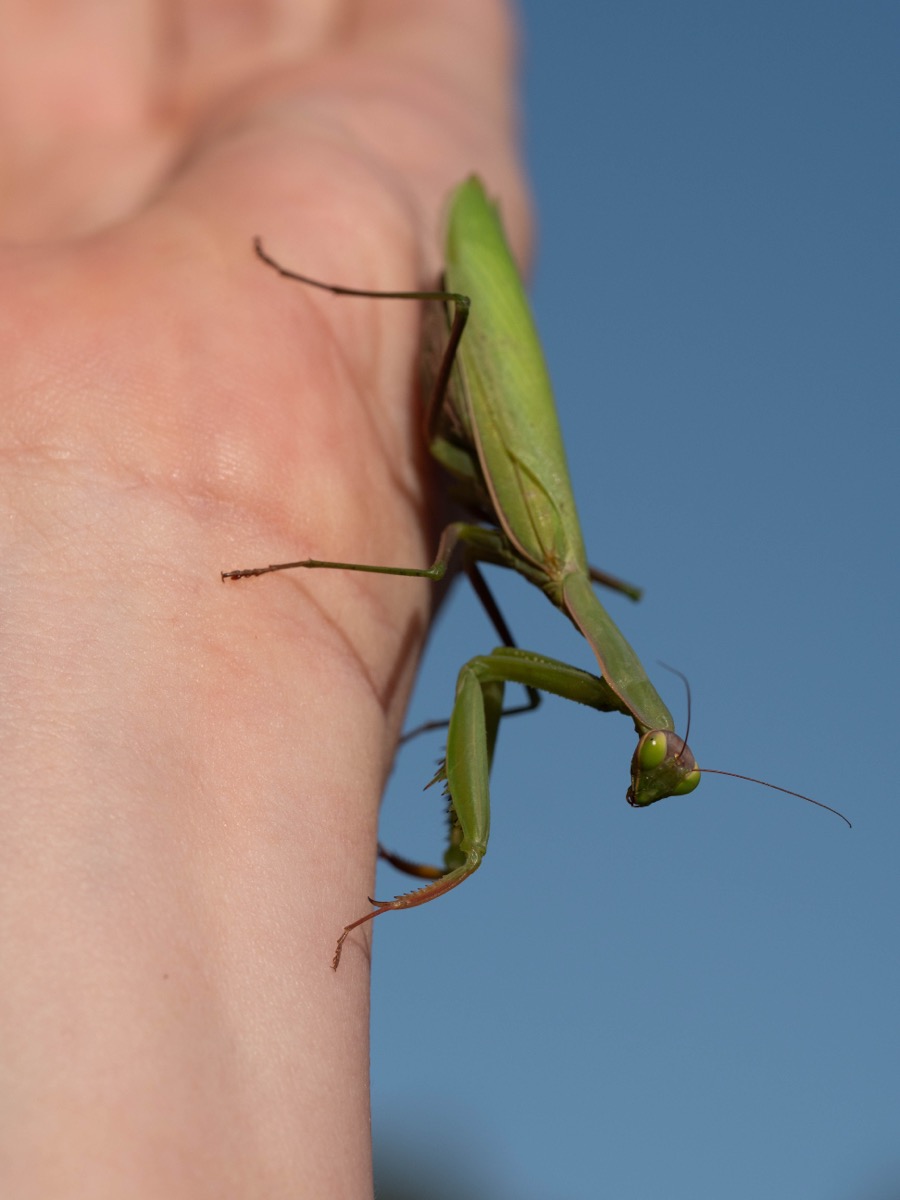
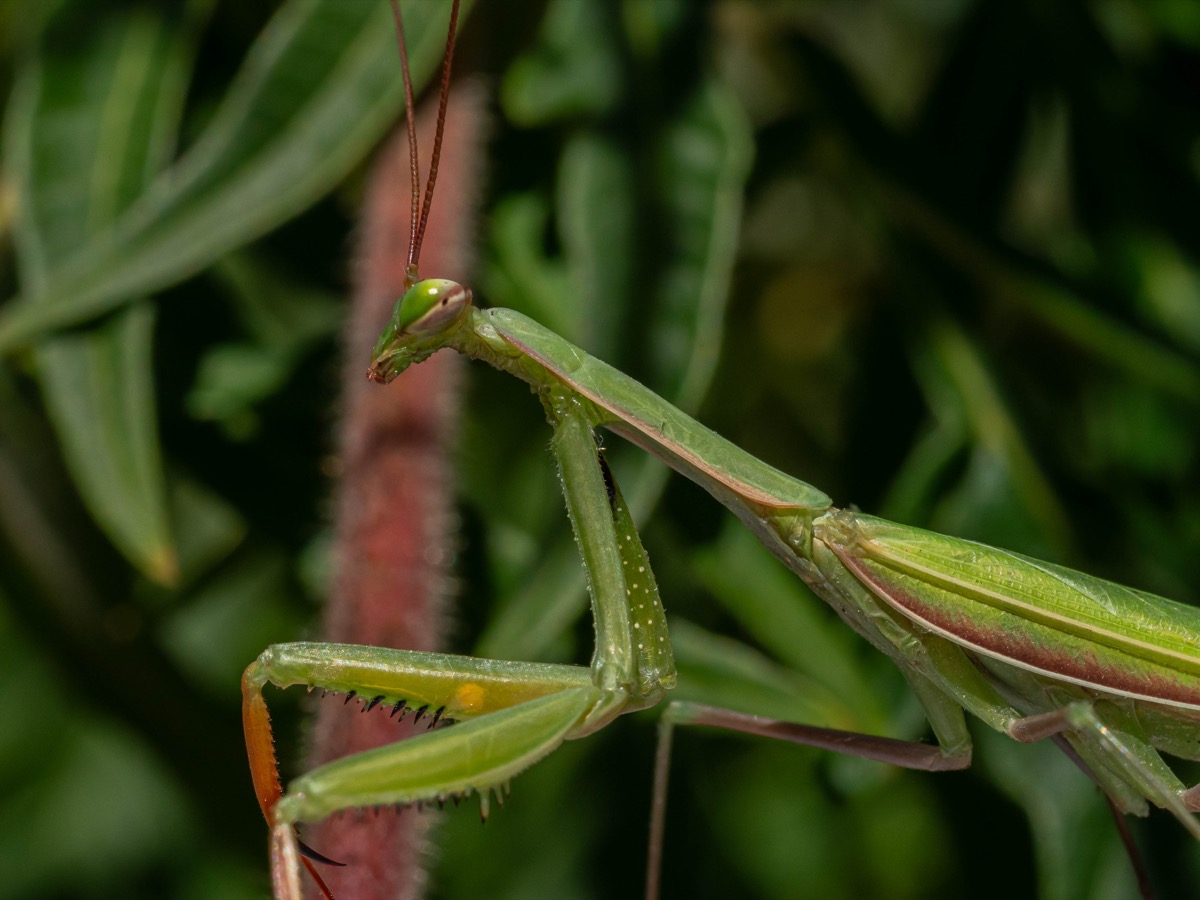
- Elongated to robust body depending on species
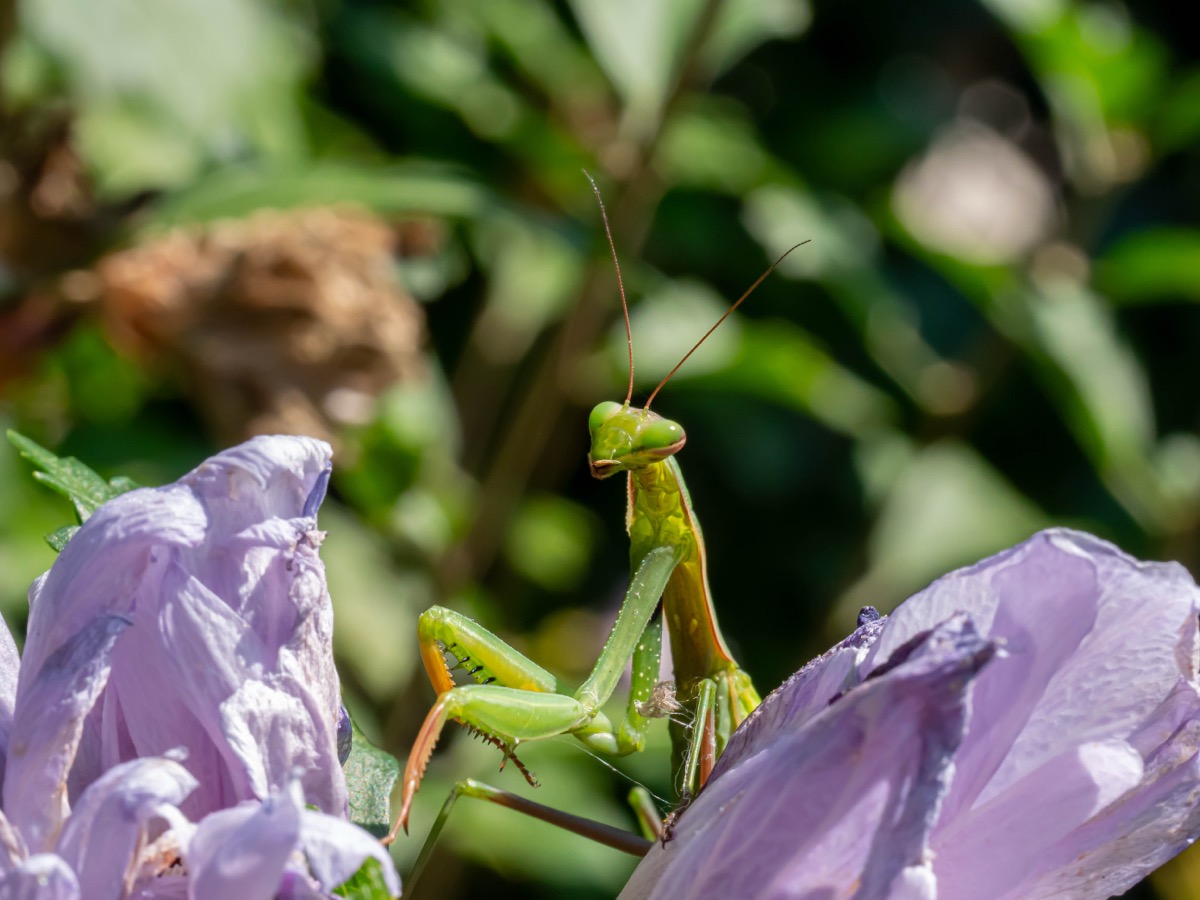
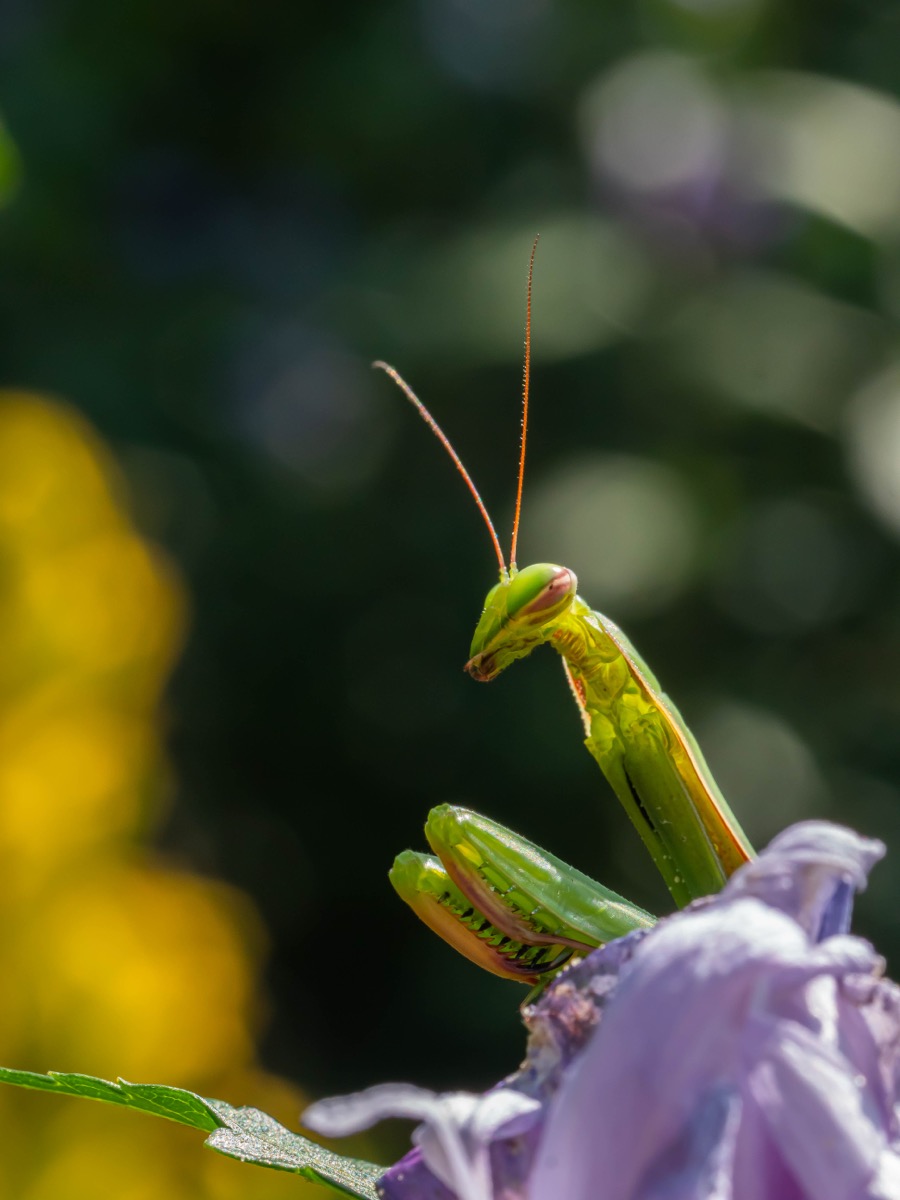
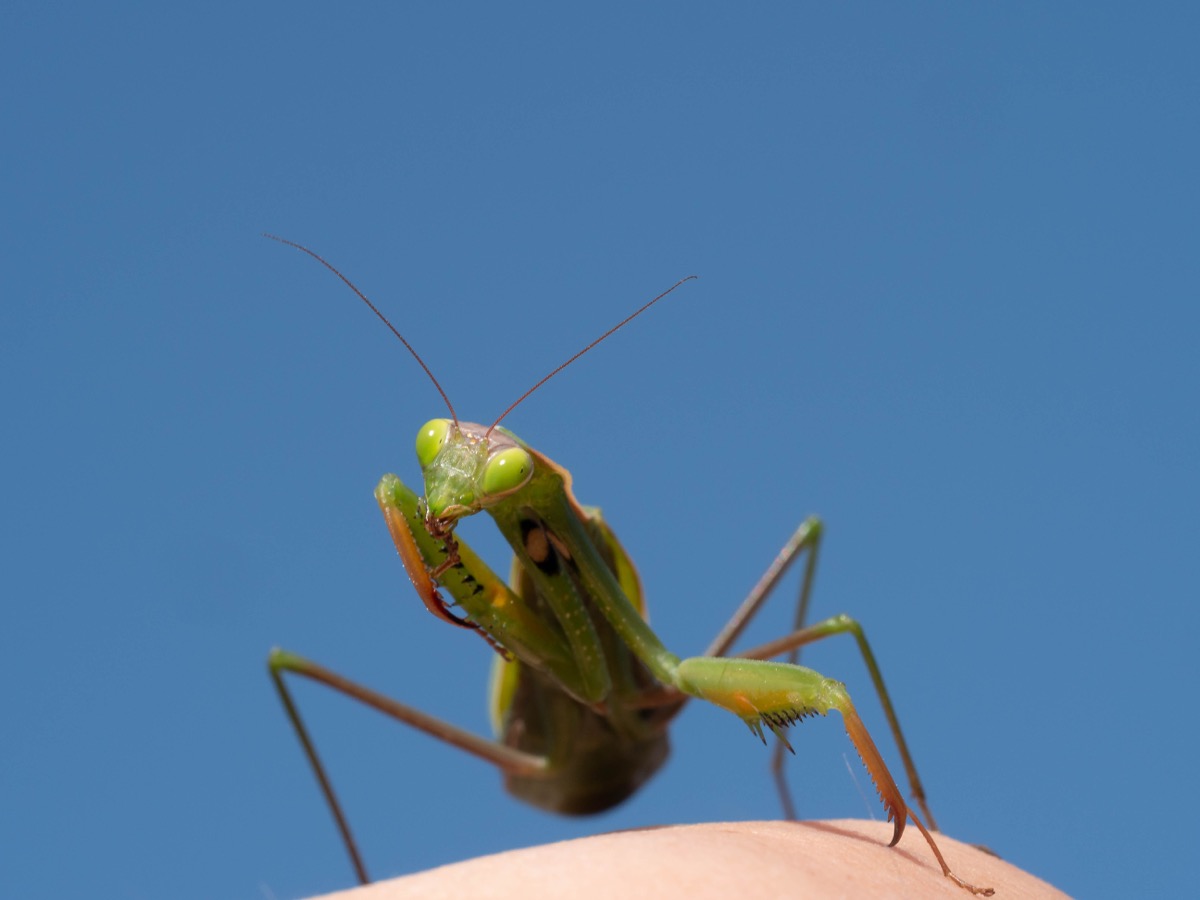
- Raptorial forelegs with strong spines
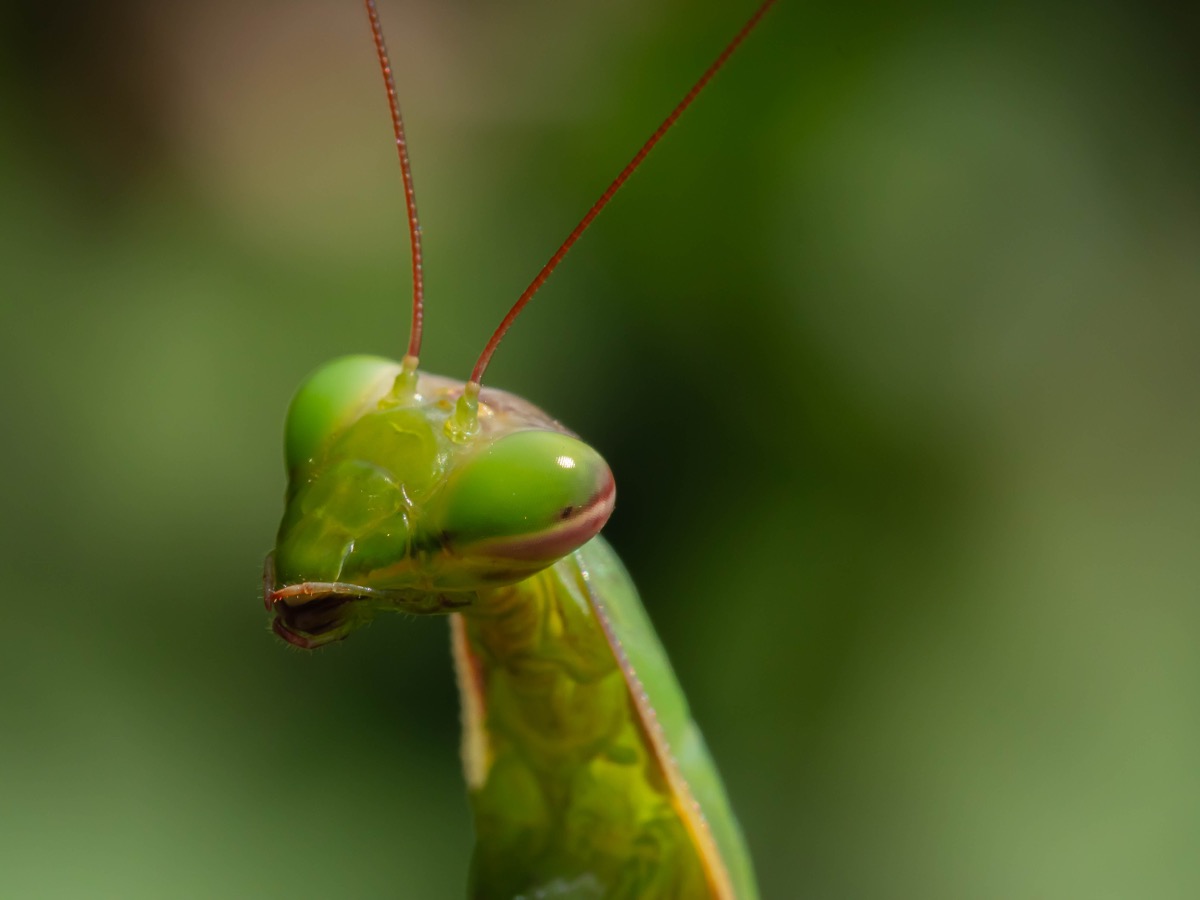
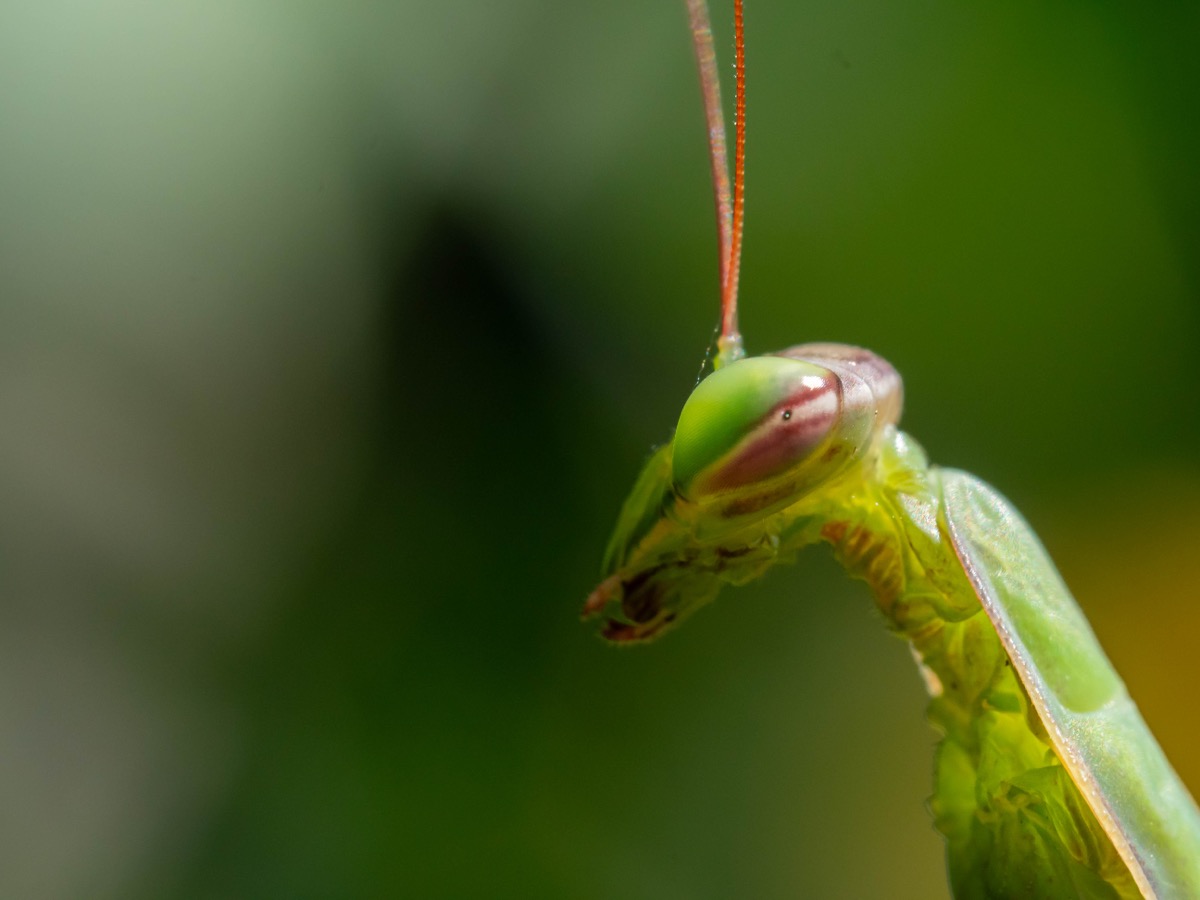
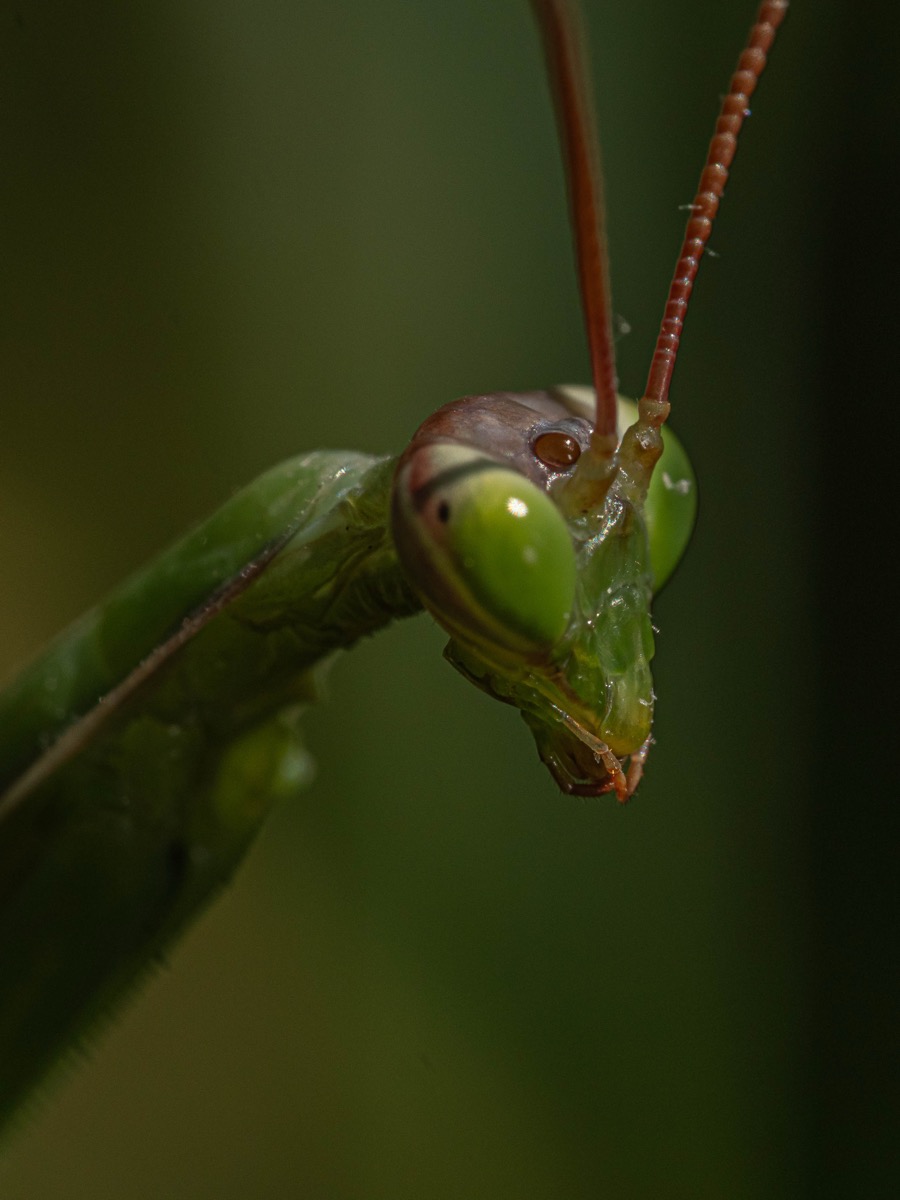
- Triangular head, mobile with large compound eyes
- Elongated thorax (especially the prothorax)
- Typically green, beige or brown for camouflage
- Well-developed wings in adults (often transparent or veined)
Habitat
Mantidae prefer:
- Dry meadows, open grasslands, scrublands
- Hedges, bushes, gardens, transitional vegetation zones
- Herbaceous or shrubby vegetation in warm and sunny areas
Biology
- Strictly predatory, ambush hunters
- Diurnal activity, often motionless while waiting
- Egg-laying via ootheca (hardened foam) on stems, stones, walls…
- Nymphs resemble adults but lack wings (hemimetabolous development)
- Mating sometimes followed by sexual cannibalism
Representative Species
- Mantis religiosa – European praying mantis, green or brown, widespread
- Iris oratoria – Mediterranean mantis, wings marked with colored spots
- Hierodula spp. – Larger tropical species, often kept in captivity
Special Features
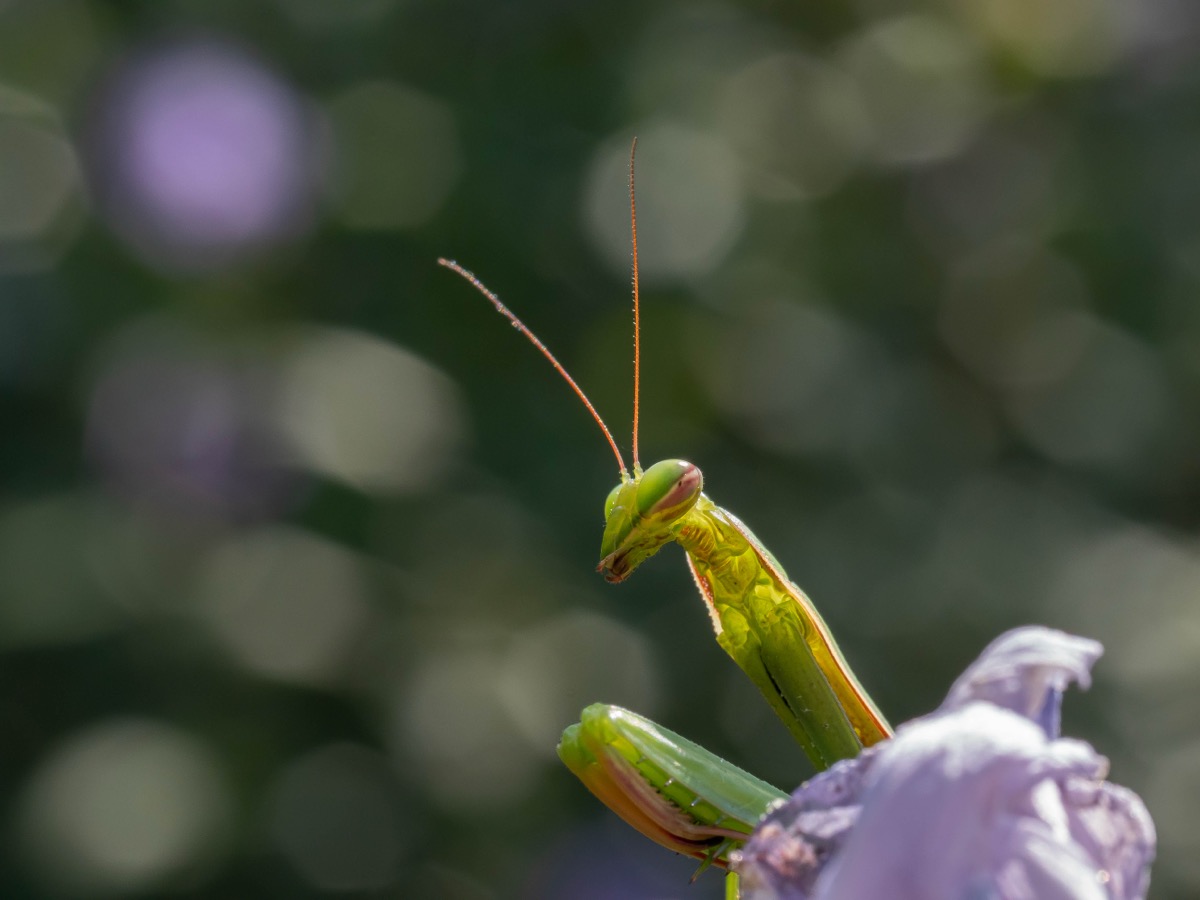
- Typical posture: forelegs folded as if in prayer
- Excellent vision and motion detection
- Exceptional camouflage in vegetation
- Slow, deliberate movements while hunting, lightning-fast strikes
Genus Mantis
Mantis religiosa
| Order | Mantodea |
| Family Mantodea | Mantidae |
| Genus | Mantis |
| Species | religiosa |
| Common name | European mantis |
| Identifier | Linnaeus |
| Year of identification | 1758 |
| IUCN Category (2001–2003) | LC (Least Concern) |
| Color | Green |
| Min size (mm) | 60 |
| Max size (mm) | 80 |
| Period start | August |
| Period end | October |
| Range | Europe, Asia, Mediterranean Basin, North Africa |