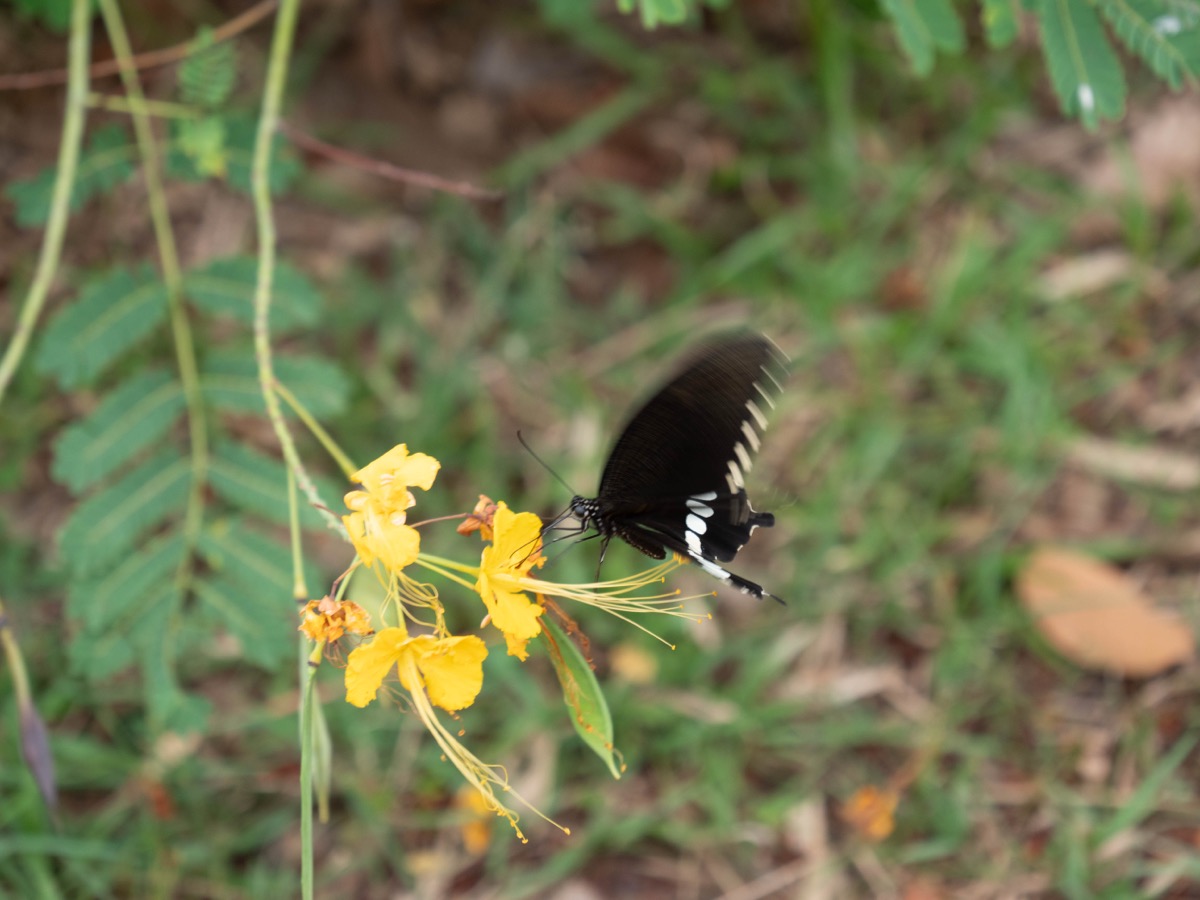
PAPILIONIDAE – THE SWALLOWTAIL BUTTERFLIES
Papilionidae – The Swallowtail Butterflies are often colorful and display distinctive wing patterns. This family includes some of the most famous and emblematic butterfly species, such as the tiger swallowtail and the Old World swallowtail.
Papilionidae generally have a relatively large wingspan and are known for their graceful, gliding flight. The caterpillars of some species feed on specific plants and may have defensive features, such as the urticating hairs of the swallowtail caterpillar.
Papilionidae have a worldwide distribution and play an important role as pollinators in many ecosystems.
Characteristics
- Large butterflies (50–100 mm wingspan or more)
- Forewings elongated; hindwings often with filiform tails
- Contrasting colors: yellow, black, blue, green, often with iridescence or eyespots
- Strong, expansive flight, sometimes gliding
- Well-developed proboscis, nectar-feeding
Habitat
Papilionidae frequent:
- Flower-rich meadows, scrublands, orchards, wastelands, dry grasslands
- Open, sunny areas often at altitude or in warm climates
- Hedges, path edges, sunny slopes, traditional crops
Biology
- Eggs laid singly on specific host plants
- Stout caterpillars, often mimetic (bird droppings, miniature snakes)
- Possess an osmeterium, an orange reversible gland used for defense
- Pupation in a naked chrysalis, attached to a support by a silken girdle around the thorax
- One or two generations per year (more in tropical climates)
Genera and Iconic Species
- Papilio machaon – Old World Swallowtail: yellow and black, tailed wings, caterpillar on fennel, carrot, dill
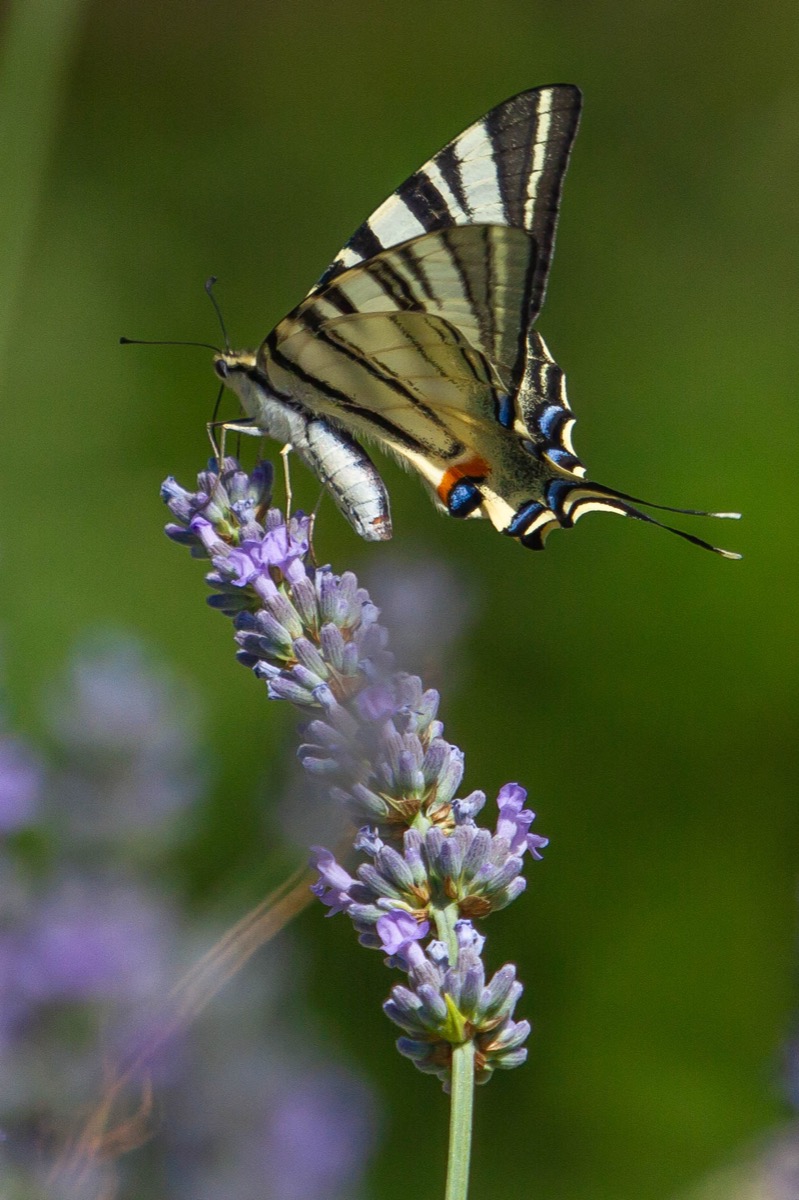
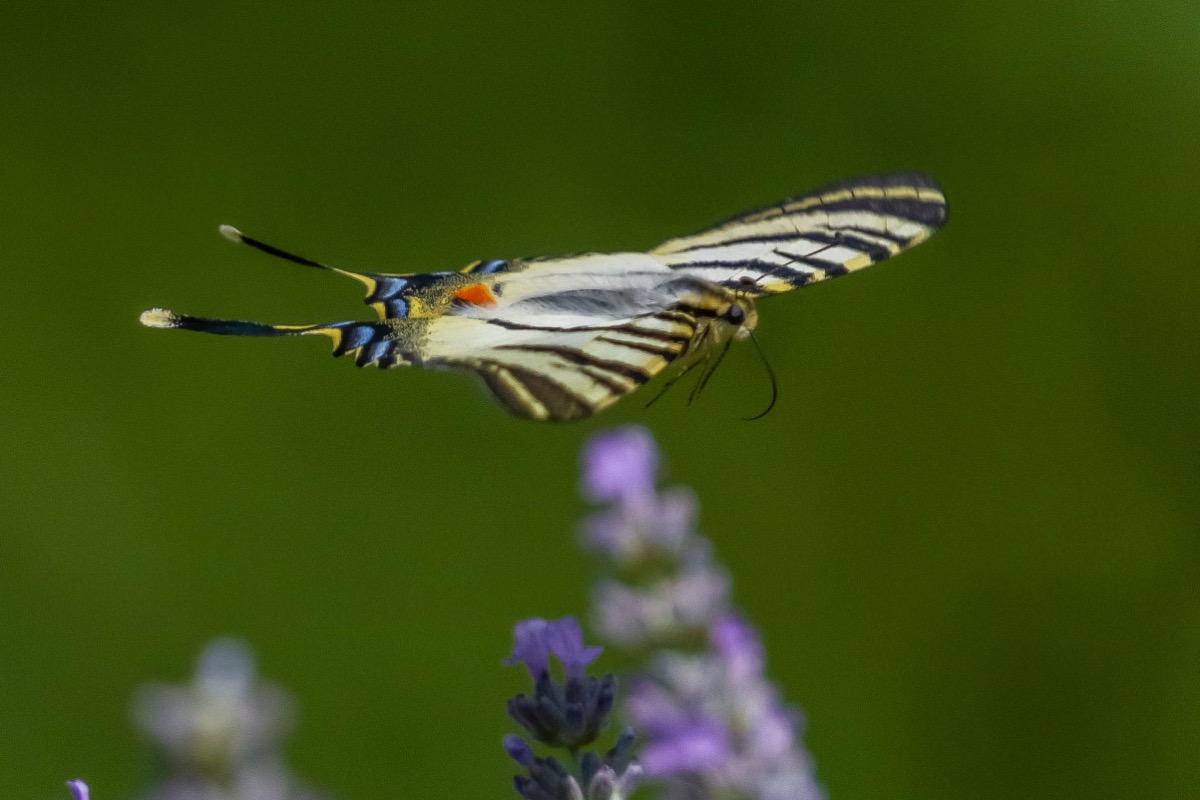
- Iphiclides podalirius – Scarce Swallowtail: pale wings with black veins, long tails, found in dry habitats
- Zerynthia polyxena – Southern Festoon: southern butterfly localized on birthworts
- Pachliopta, Graphium, Troides, Ornithoptera – Spectacular tropical genera (Asia, South America, Oceania)
Particularities
- Excellent indicator species for open habitats rich in specific flora
- Some species protected or declining in certain regions
- Tropical genera include some of the largest butterflies in the world
- Caterpillars are easily identifiable and often reared for educational purposes
Genus Graphium
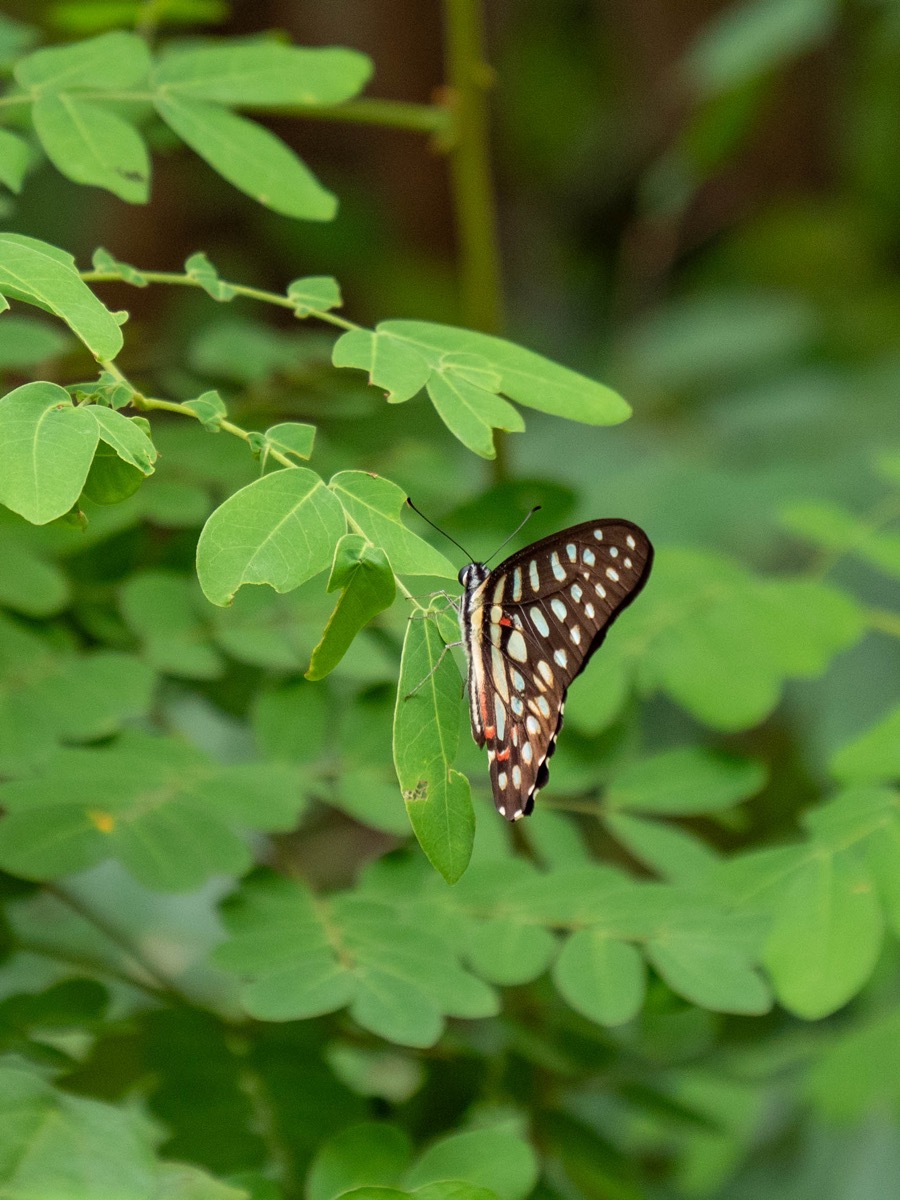
Graphium arycles
| Order | Lepidoptera |
| Family | Papilionidae |
| Genus | Graphium |
| Species | arycles |
| Common name | |
| Authority | Boisduval |
| Year described | 1836 |
| IUCN Status | Not Evaluated |
| Color | varied |
| Minimum size (mm) | 50 |
| Maximum size (mm) | 60 |
| Range | Asia |
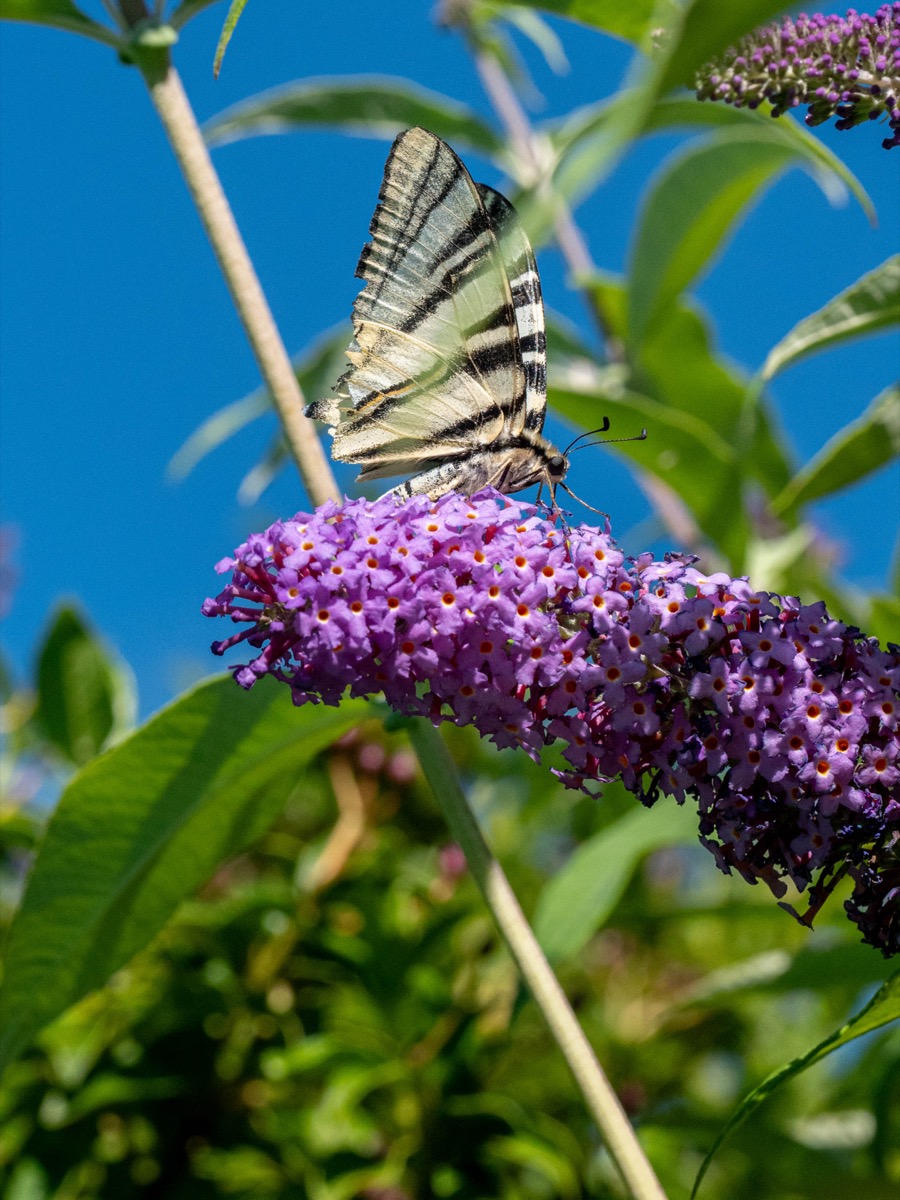
Genus Iphiclides
Iphiclides podalirius – Scarce Swallowtail
| Order | Lepidoptera |
| Family | Papilionidae |
| Genus | Iphiclides |
| Species | Podalirius |
| Common name | Scarce Swallowtail |
| Authority | Linnaeus |
| Year described | 1758 |
| Protected | No |
| IUCN Status | LC (Least Concern) |
| Color | pale white-yellow / six black stripes / blue marginal lunules |
| Activity | |
| Minimum size (mm) | 50 |
| Maximum size (mm) | 70 |
| Range | Europe, Asia |
Genus Pachliopta
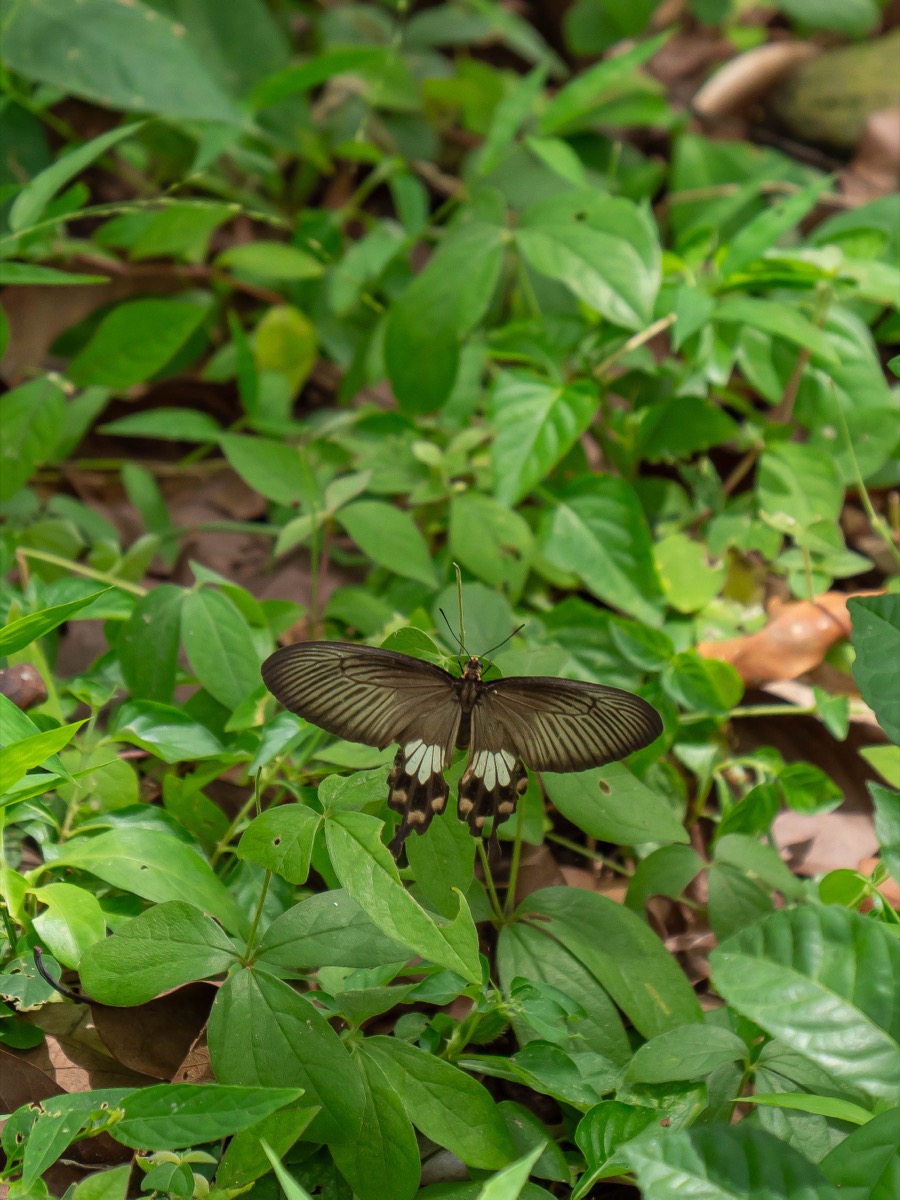
Pachliopta aristolochiae – Common Rose
| Order | Lepidoptera |
| Family | Papilionidae |
| Genus | Pachliopta |
| Species | Aristolochiae |
| Common name | Common Rose |
| Authority | Fabricius |
| Year described | 1775 |
| Protected | No |
| IUCN Status | LC (Least Concern) |
| Color | black with white spots |
| Activity | |
| Minimum size (mm) | 80 |
| Maximum size (mm) | 110 |
| Range | South Asia |
Genus Papilio
Papilio polytes – Common Mormon
| Order | Lepidoptera |
| Family | Papilionidae |
| Genus | Papilio |
| Species | Polytes |
| Common name | Common Mormon or Mormon Swallowtail |
| Authority | Linnaeus |
| Year described | 1758 |
| Protected | No |
| IUCN Status | LC (Least Concern) |
| Color | black with white spots |
| Activity | Diurnal |
| Minimum size (mm) | 70 |
| Maximum size (mm) | 110 |
| Range | Asia |
Image introuvable : macrophotographie/lepidoptera/papilionidae/papilio_polytes_01.jpg