LYCAENIDAE – THE LYCAENIDS
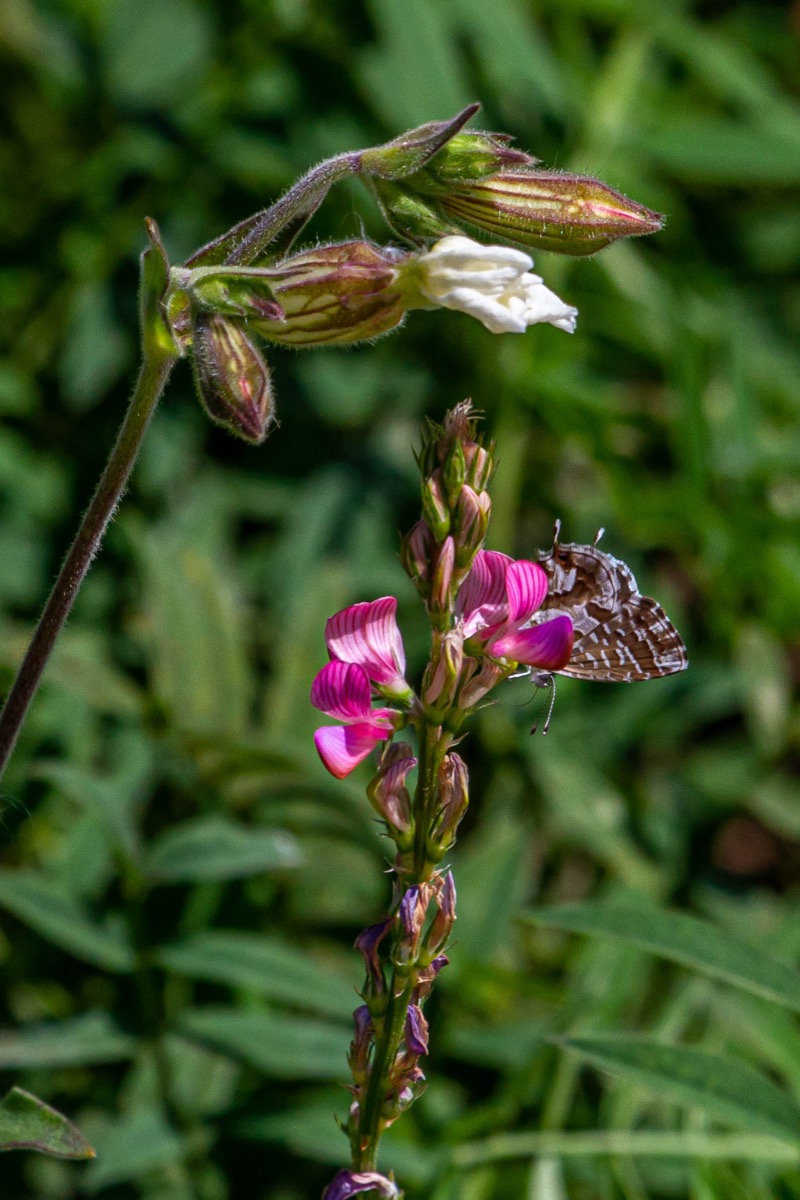
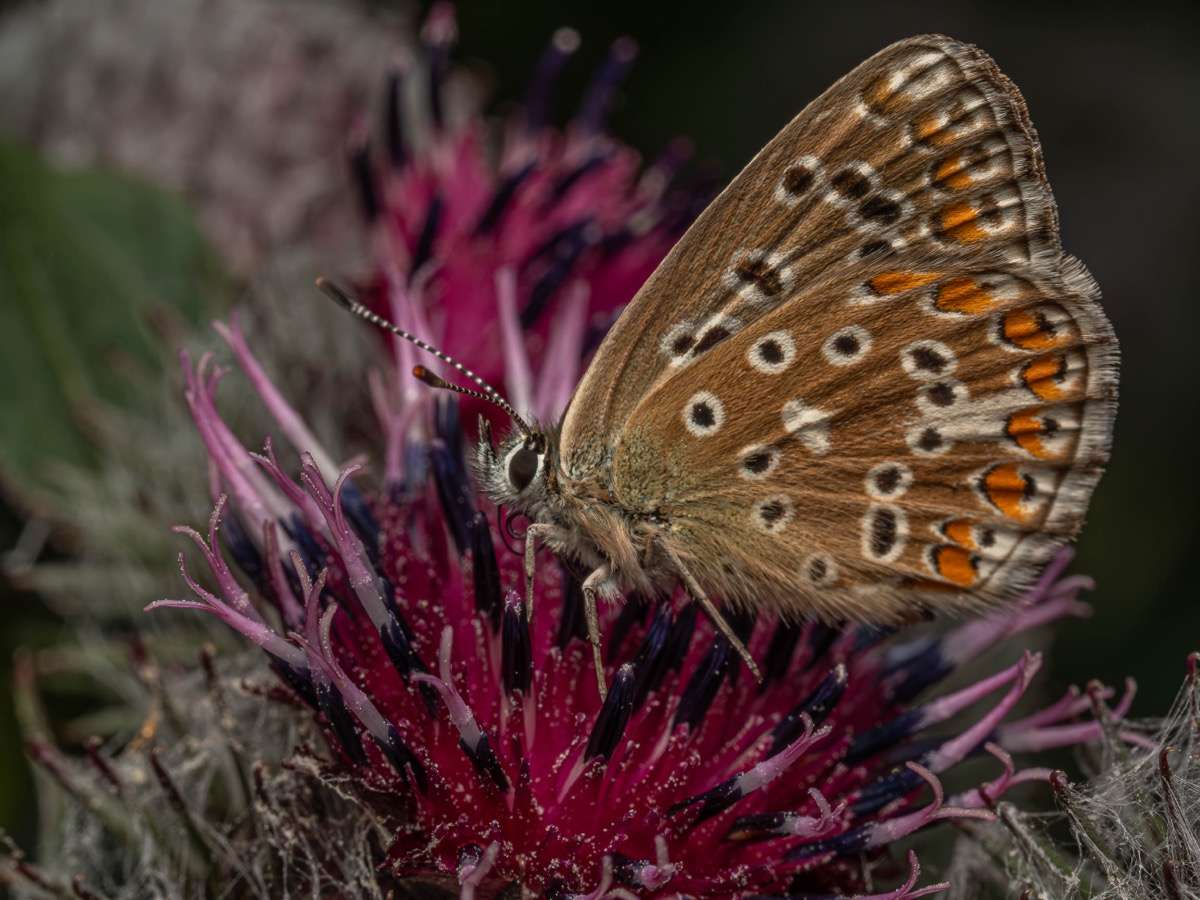
The Lycaenidae – The Lycaenids – are characterized by their small size and vivid colors. This family includes many species with often iridescent wings and delicate patterns. Lycaenids are known for their symbiotic relationships with ants, where the caterpillars secrete sweet substances to receive protection. Some species even use ant colonies as shelter or food sources.

Lycaenid caterpillars feed on a wide range of host plants. The Lycaenidae are widespread around the world and occupy a great variety of habitats, from forests and meadows to coastal zones.


Characteristics

  • Small butterflies (20–35 mm wingspan)
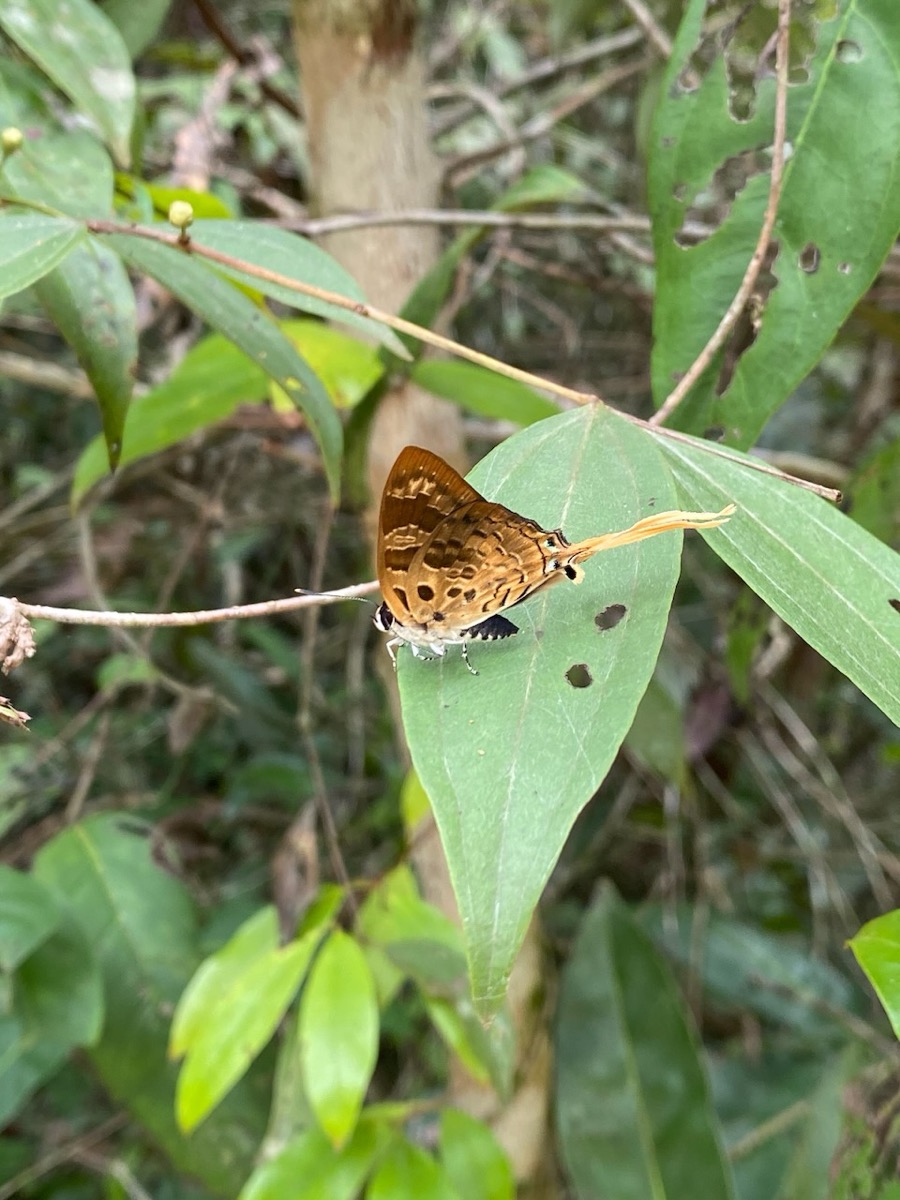
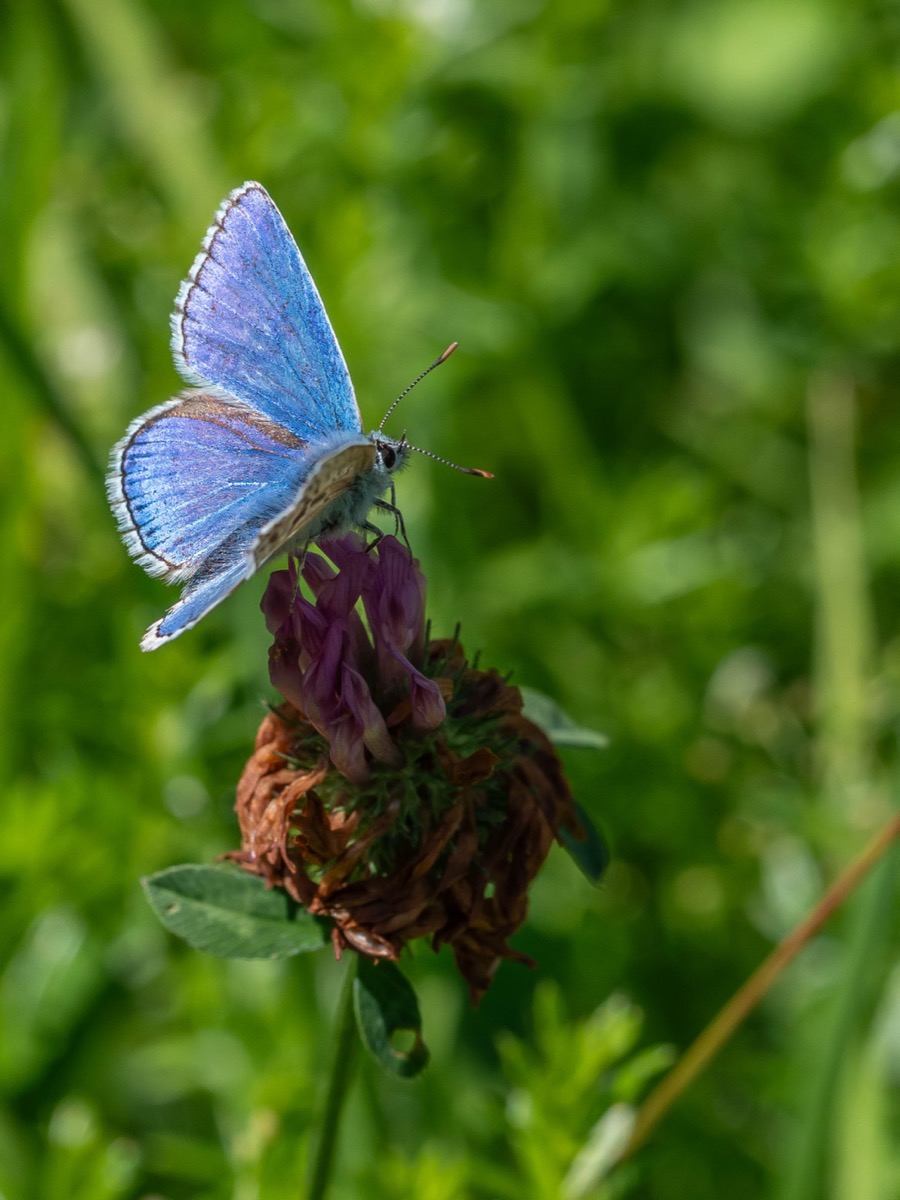
  • Wings often blue, copper or brown, sometimes with tail-like extensions
  • Frequent sexual dimorphism: males often more brightly colored
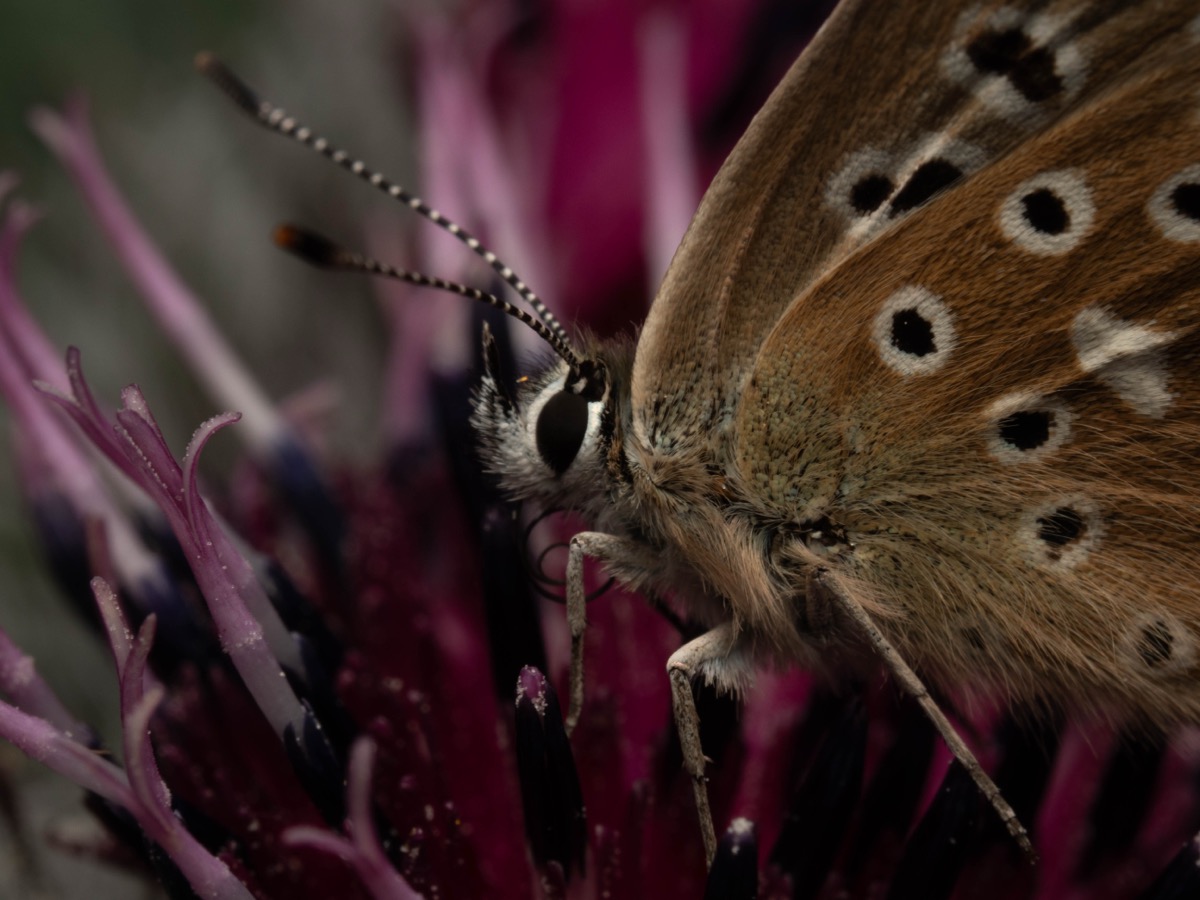
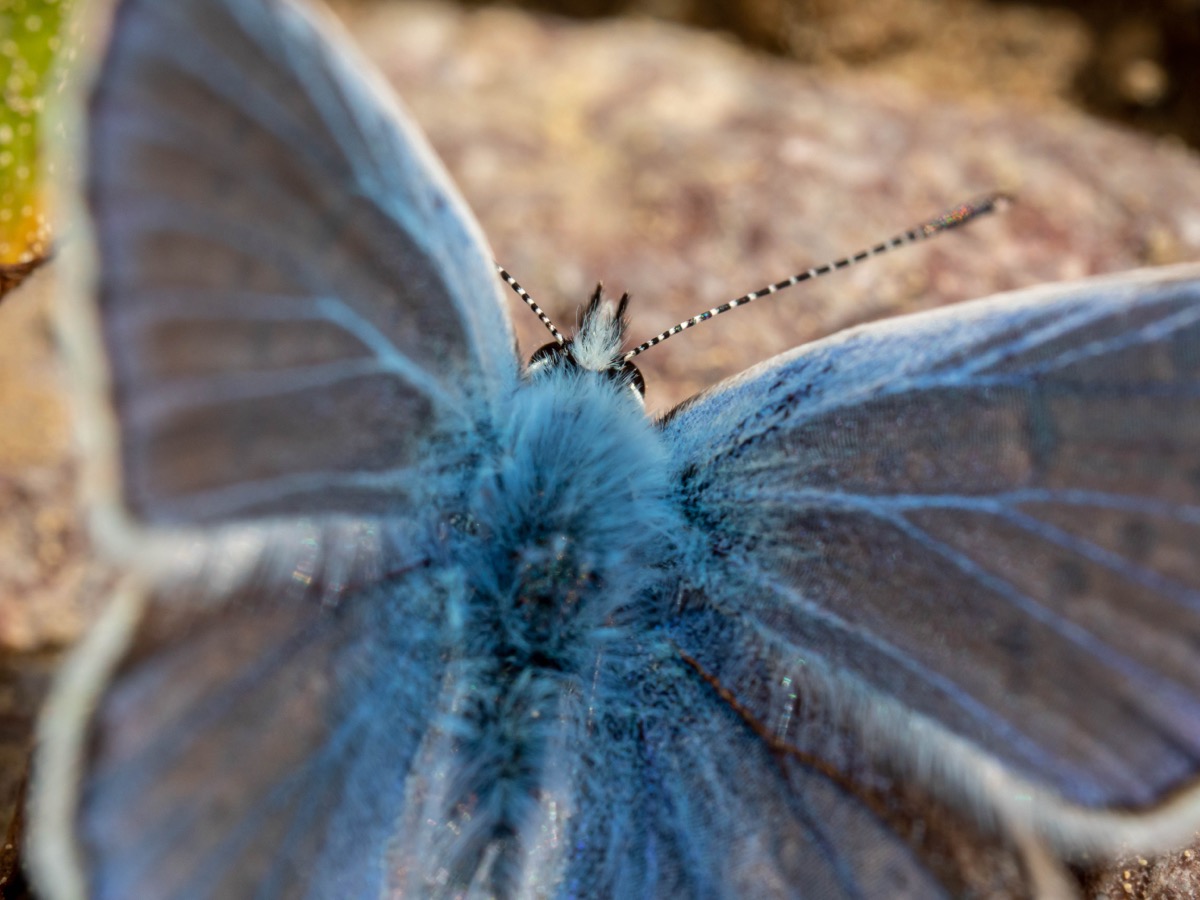
  • Thin, clubbed antennae; quick, low and fluttery flight
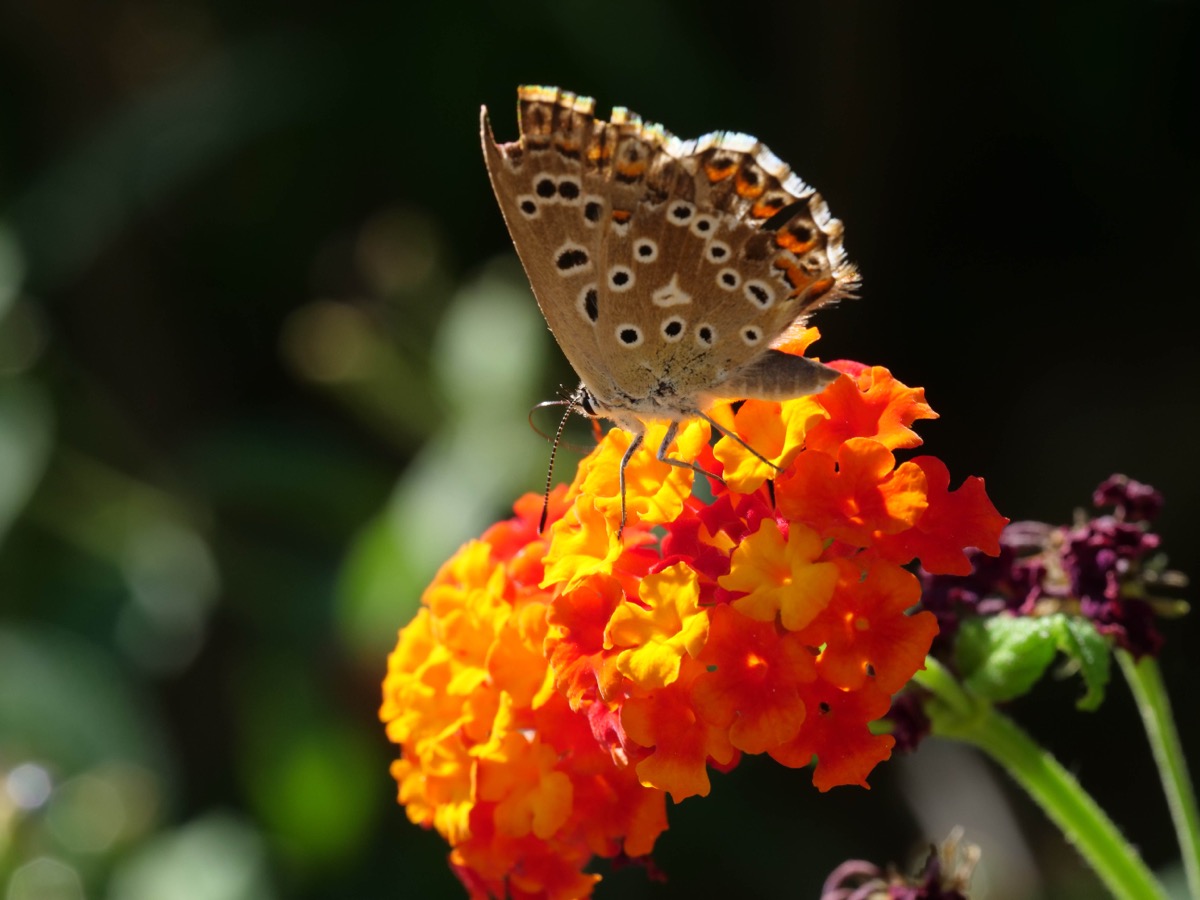
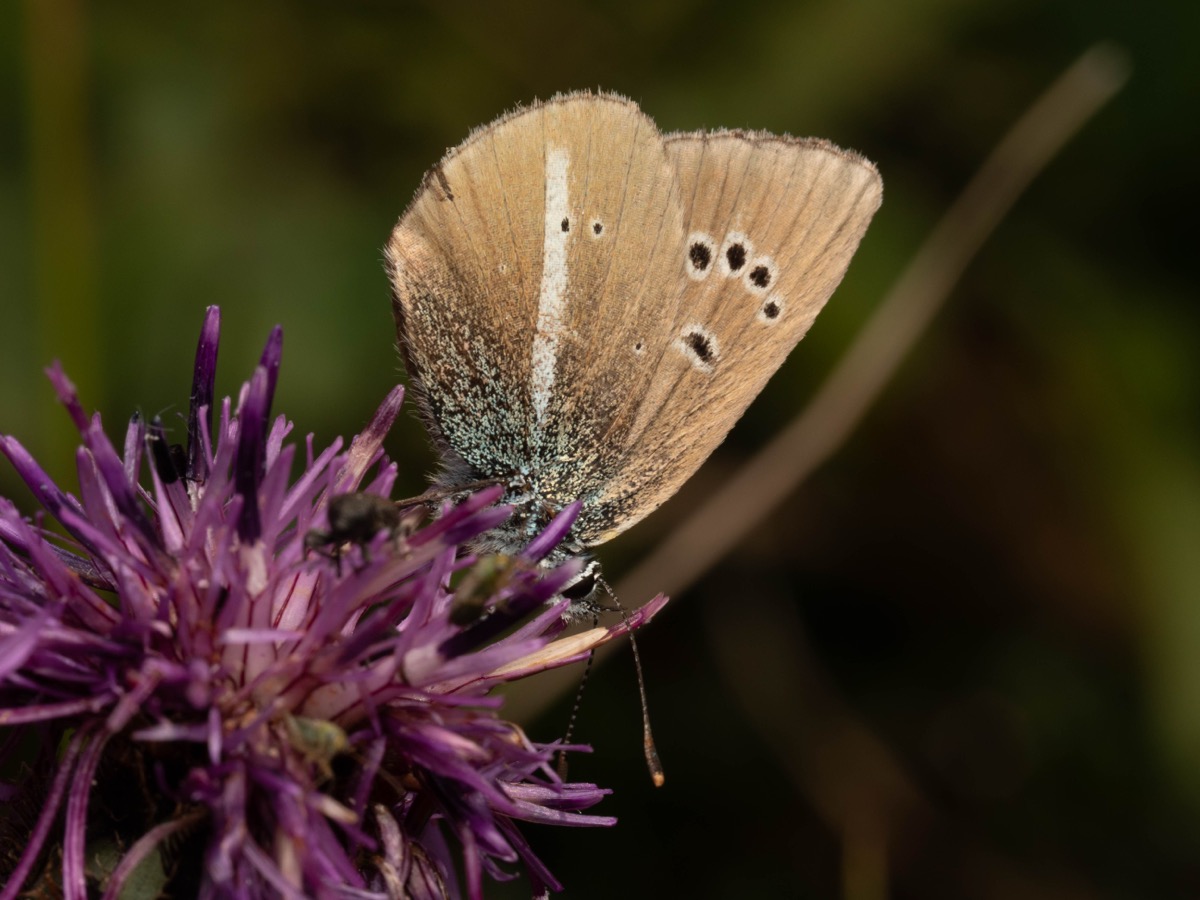
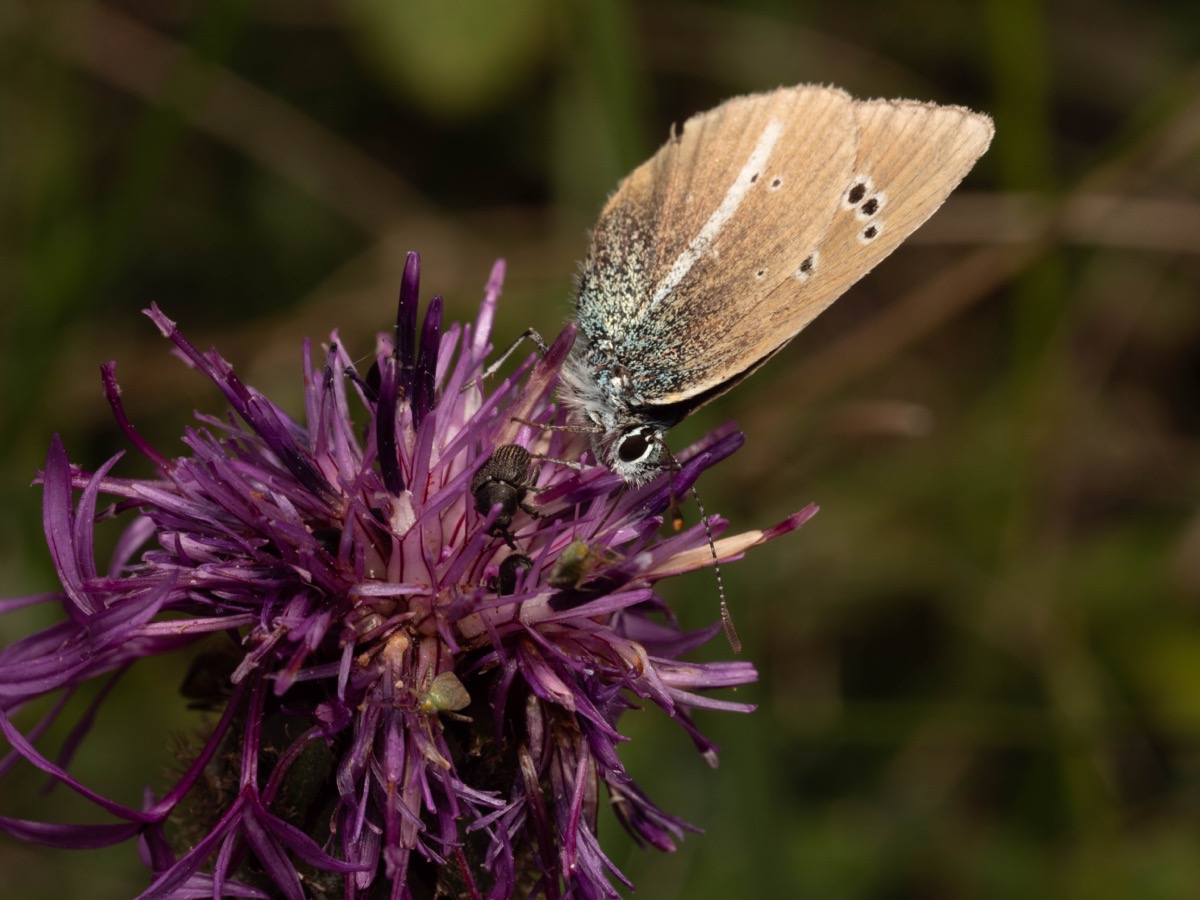
  • Resting posture: wings closed, showing colorful undersides

Habitat

Lycaenidae are found in:

  • Dry grasslands, flowery meadows, fallow land, heath
  • Edges, clearings, roadside verges
  • Legume-rich habitats: clovers, vetches, stonecrops, brambles, etc.
  • From sea level to high alpine zones

Biology

  • Eggs laid singly on specific host plants
  • Small, plump caterpillars, often mimicking buds
  • Many species are myrmecophilous: mutualistic or parasitic interactions with ants
  • Pupation near ground level or under litter
  • One or two generations per year, sometimes more in warmer regions

Common subfamilies and genera

  • PolyommatinaePolyommatus icarus, Celastrina, Cupido, Aricia (blues)
  • LycaeninaeLycaena phlaeas, L. tityrus (coppers)
  • TheclinaeSatyrium, Callophrys (hairstreaks with tails and mimic patterns)
  • Curetinae, Miletinae – Exotic or tropical groups

Representative species

  • Polyommatus icarus – Common Blue: blue male, brown female with eye spots
  • Lycaena phlaeas – Small Copper: copper wings bordered with black
  • Callophrys rubi – Green Hairstreak: vivid green underside, cryptic
  • Satyrium ilicis, Aricia agestis, Cupido minimus – Small local species

Special features

  • Sensitive bioindicators of grassland structure, floral diversity and farming practices
  • Complex relationships with ants, sometimes essential for larval survival
  • Often localized species, with restricted distribution
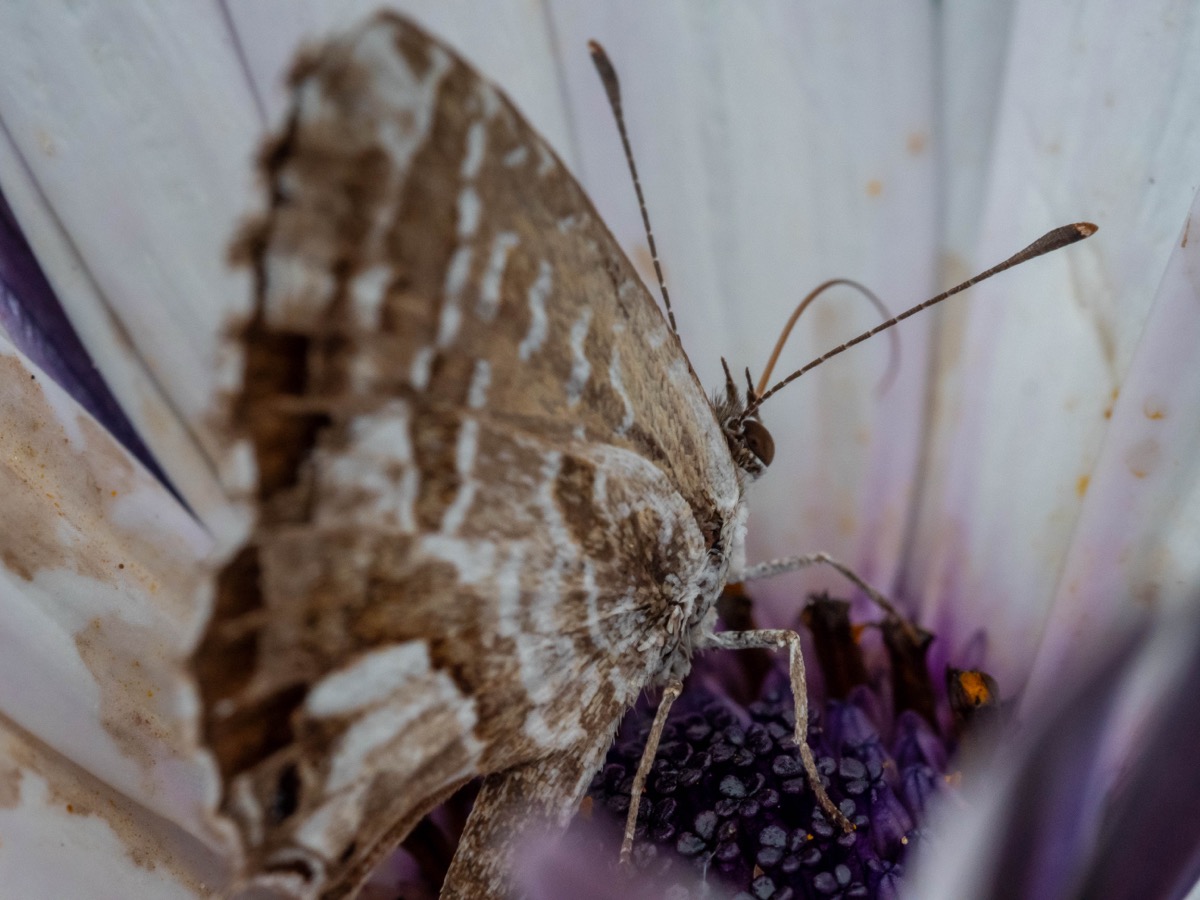
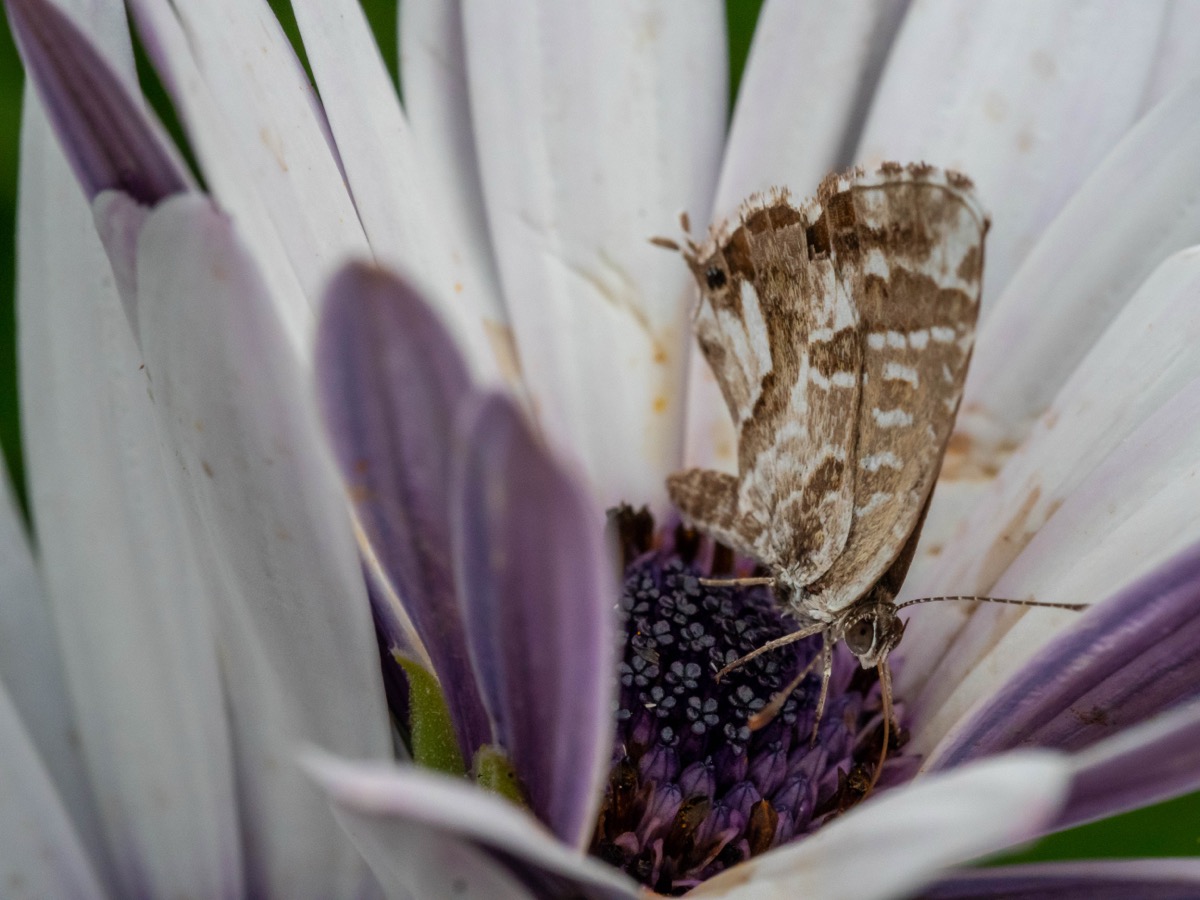
  • Identification sometimes difficult: requires examination of wing undersides and genitalia


Genus Bindahara

Bindahara phocides

Order Lepidoptera
Family Lycaenidae
Genus Bindahara
Species phocides
Common name
Authority
Year described
IUCN status (2001–2003)
Color
Min size
Max size
Region

Genus Cacyreus

Cacyreus marshalli – Geranium Bronze

Order Lepidoptera
Family Lycaenidae
Genus Cacyreus
Species marshalli
Common name Geranium Bronze
Authority Butler
Year described 1898
IUCN status (2001–2003) Not listed
Color brown – white fringe
Min size 15
Max size 27
Region Europe, South Africa

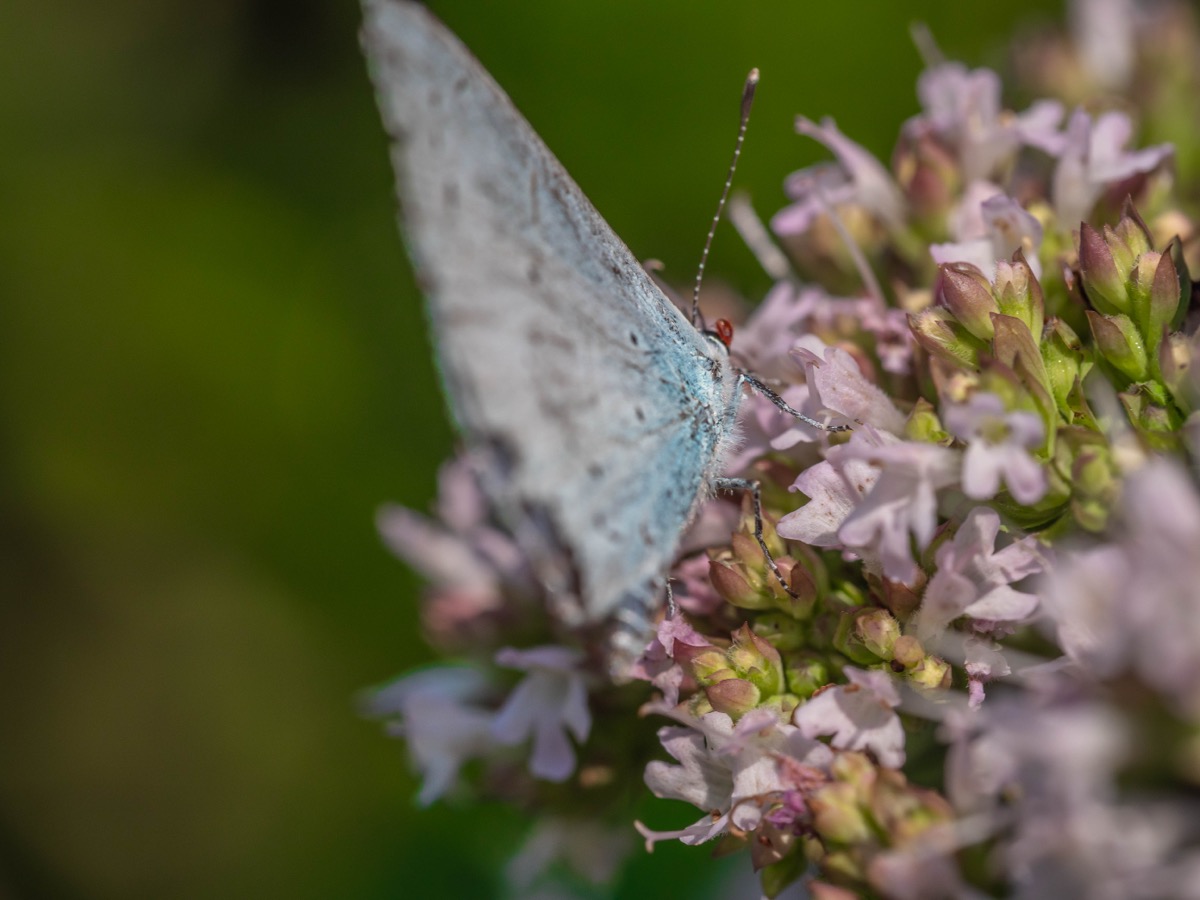
Genus Celastrina

Celastrina argiolus – Holly Blue

Order Lepidoptera
Family Lycaenidae
Genus Celastrina
Species argiolus
Common name Holly Blue
Authority Linnaeus
Year described 1758
IUCN status (2001–2003) LC (Least Concern)
Color blue with grey-black border
Min size 12
Max size 18
Region Europe

Genus Eumedonia

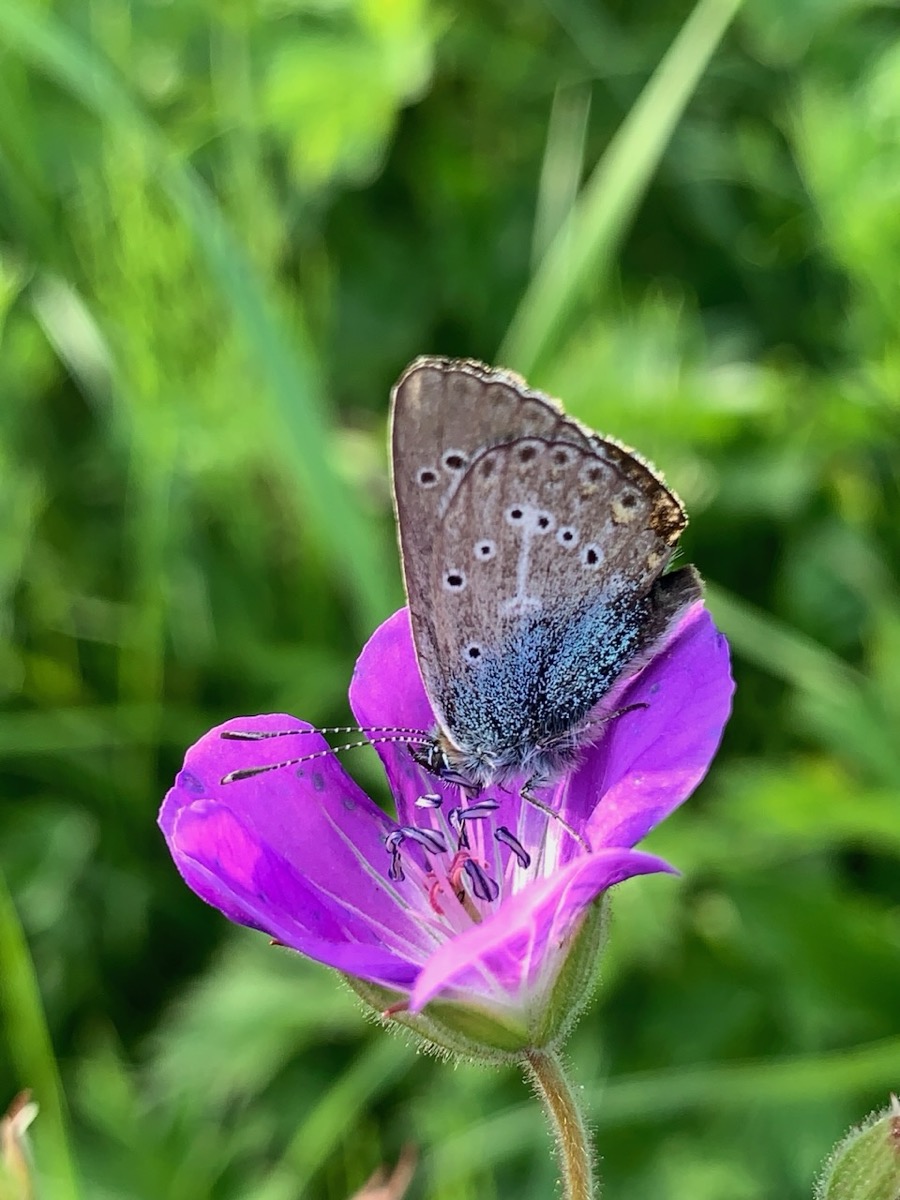
Eumedonia eumedon – Geranium Argus

Order Lepidoptera
Family Lycaenidae
Genus Eumedonia
Species eumedon
Common name Geranium Argus
Authority Esper
Year described 1780
IUCN status (2001–2003) LC (Least Concern)
Color grey with white fringe (male) / brown with orange submarginal spots (female)
Min size 11
Max size 13
Region Europe, Asia

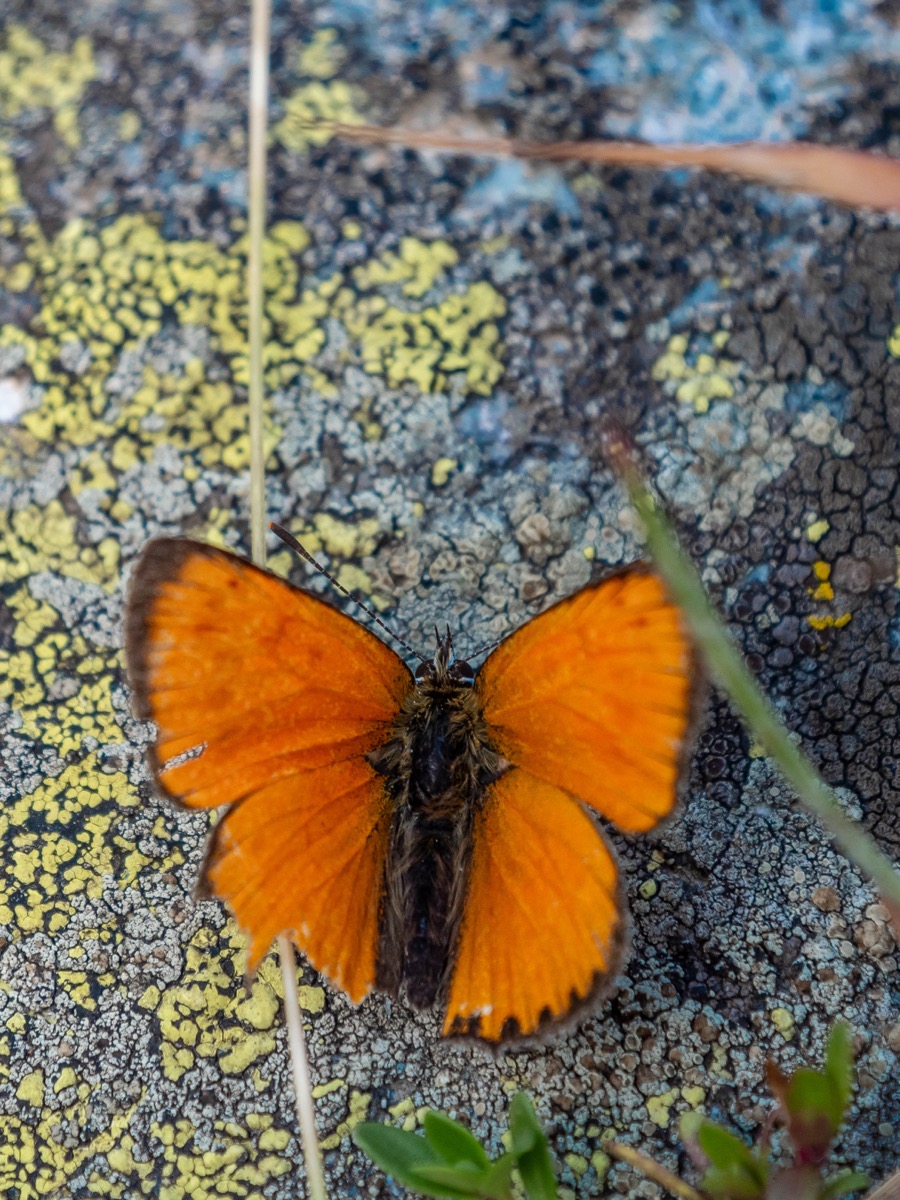
Genus Lycaena

Lycaena virgaureae – Scarce Copper

Order Lepidoptera
Family Lycaenidae
Genus Lycaena
Species virgaureae
Common name Scarce Copper
Authority Linnaeus
Year described 1758
IUCN status (2001–2003) NT (Near Threatened)
Color copper bordered with brown (male) /
Min size 15
Max size 17
Region Europe, Asia

Genus Polyommatus

Polyommatus bellargus – Adonis Blue

Order Lepidoptera
Family Lycaenidae
Genus Polyommatus (Lysandra)
Species bellargus
Common name Adonis Blue
Authority Rottemburg
Year described 1775
IUCN status (2001–2003) LC (Least Concern)
Color intense sky blue (male) / brown with orange lunules (female)
Min size 30
Max size 35
Region Europe

Polyommatus damon – Damon Blue

Order Lepidoptera
Family Lycaenidae
Genus Polyommatus
Species damon
Common name Damon Blue
Authority Denis and Schiffermüller
Year described 1775
IUCN status (2001–2003) VU (Vulnerable)
Color blue with broad grey border (male) / brown (female) / white fringe
Min size 13
Max size 18
Region Europe, Asia