SPHINGIDAE – HAWK MOTHS
The Sphingidae – Hawk Moths are known for their rapid and agile flight as well as their long proboscis, which allows them to feed in flight. Caterpillars of some species are robust and found in various habitats, feeding on a wide range of host plants. Some family members are important pollinators, especially for night-blooming flowers.

Sphingidae are widespread across the globe and are often appreciated for their striking appearance and distinctive flight behavior.


Characteristics

  • Medium to large moths, streamlined body and narrow wings
  • Rapid flight, powerful, sometimes hovering
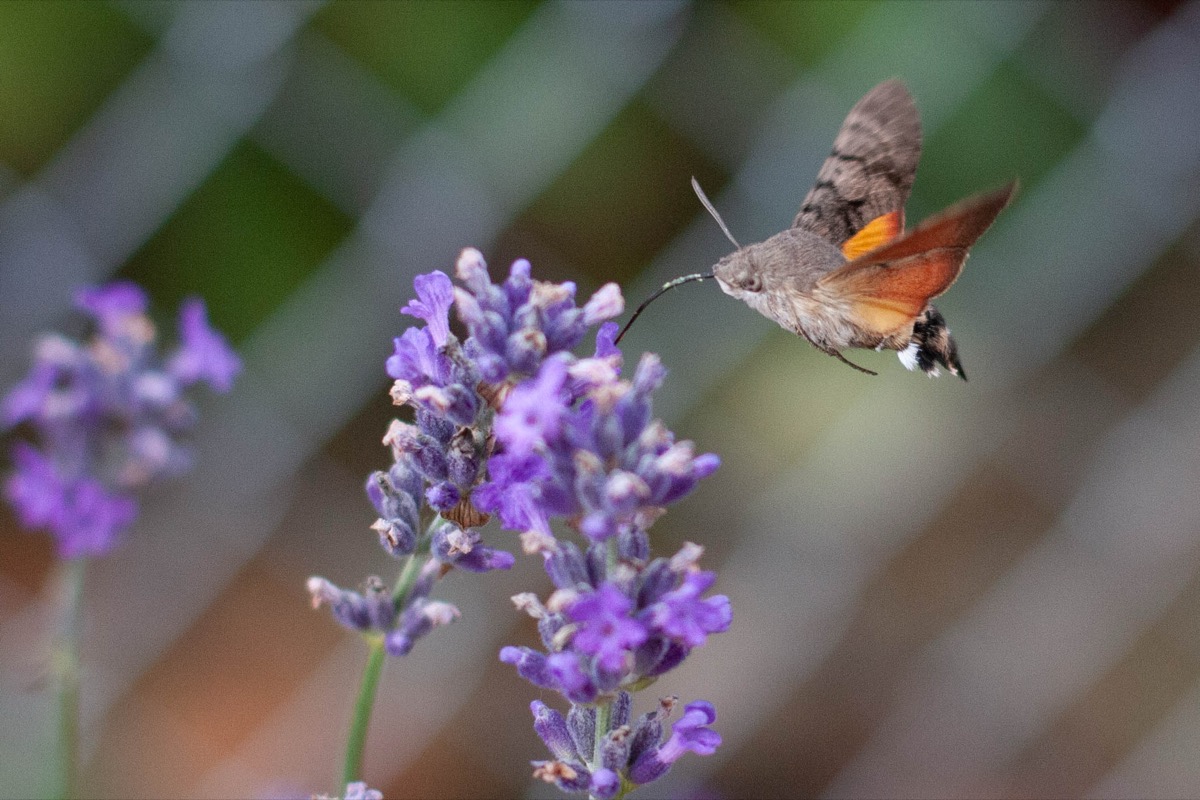
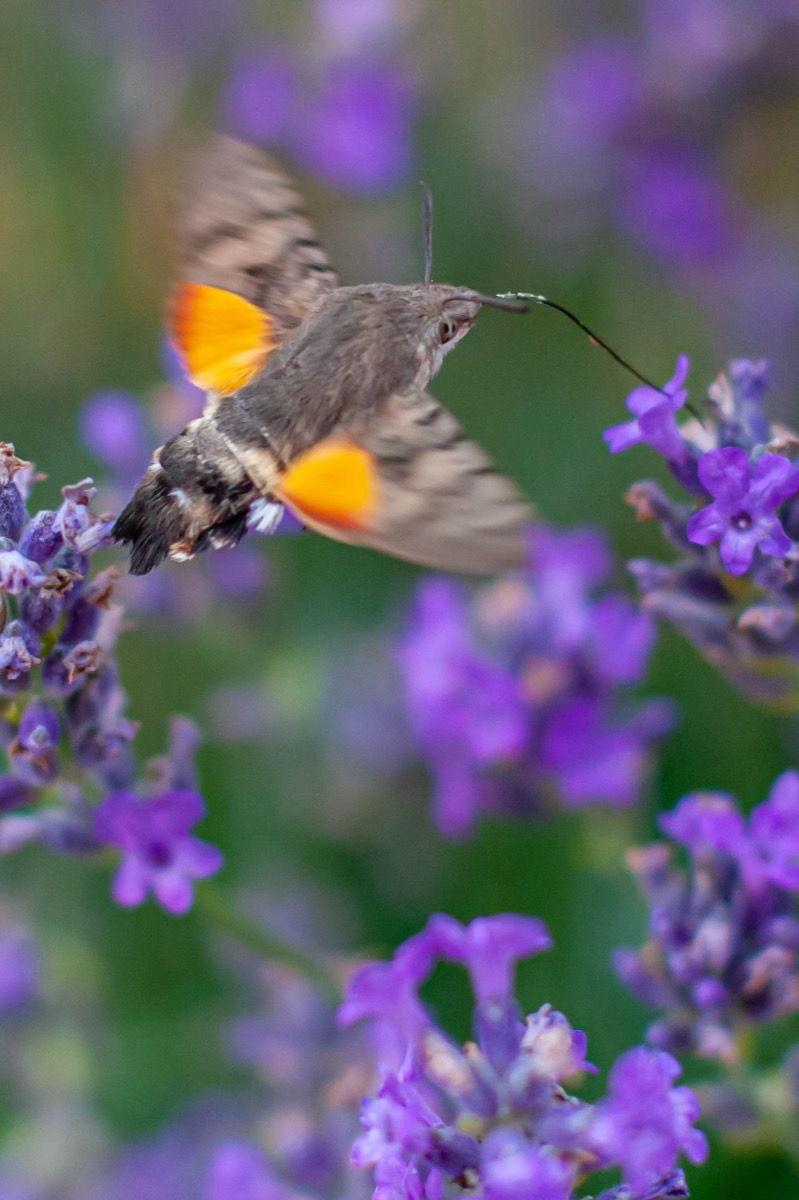
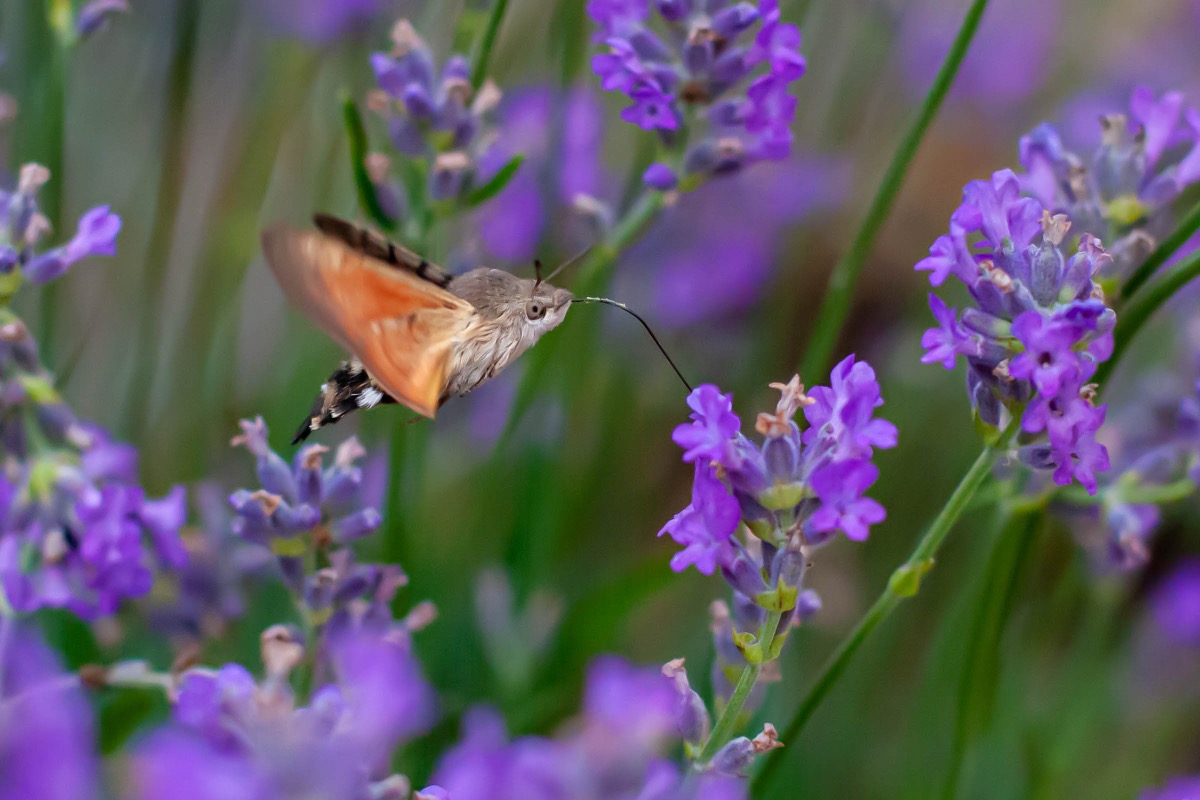
  • Very long proboscis (sometimes longer than body), adapted to tubular flowers
  • Often colorful wings: shades of brown, green, pink, orange
  • Crepuscular, nocturnal or sometimes diurnal activity

Habitat

Sphingidae can be found in:

  • Woodland edges, clearings, hedgerows, flower gardens
  • Garrigue, Mediterranean zones, orchards
  • Tropical areas rich in nectar-producing flowers
  • Open, wooded, or semi-urban habitats

Biology

  • Eggs laid on a specific host plant
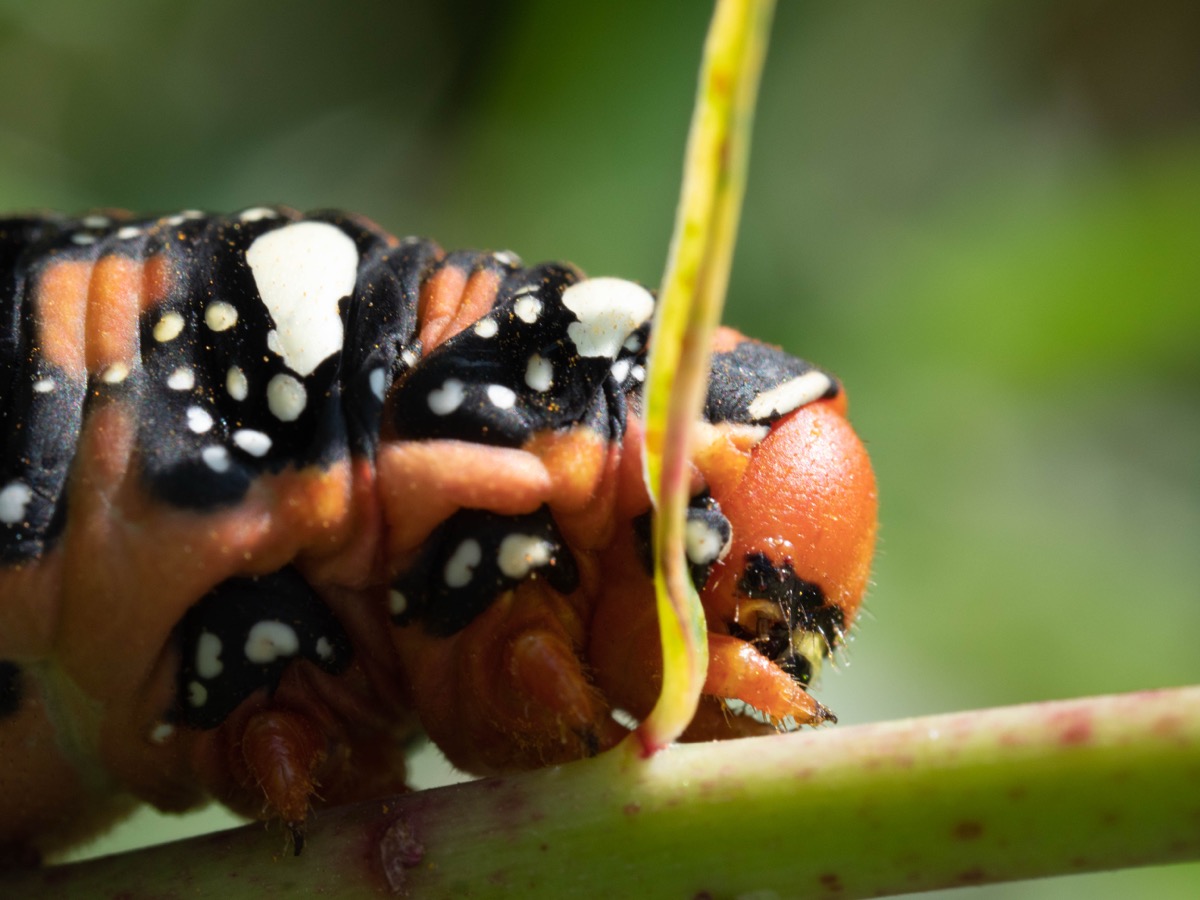
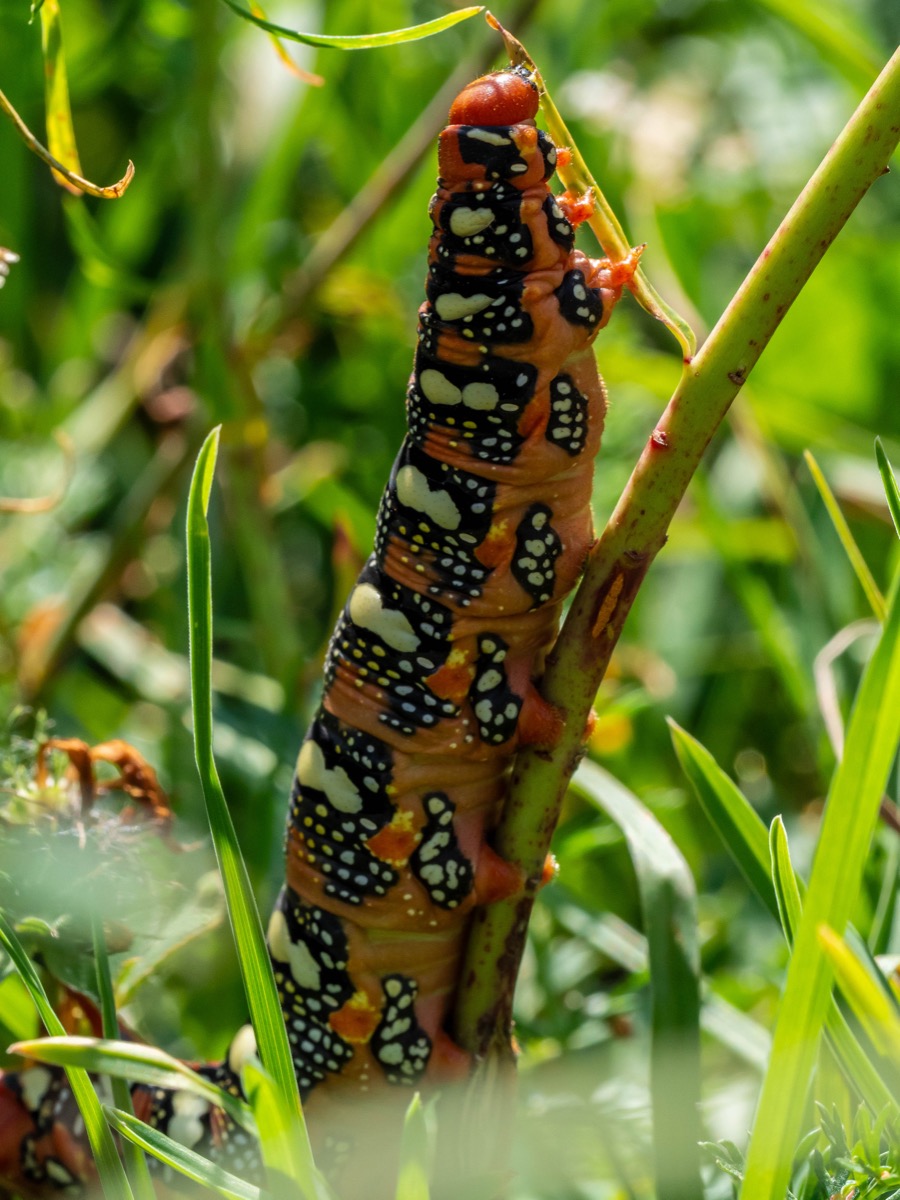
  • Robust caterpillars, often green or brown, with a distinctive caudal horn
  • Defensive posture: S-shape, false eye spots
  • Pupation in litter or soil, sometimes in a rudimentary cocoon
  • Univoltine or multivoltine cycle depending on species and climate

Common Genera

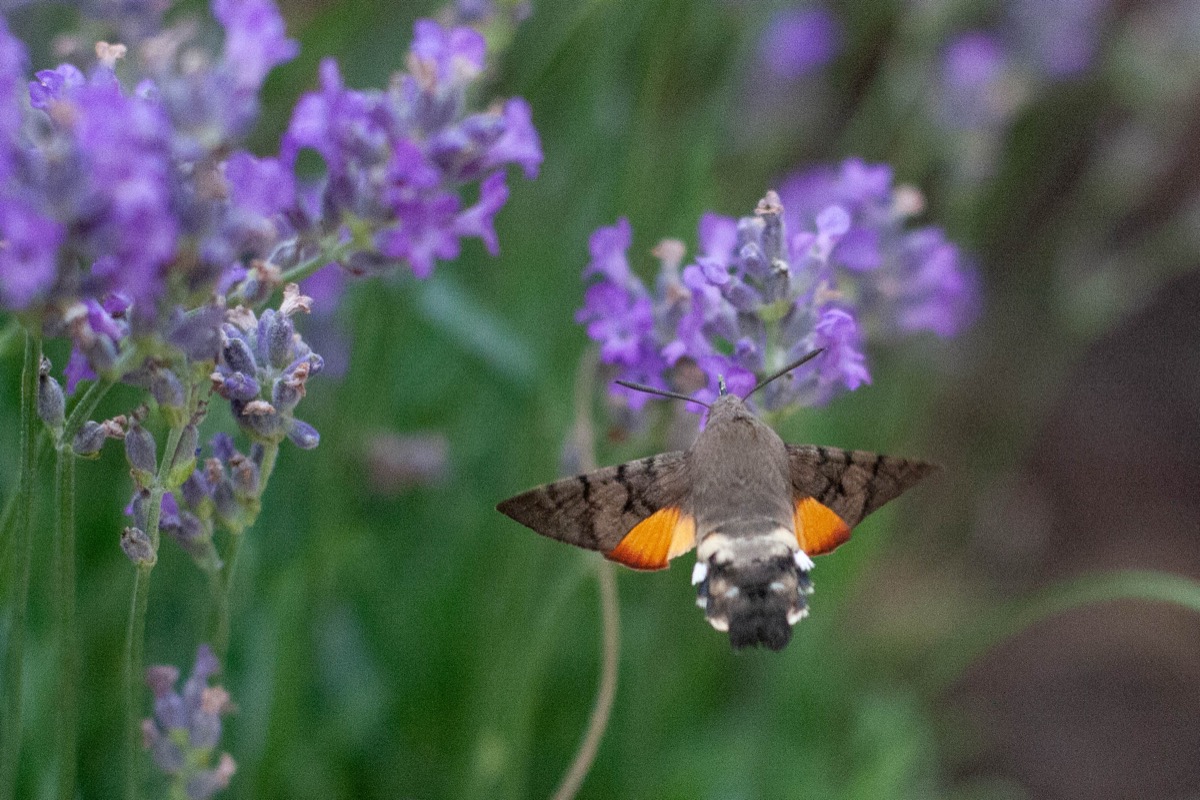
  • Macroglossum – Diurnal, hovering flight (M. stellatarum)
  • Agrius – Very large migratory species (A. convolvuli)
  • Sphinx, Hyles, Deilephila – Temperate hawk moths (S. ligustri, H. euphorbiae, D. elpenor)
  • Theretra, Cephonodes – Tropical, sometimes transparent or green species

Iconic Species

  • Macroglossum stellatarum – Hummingbird hawk-moth: active during the day, visits geraniums, buddleia
  • Agrius convolvuli – Convolvulus hawk-moth: large migrant, seen in autumn
  • Sphinx ligustri – Privet hawk-moth: pink and black, green horned caterpillar
  • Deilephila elpenor – Elephant hawk-moth: caterpillar with snake-like eye spots

Notable Features

  • Specialized pollinators, sometimes exclusive to certain plants
  • Flight behavior comparable to hummingbirds
  • Spectacular caterpillars, sometimes mistaken for miniature snakes
  • Some species are migratory, seen far from their breeding grounds

Genus Agrius

Agrius convolvuli – Convolvulus Hawk-moth

Order Lepidoptera
Lepidoptera family Sphingidae
Genus Agrius
Species convolvuli
Common name Convolvulus Hawk-moth
Authority Linnaeus
Year described 1758
IUCN category (2001–2003) Not assessed
Color grey-beige
Min size 80
Max size 120
Distribution Europe, Asia, Oceania

Image introuvable : macrophotographie/lepidoptera/sphingidae/agrius_convolvuli_01.jpg


Genus Hemaris

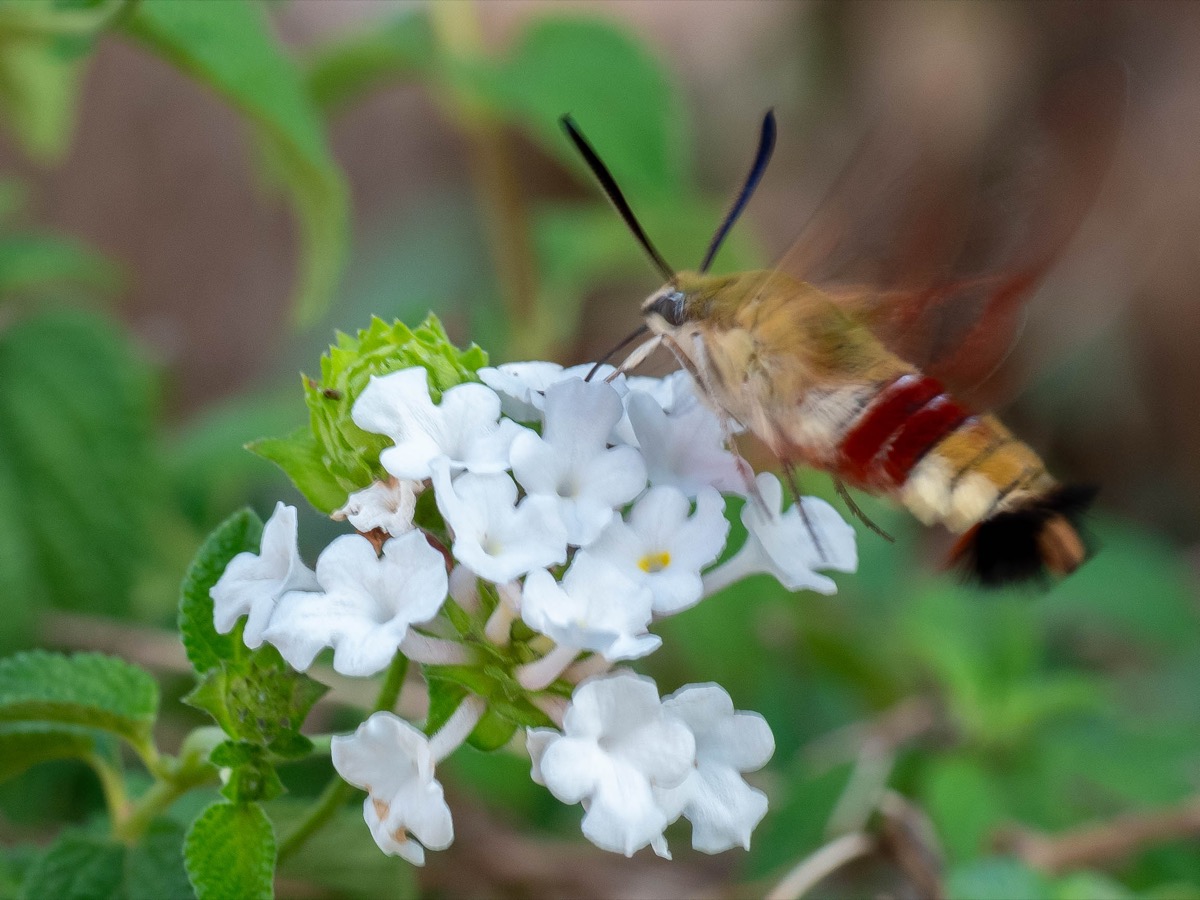
Hemaris fuciformis – Broad-bordered Bee Hawk-moth

Order Lepidoptera
Lepidoptera family Sphingidae
Genus Hemaris
Species fuciformis
Common name Broad-bordered Bee Hawk-moth
Authority
Year described
IUCN category (2001–2003)
Color
Min size
Max size
Distribution

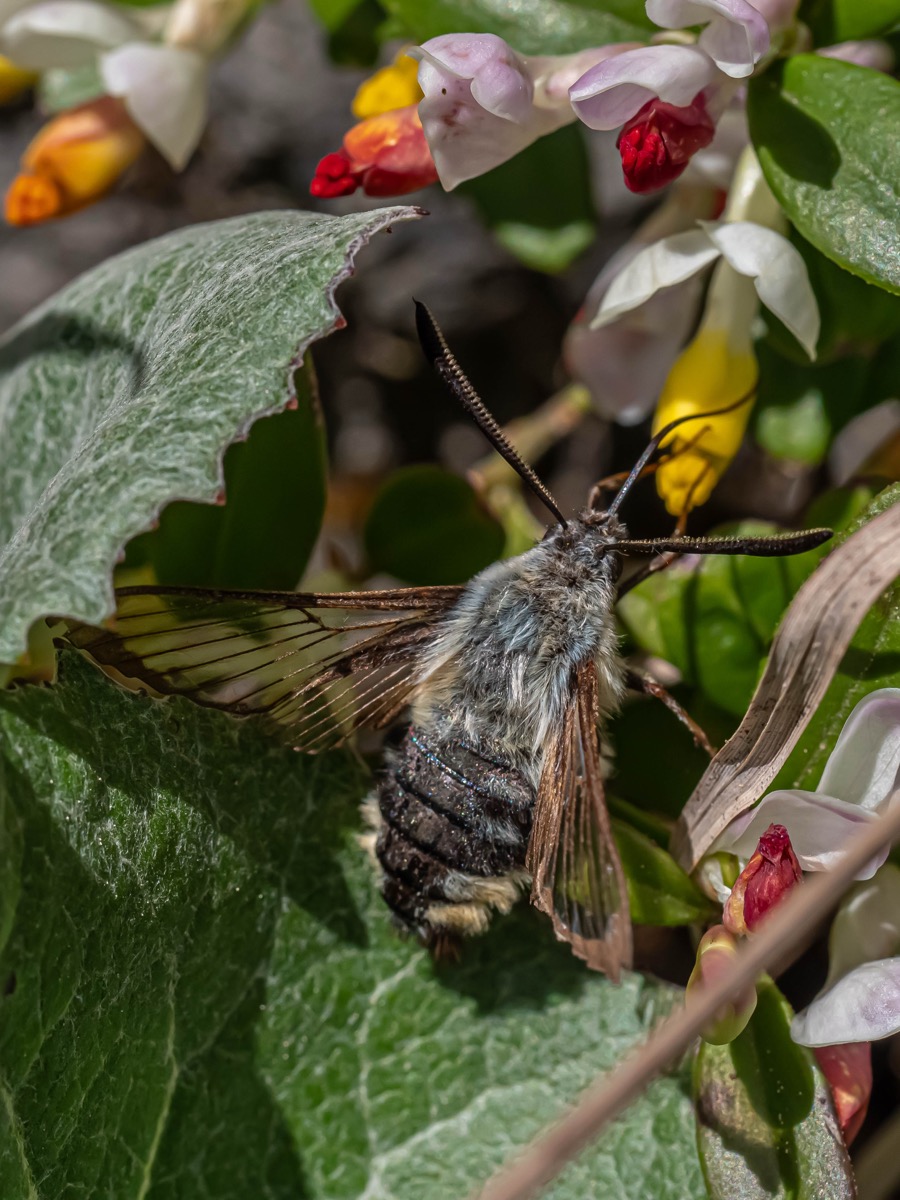
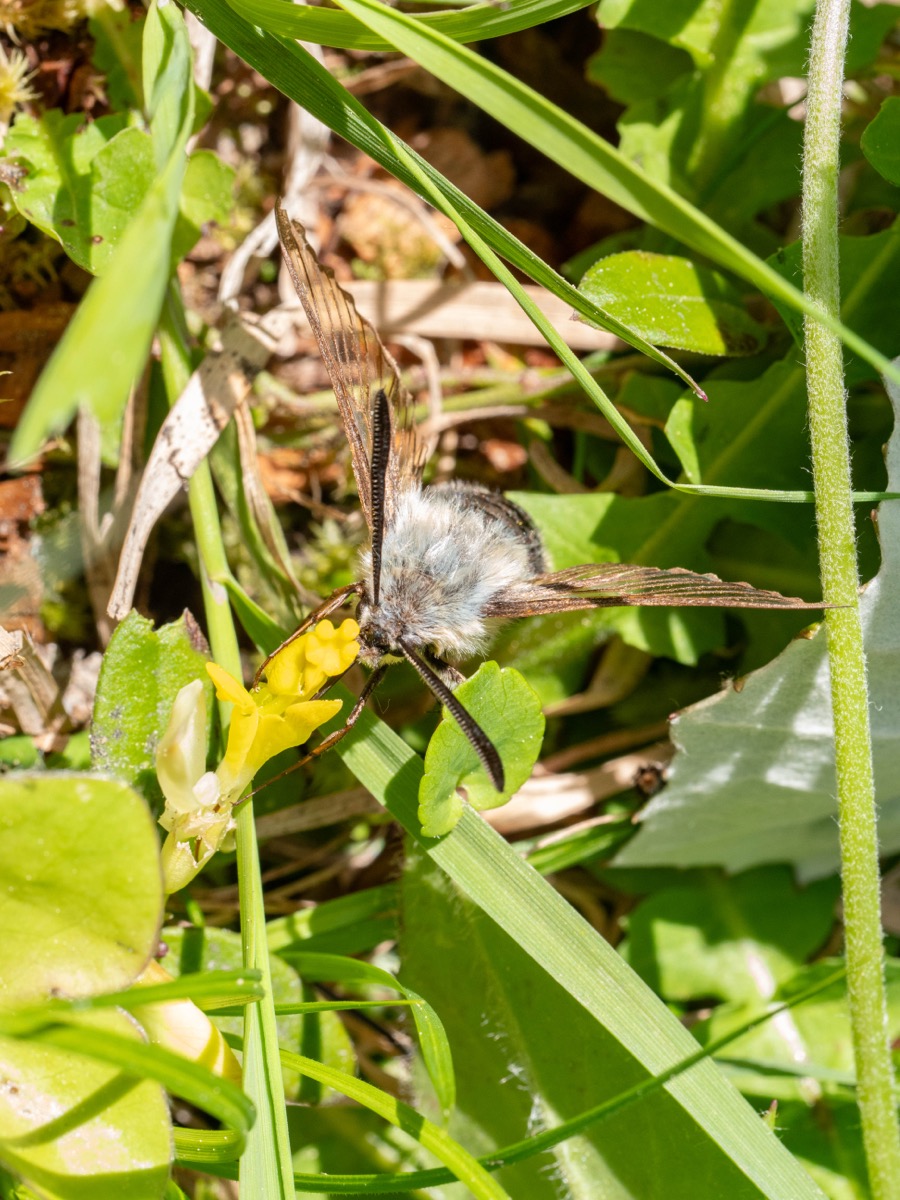
Hemaris tityus – Narrow-bordered Bee Hawk-moth

Order Lepidoptera
Lepidoptera family Sphingidae
Genus Hemaris
Species tityus
Common name Narrow-bordered Bee Hawk-moth
Authority Linnaeus
Year described 1758
IUCN category (2001–2003) Not assessed
Color light to dark brown
Min size 40
Max size 50
Distribution Europe, Asia

Genus Hyles

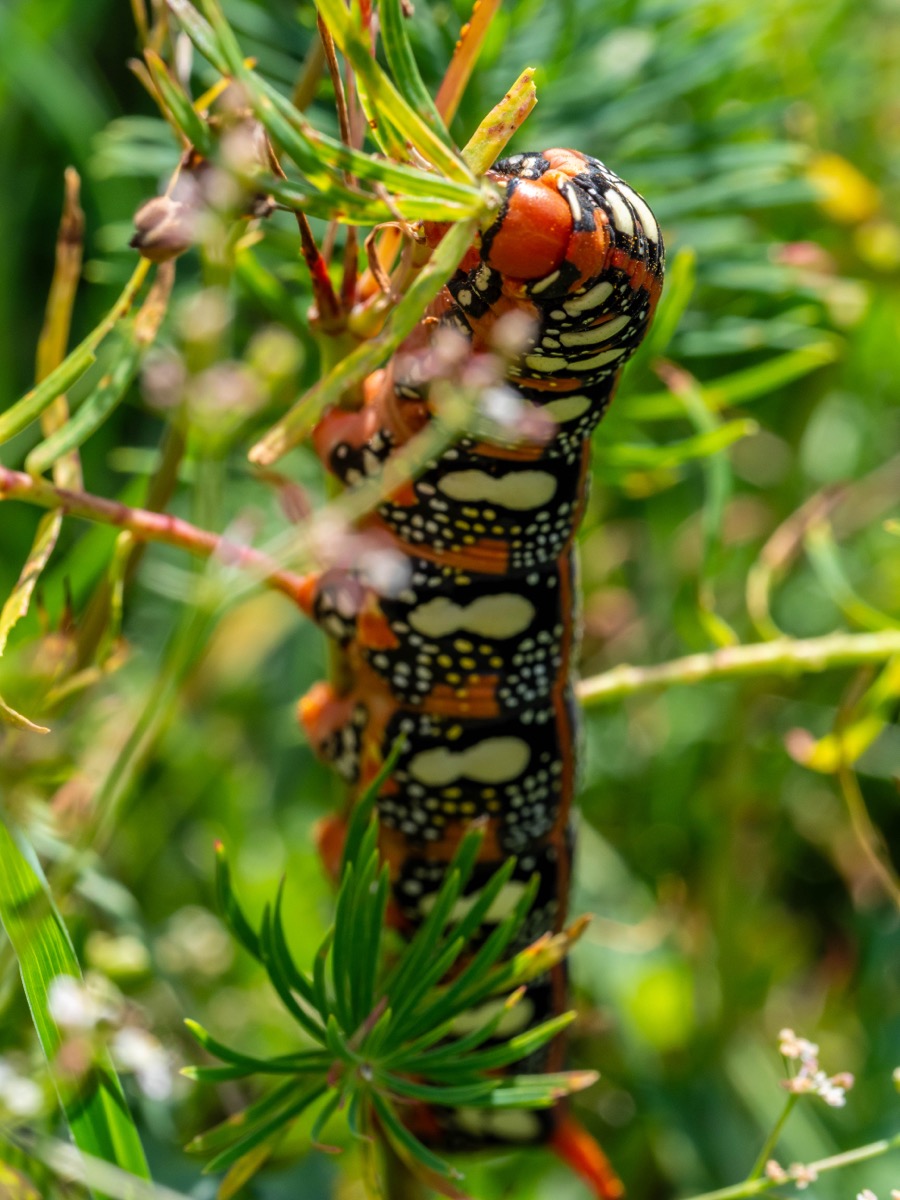
Hyles euphorbiae – Spurge Hawk-moth

Order Lepidoptera
Lepidoptera family Sphingidae
Genus Hyles
Species euphorbiae
Common name Spurge Hawk-moth
Authority Linnaeus
Year described 1758
IUCN category (2001–2003) Not assessed
Color brown-pink
Min size
Max size 80
Distribution Europe, Asia, North America

Genus Macroglossum

Macroglossum stellatarum – Hummingbird Hawk-moth

Order Lepidoptera
Lepidoptera family Sphingidae
Genus Macroglossum
Species stellatarum
Common name Hummingbird Hawk-moth
Authority Linnaeus
Year described 1758
IUCN category (2001–2003) Not assessed
Color beige-brown to orange / grey-brown body
Min size 55
Max size 80
Distribution Europe, Asia, North Africa