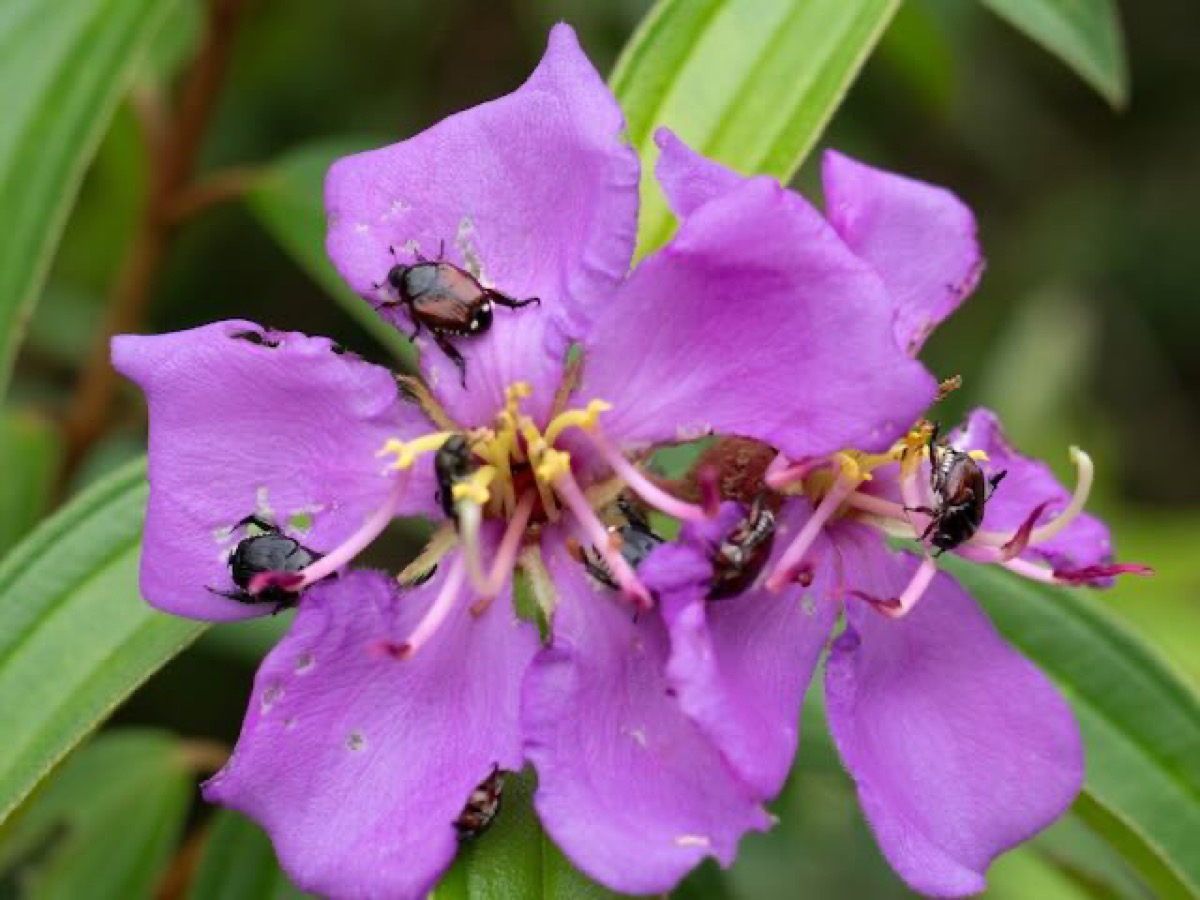
The Scarabaeidae – Scarab Beetles
The Scarabaeidae – scarab beetles are a family of beetles comprising, according to Wikipedia, more than 30,000 species worldwide! Thirteen subfamilies are recognized.
- Latreille, 1802
Scarabaeidae – Common Names:
-
scarabs
-
chafers
-
dung beetles
-
rhinoceros beetles
Characteristics:
Characteristics:
-
clubbed antennae
-
antennal tips can fan open
-
exposed abdominal tip, truncated elytra
-
most are capable of flight
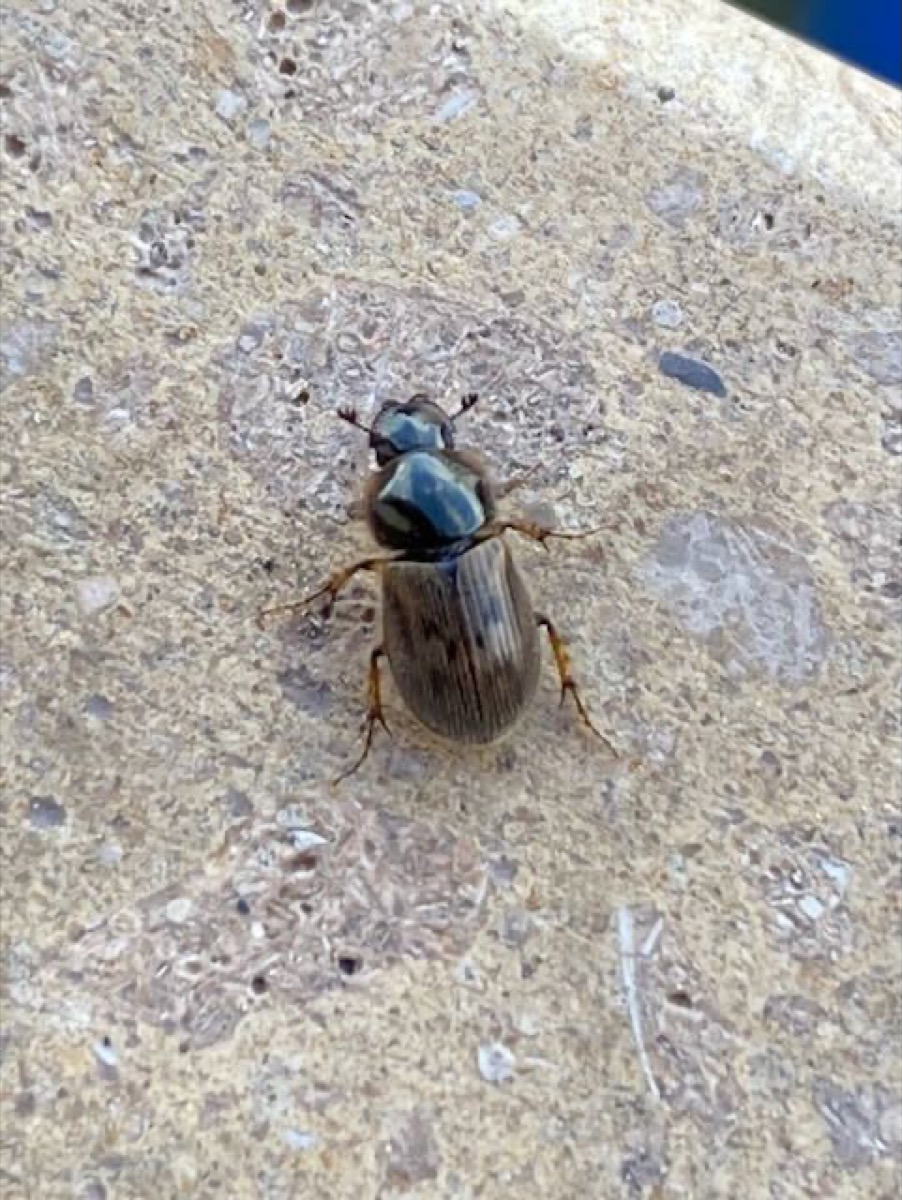
Aphodiinae (subfamily)
Genus Aphodius
This genus is part of the dung beetles. They mainly feed on feces.
Cetoniinae (subfamily)
Genus Cetonia
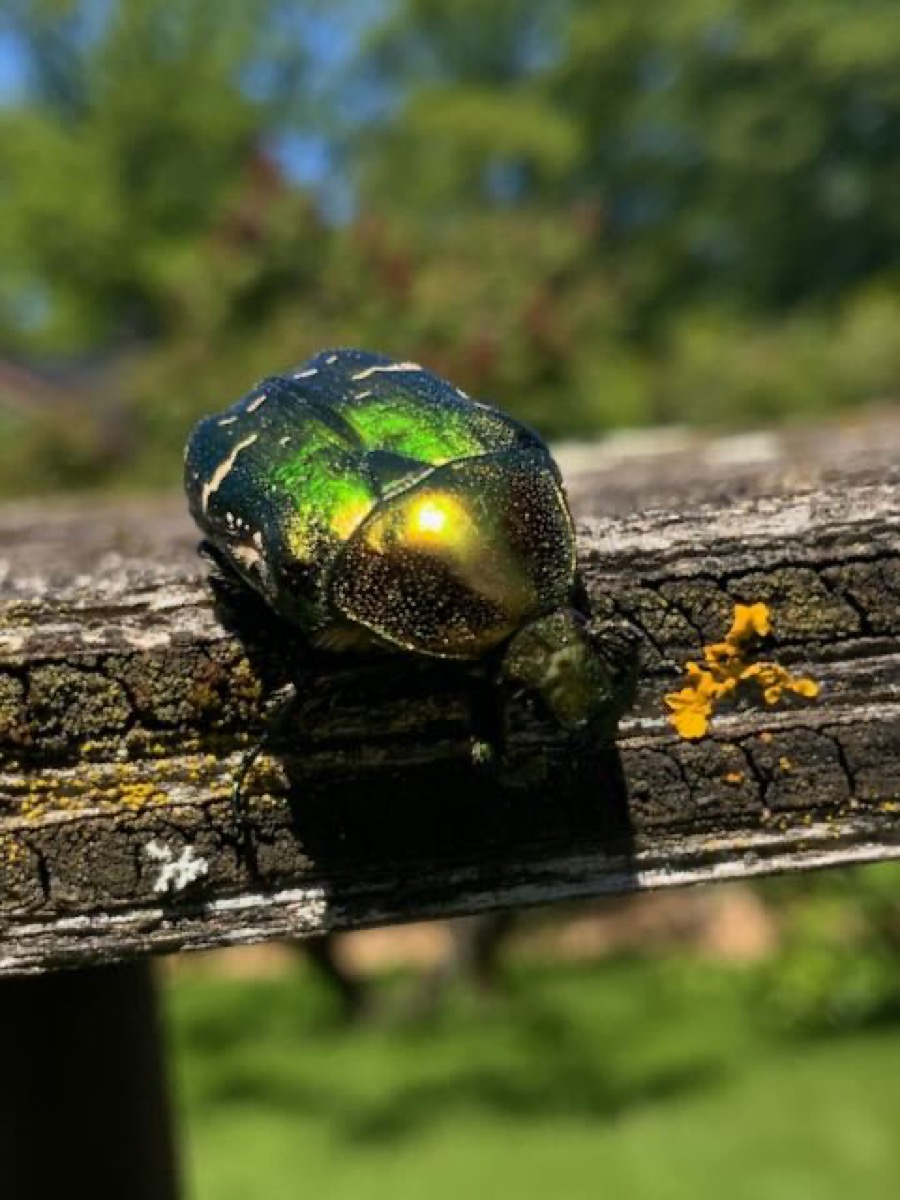
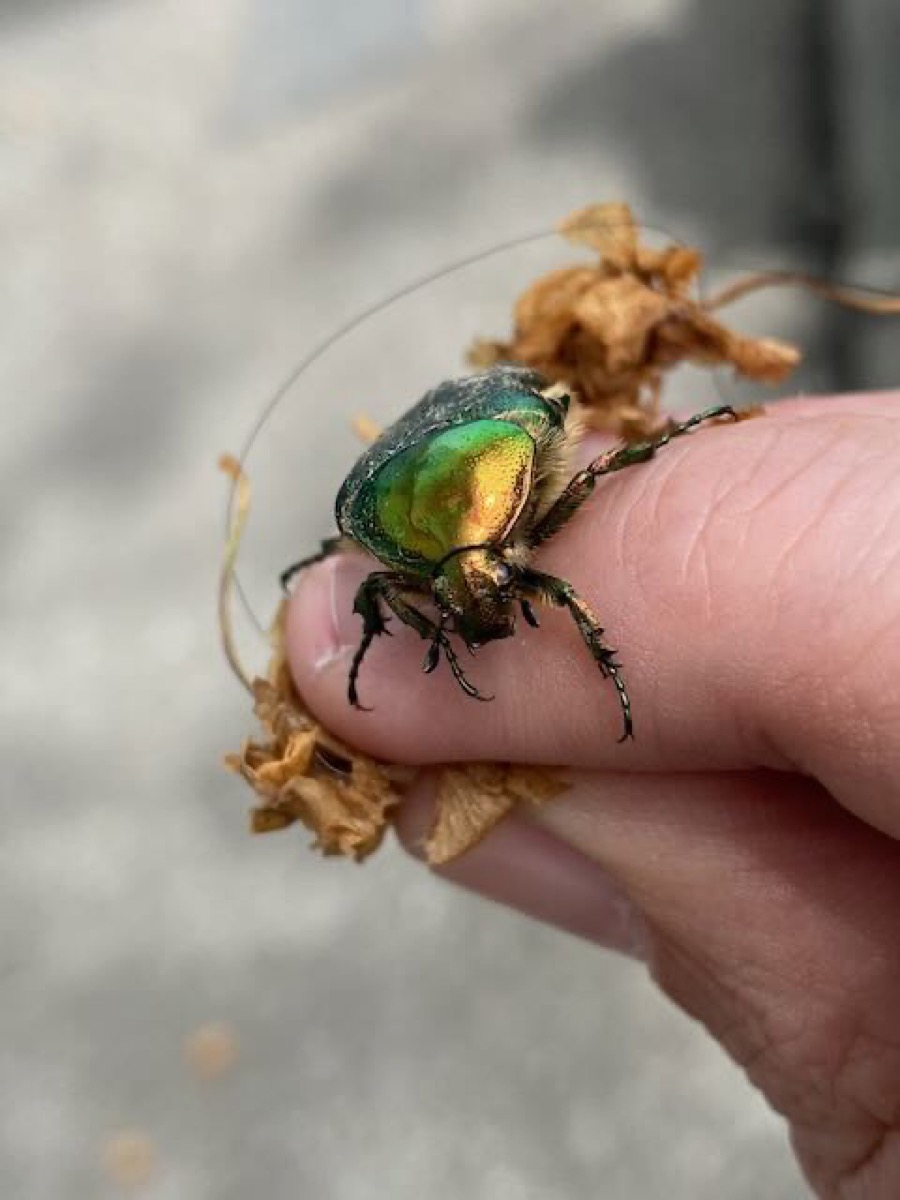
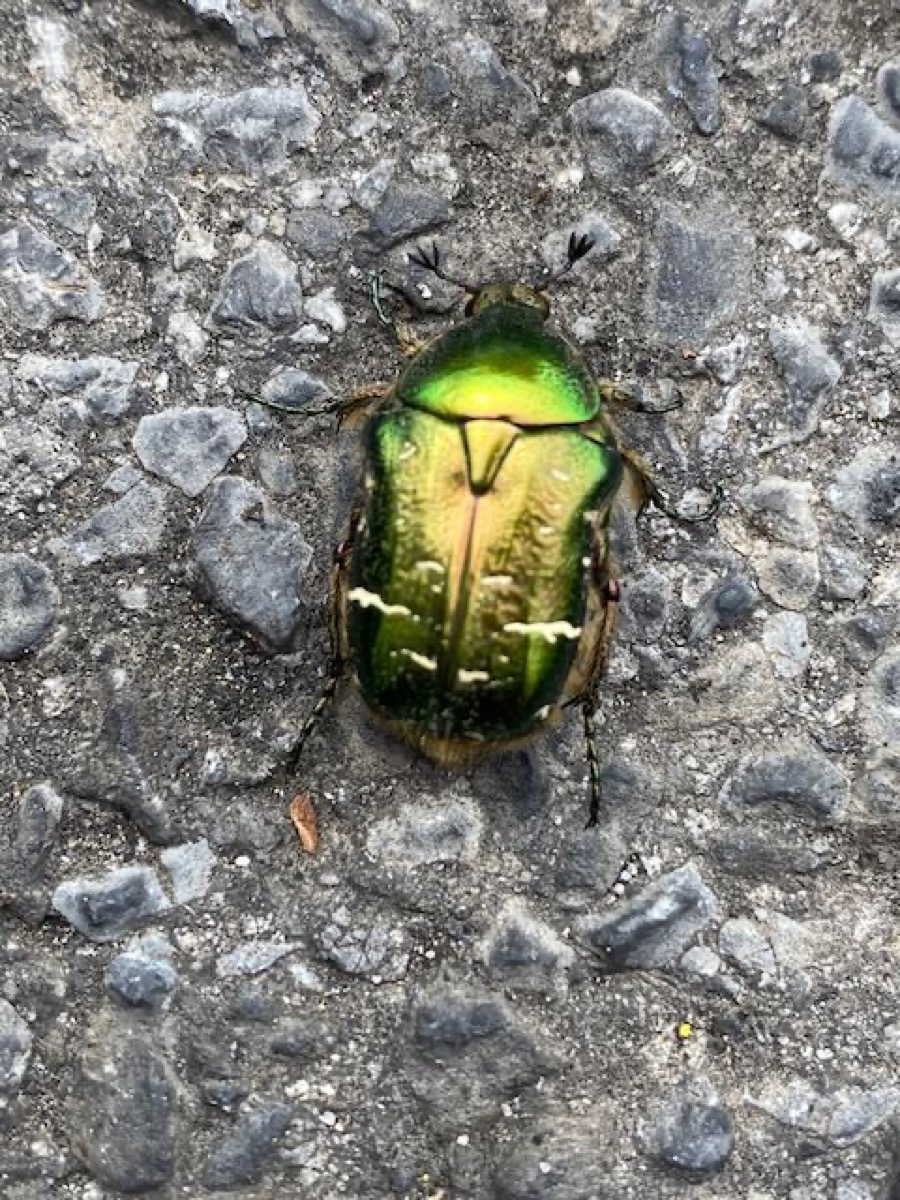
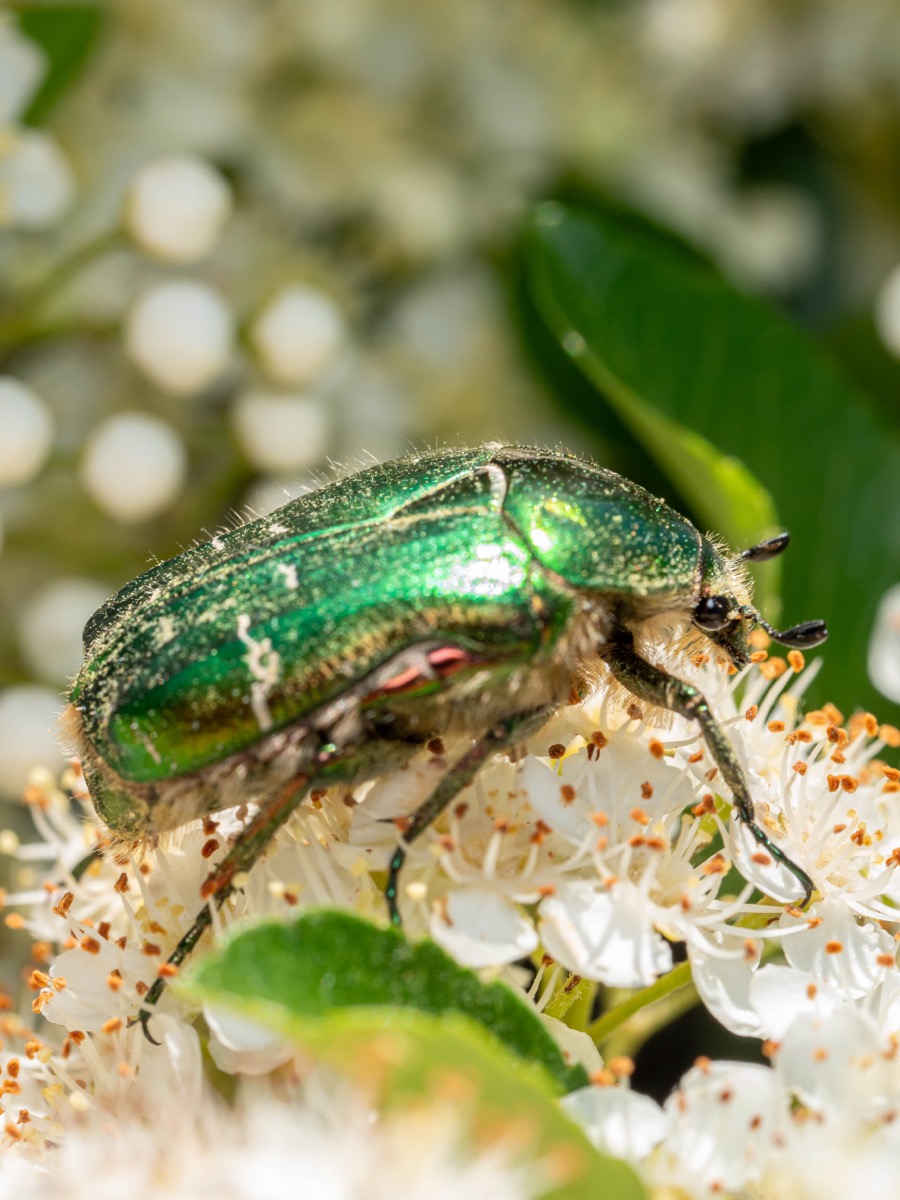
Cetonia aurata – Rose Chafer
The rose chafer is also known as the green rose chafer.
Its elytra are fused.
Sources: Wikipedia
| Order | Coleoptera |
|---|---|
| Family | Scarabaeidae |
| Genus | Cetonia |
| Species | Aurata |
| Common name | Rose chafer |
| Identifier | Linnaeus |
| Year identified | 1758 |
| Protected | Not protected |
| IUCN category (2001-2003) | LC (Least Concern) |
| Habitat | Flowers |
| Diet | Saproxylic |
| Color | metallic green / sometimes tinted red / blue / purple / black |
| Antennae | |
| Pronotum | strong punctures on the sides, finer and sparser on the disc with a smooth median line |
| Elytra | fused, may show small white spots |
| Legs | |
| Range | Europe, Asia |
| Min size | 14 |
| Max size | 20 |
| Period start | April |
| Period end | October |
Genus Oxythyrea
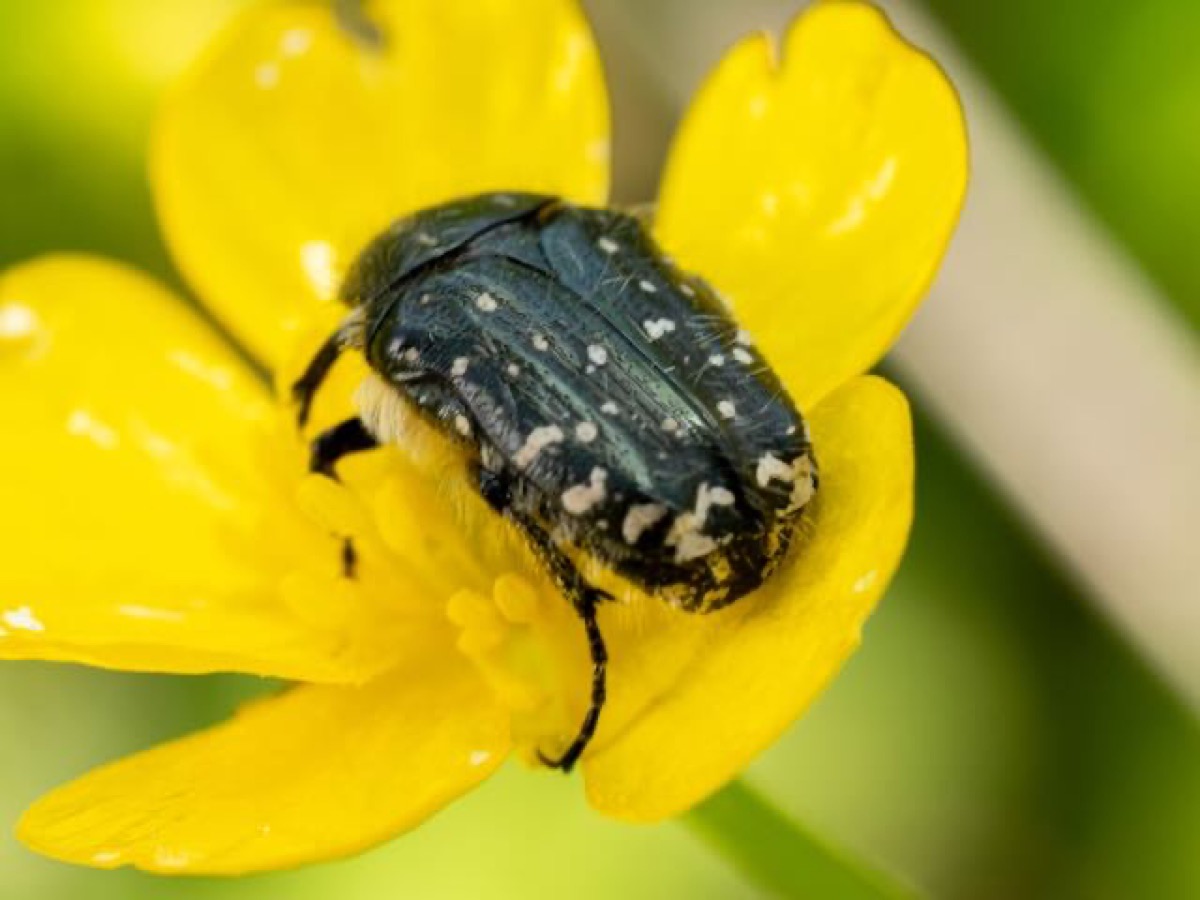
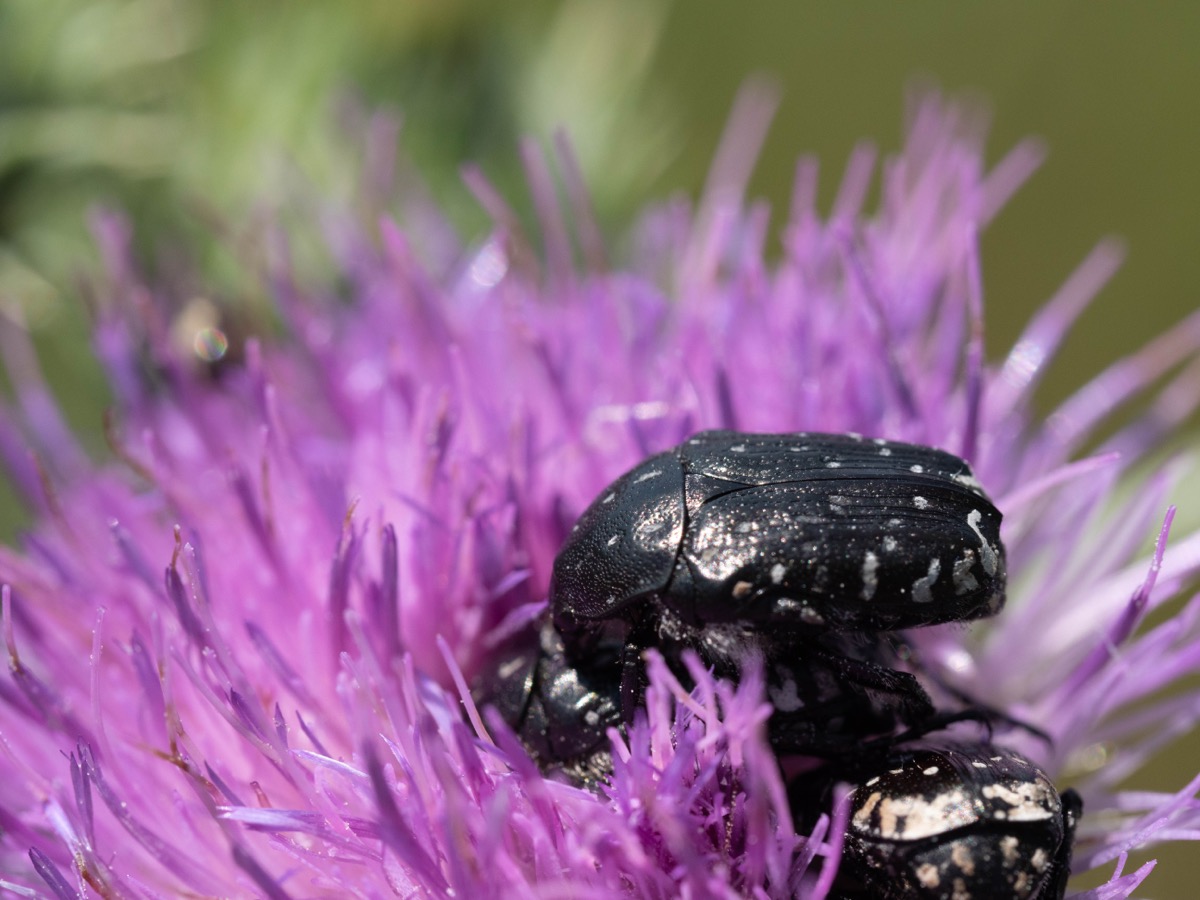
Oxythyrea funesta – Mediterranean Spotted Chafer
The sound of its flight resembles that of a bee.
It is considered a pest species.
Source: Wikipedia
| Order | Coleoptera |
|---|---|
| Family | Scarabaeidae |
| Genus | Oxythyrea |
| Species | Funesta |
| Common name | Mediterranean spotted chafer |
| Identifier | Poda |
| Year identified | 1761 |
| Protected | Not protected |
| IUCN category (2001-2003) | Not classified |
| Habitat | |
| Diet | decaying matter |
| Color | black, tinged with bronze or greenish hues |
| Antennae | |
| Pronotum | four to six white spots in two longitudinal rows |
| Elytra | white spots |
| Legs | 3 teeth on the front tibia, two of which point outward |
| Range | Europe, Palearctic region |
| Min size | 10 |
| Max size | 15 |
| Period start | May |
| Period end | July |
Genus Protaetia
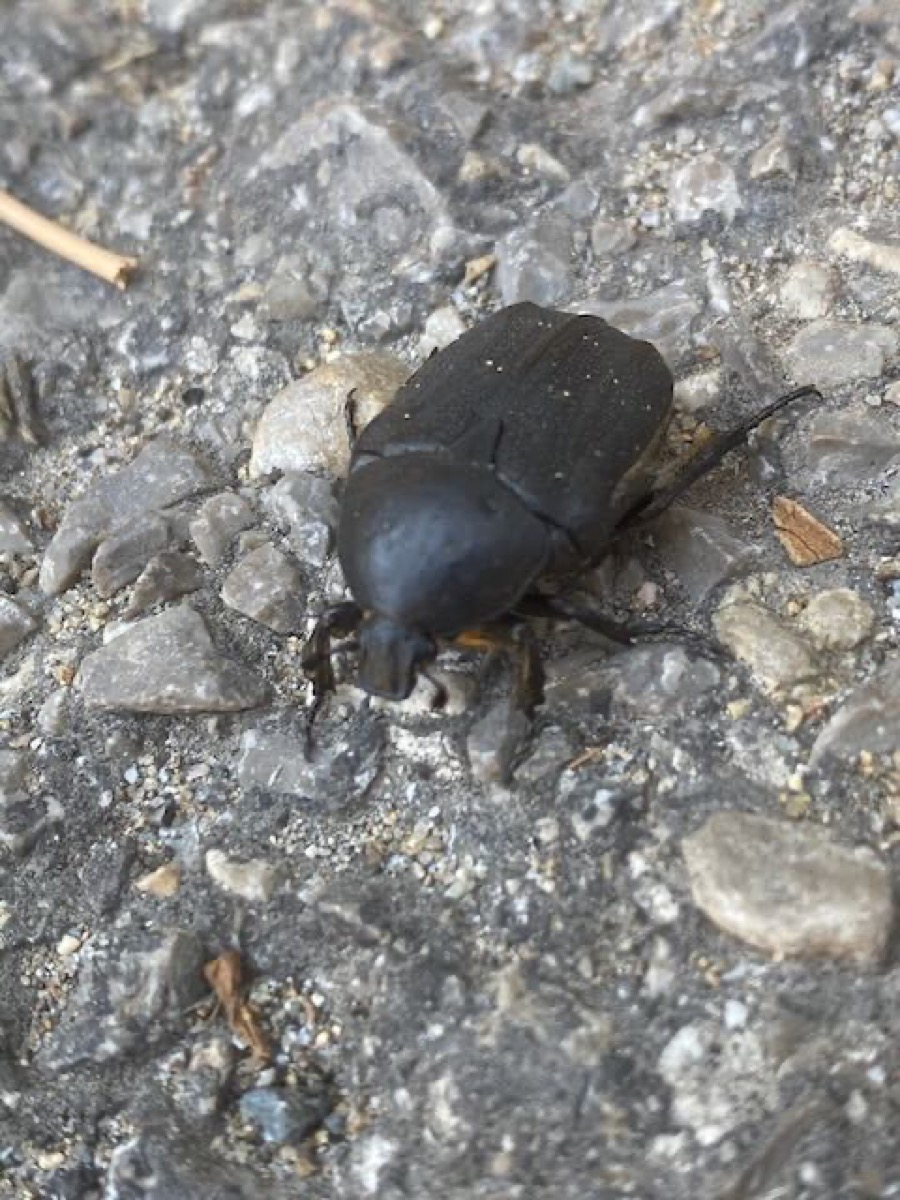
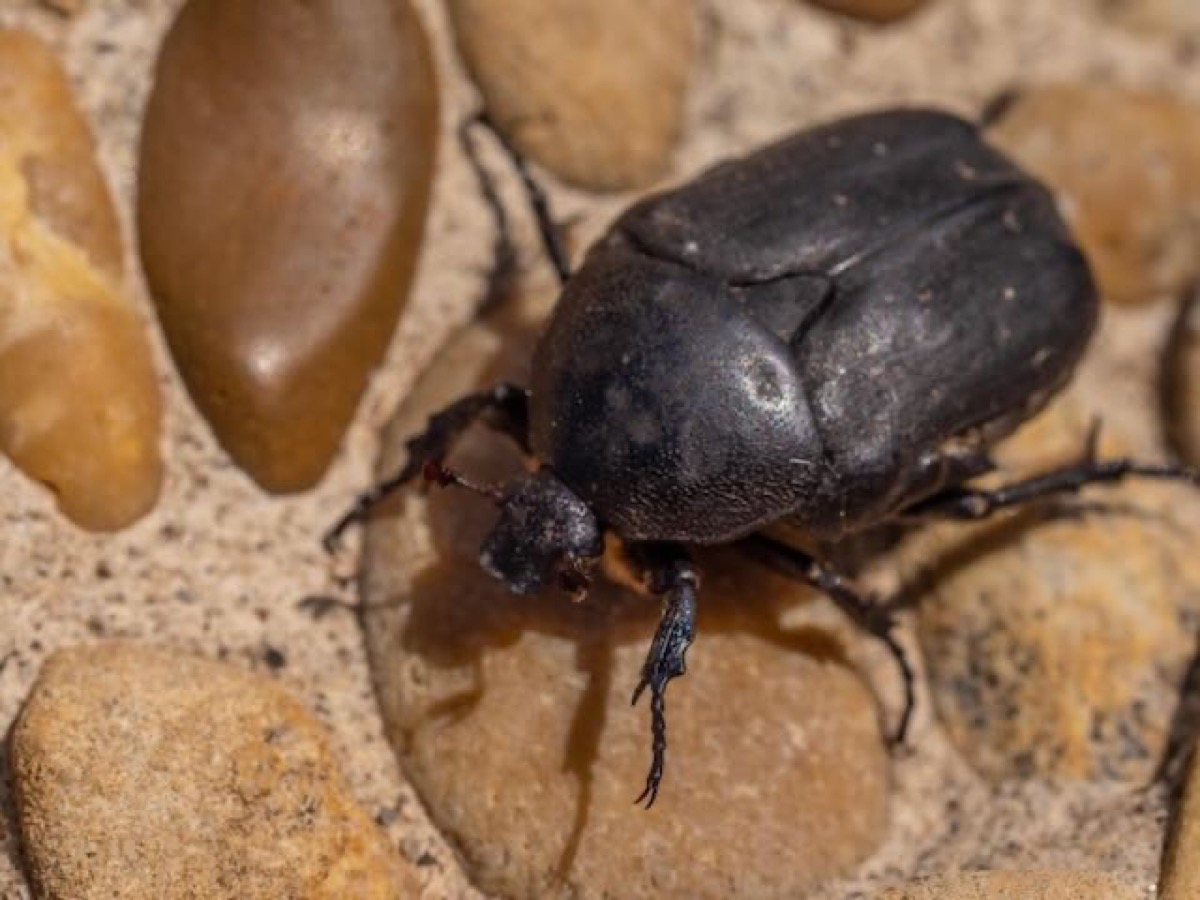
Protaetia morio – Black Chafer
It is common in southern Europe. Its elytra do not open in flight.
| Order | Coleoptera |
|---|---|
| Family | Scarabaeidae |
| Genus | Protaetia |
| Species | Morio |
| Common name | Black chafer |
| Identifier | Fabricius |
| Year identified | 1781 |
| Protected | Not protected |
| IUCN category (2001-2003) | Not classified |
| Habitat | |
| Diet | |
| Color | |
| Antennae | |
| Pronotum | |
| Elytra | |
| Legs | |
| Range | Mediterranean basin |
| Min size | 13 |
| Max size | 20 |
| Period start | |
| Period end |
Genus Trichius
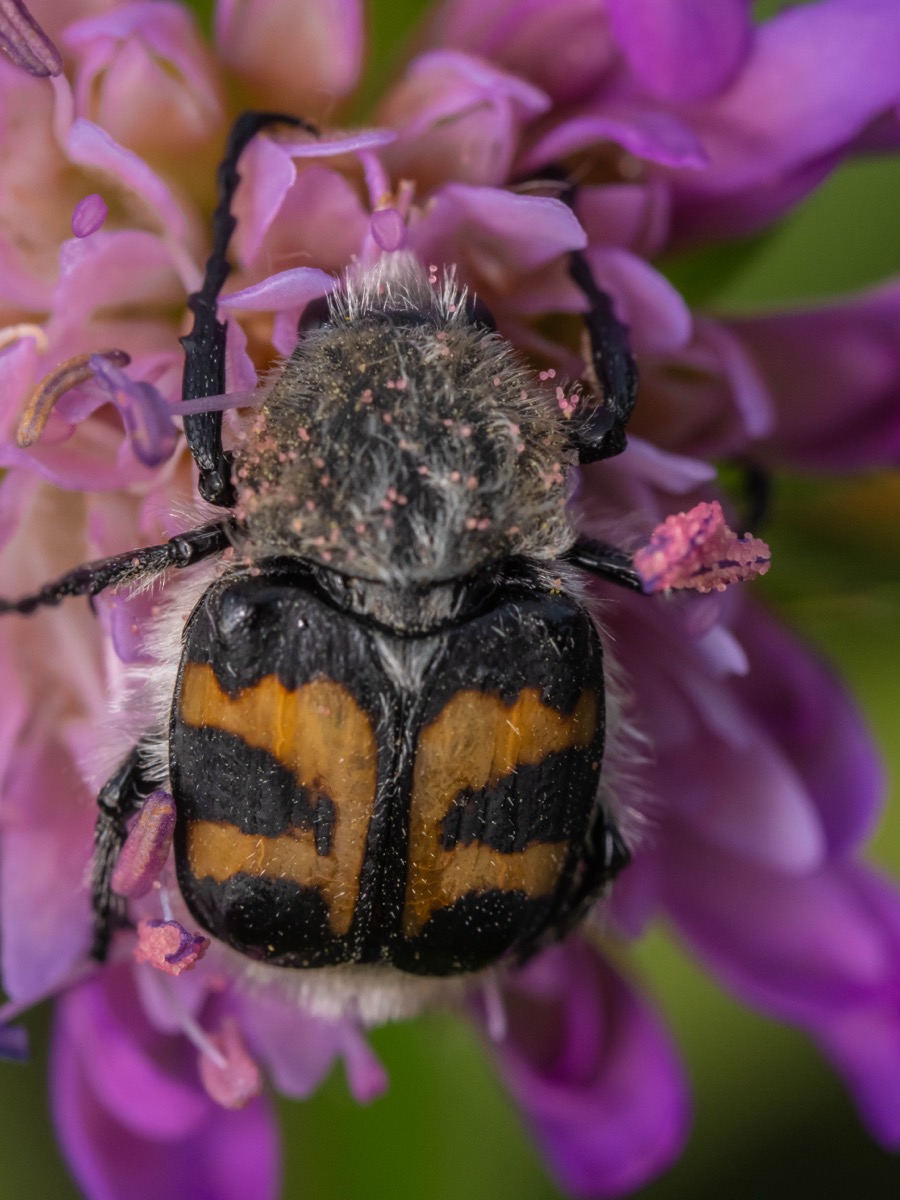
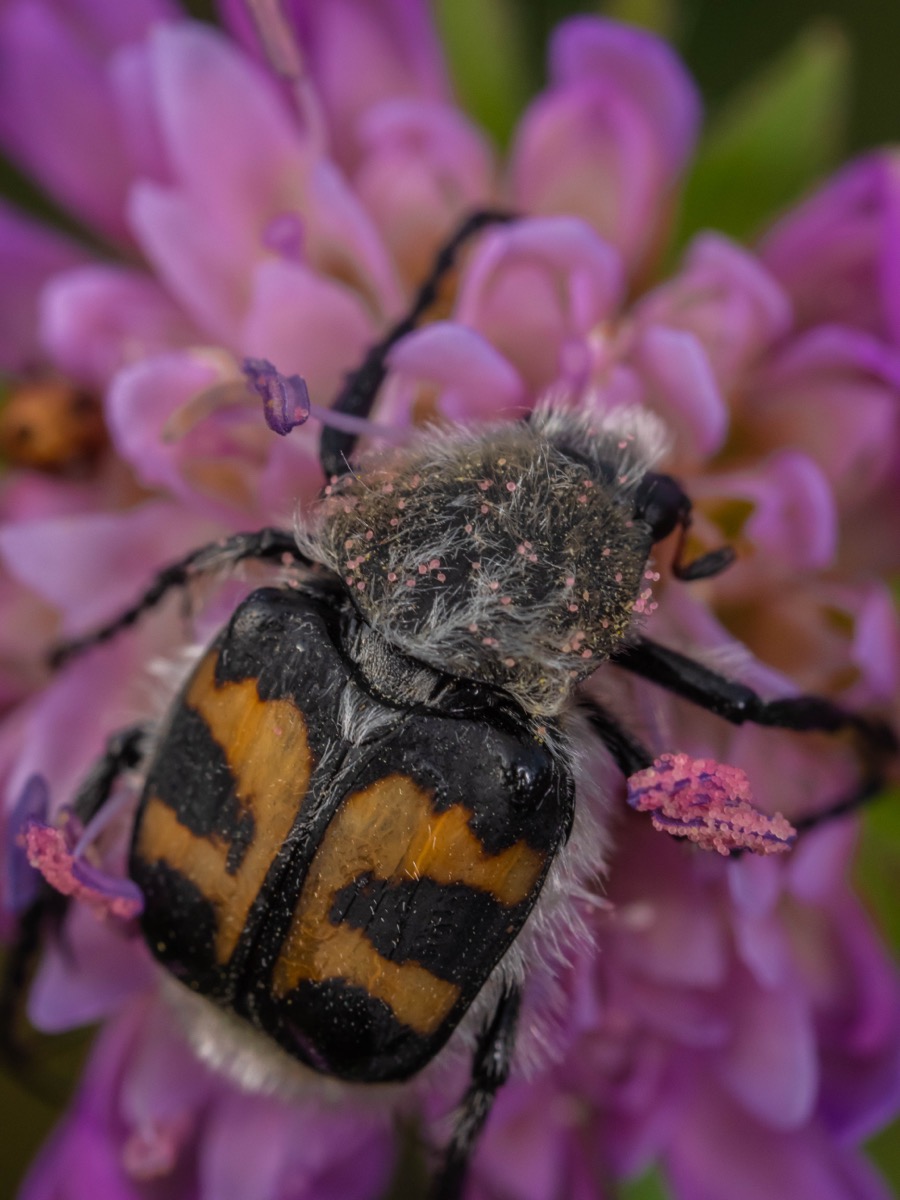
Trichius fasciatus – Bee Beetle
The bee beetle is hairy and resembles a bumblebee. It is commonly referred to as “bee beetle” in English. It is covered with hairs except on the elytra, which are bare.
| Order | Coleoptera |
|---|---|
| Family | Scarabaeidae |
| Genus | Trichius |
| Species | Fasciatus |
| Common name | Bee beetle |
| Identifier | Linnaeus |
| Year identified | 1758 |
| Protected | Not protected |
| IUCN category (2001-2003) | LC (Least Concern) |
| Habitat | |
| Diet | |
| Color | pale yellow, dark orange, black |
| Antennae | |
| Pronotum | |
| Elytra | yellow and black bands |
| Legs | |
| Range | Europe, Asia |
| Min size | 9 |
| Max size | 24 |
| Period start | May |
| Period end | August |

Dynastinae (subfamily)
Genus Orcytes
Orcytes nasicornis – European Rhinoceros Beetle
The male has a long horn; the female does not.
| Order | Coleoptera |
|---|---|
| Family | Scarabaeidae |
| Genus | Orcytes |
| Species | Nasicornis |
| Common name | European rhinoceros beetle |
| Identifier | Linnaeus |
| Year identified | 1758 |
| Protected | Not protected |
| IUCN category (2001-2003) | Not classified |
| Habitat | |
| Diet | |
| Color | |
| Antennae | |
| Pronotum | |
| Elytra | |
| Legs | |
| Range | Europe |
| Min size | |
| Max size | |
| Period start | |
| Period end |
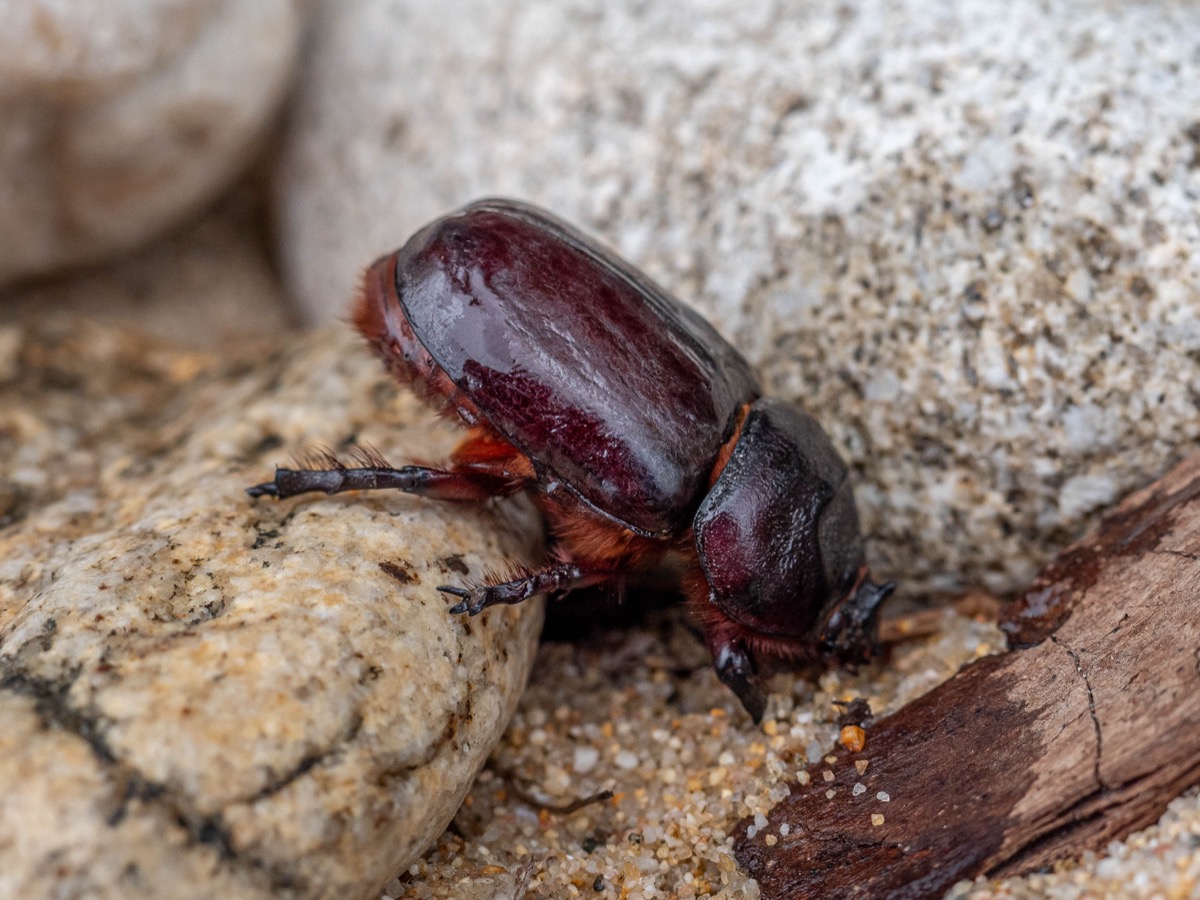
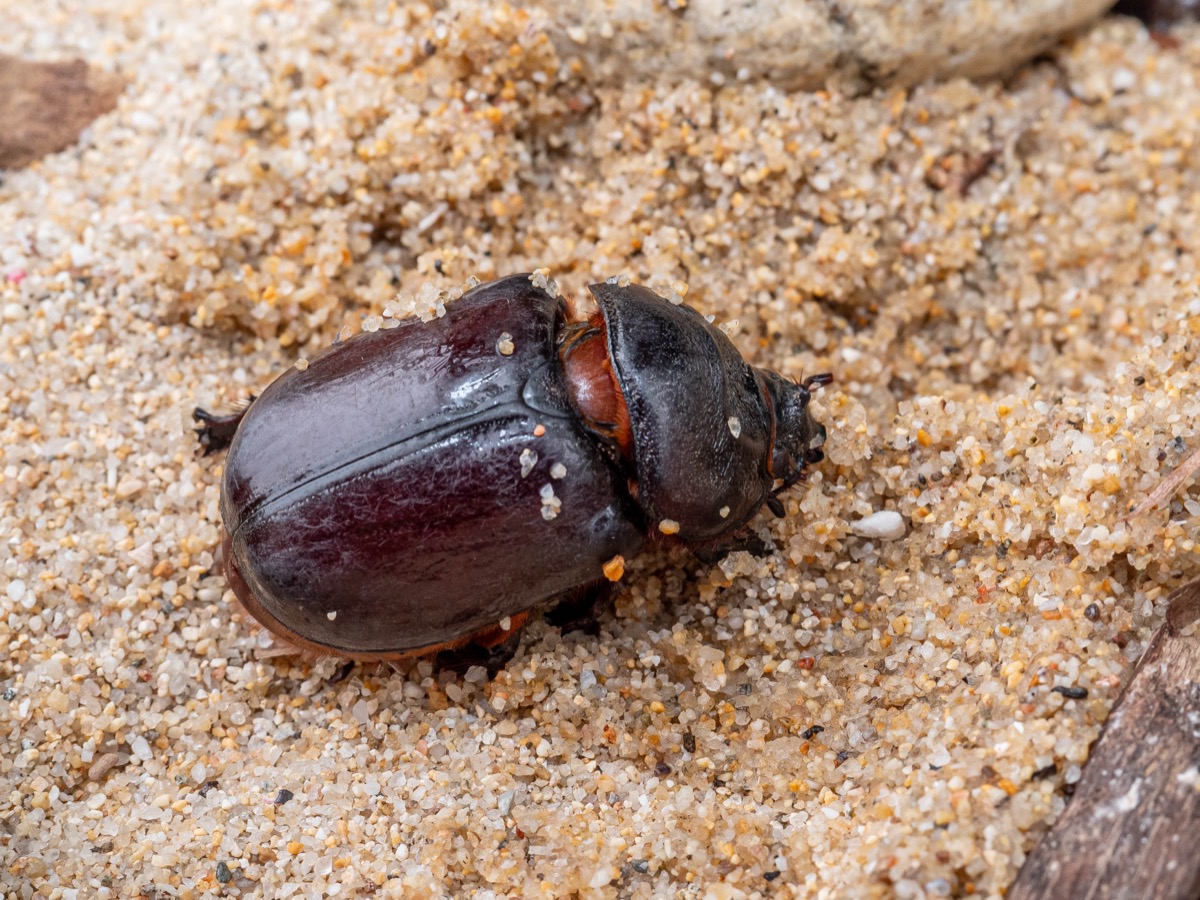
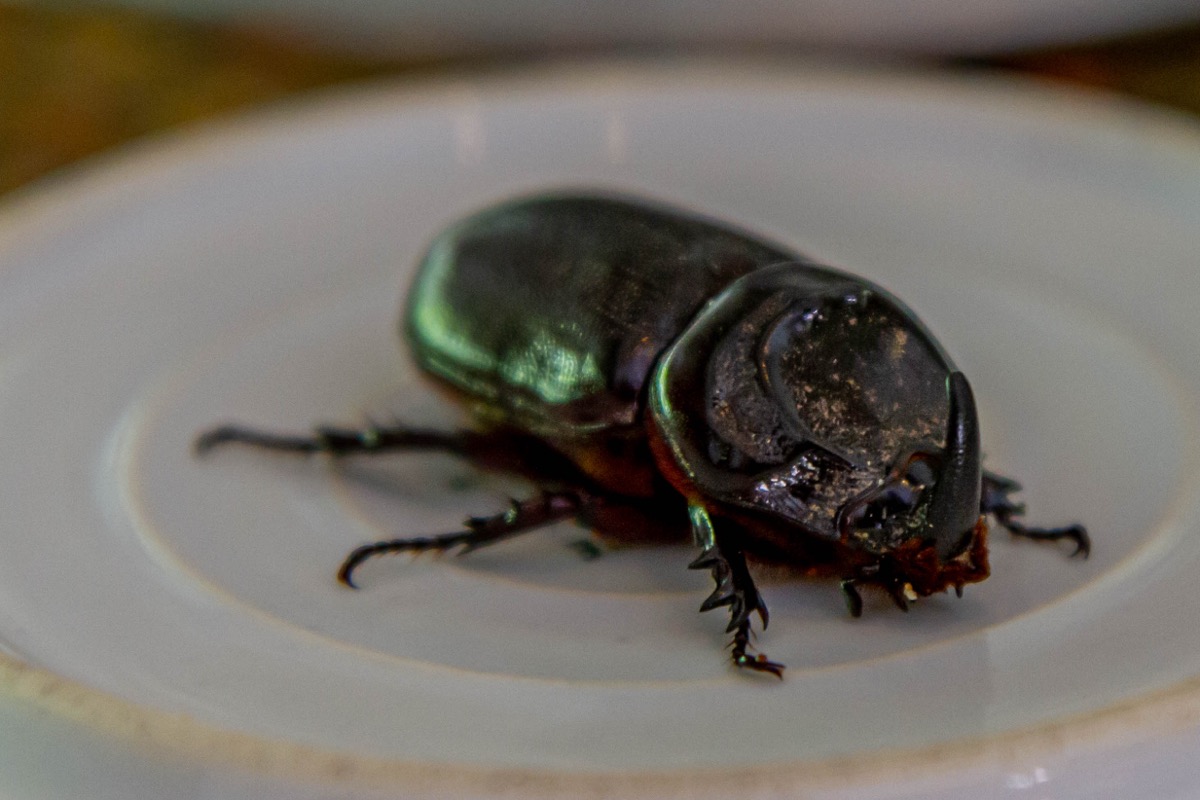
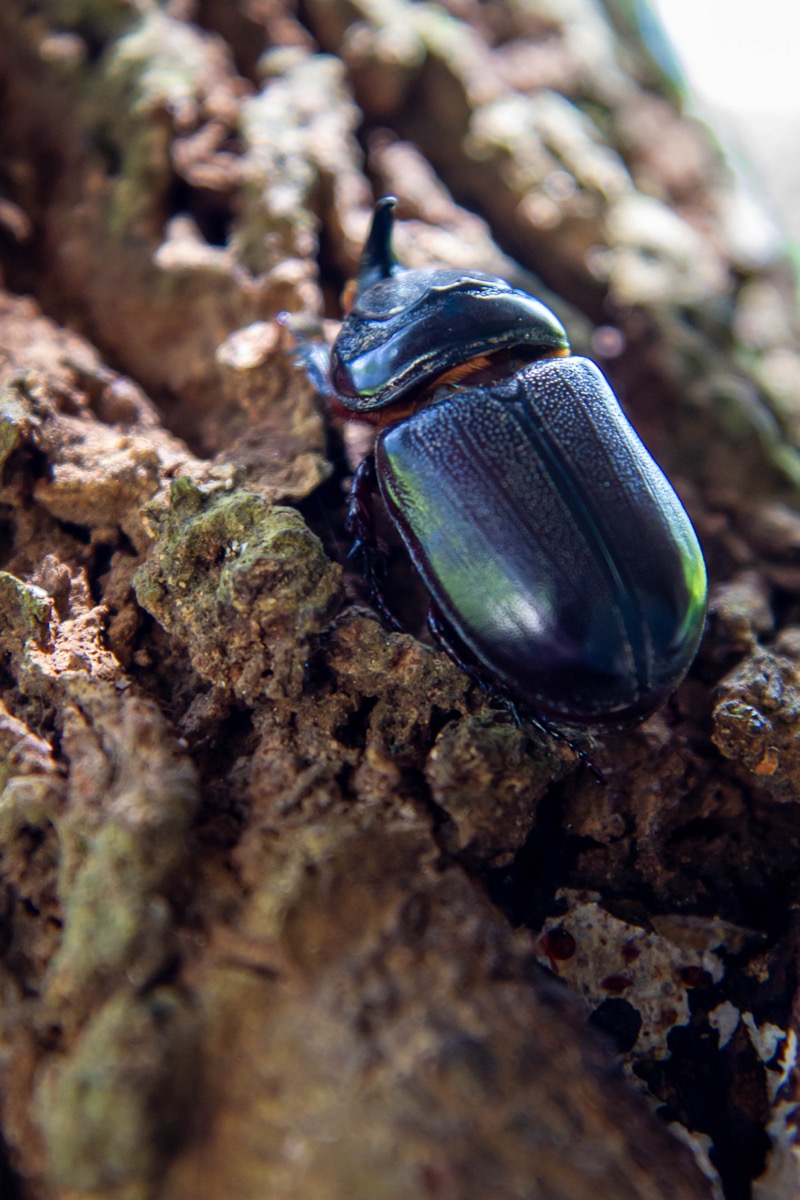
Orcytes rhinoceros – Coconut Rhinoceros Beetle
The coconut rhinoceros beetle is native to Asia.
It is a pest species.
Source: Wikipedia
| Order | Coleoptera |
|---|---|
| Family | Scarabaeidae |
| Genus | Orcytes |
| Species | Rhinoceros |
| Common name | Coconut rhinoceros beetle |
| Identifier | Linnaeus |
| Year identified | 1758 |
| Protected | Pest |
| IUCN category (2001-2003) | Not classified |
| Habitat | |
| Diet | |
| Color | |
| Antennae | |
| Pronotum | |
| Elytra | |
| Legs | |
| Range | South Asia |
| Min size | 30 |
| Max size | 60 |
| Period start | |
| Period end |
Rutelinae (subfamily)
Tribe Anomalini
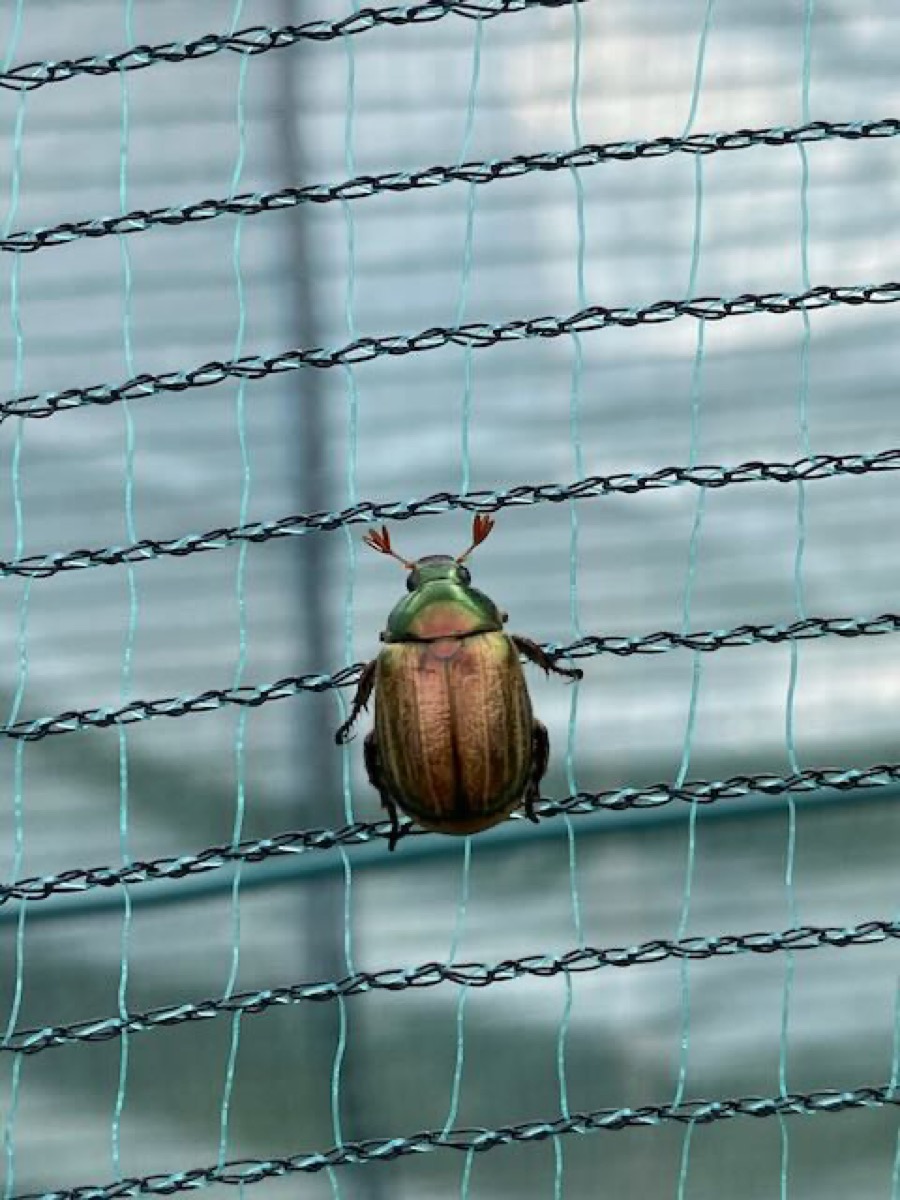
Genus Popillia
Popillia japonica – Japanese Beetle
| Order | Coleoptera |
|---|---|
| Family | Scarabaeidae |
| Genus | Popillia |
| Species | Japonica |
| Common name | Japanese beetle |
| Identifier | Newman |
| Year identified | 1838 |
| Protected | Pest |
| IUCN category (2001-2003) | Not classified |
| Habitat | — |
| Diet | — |
| Color | — |
| Antennae | — |
| Pronotum | — |
| Elytra | — |
| Legs | — |
| Range | Europe, Asia, North America |
| Min size | — |
| Max size | — |
| Period start | — |
| Period end | — |