The Lampyridae – Fireflies
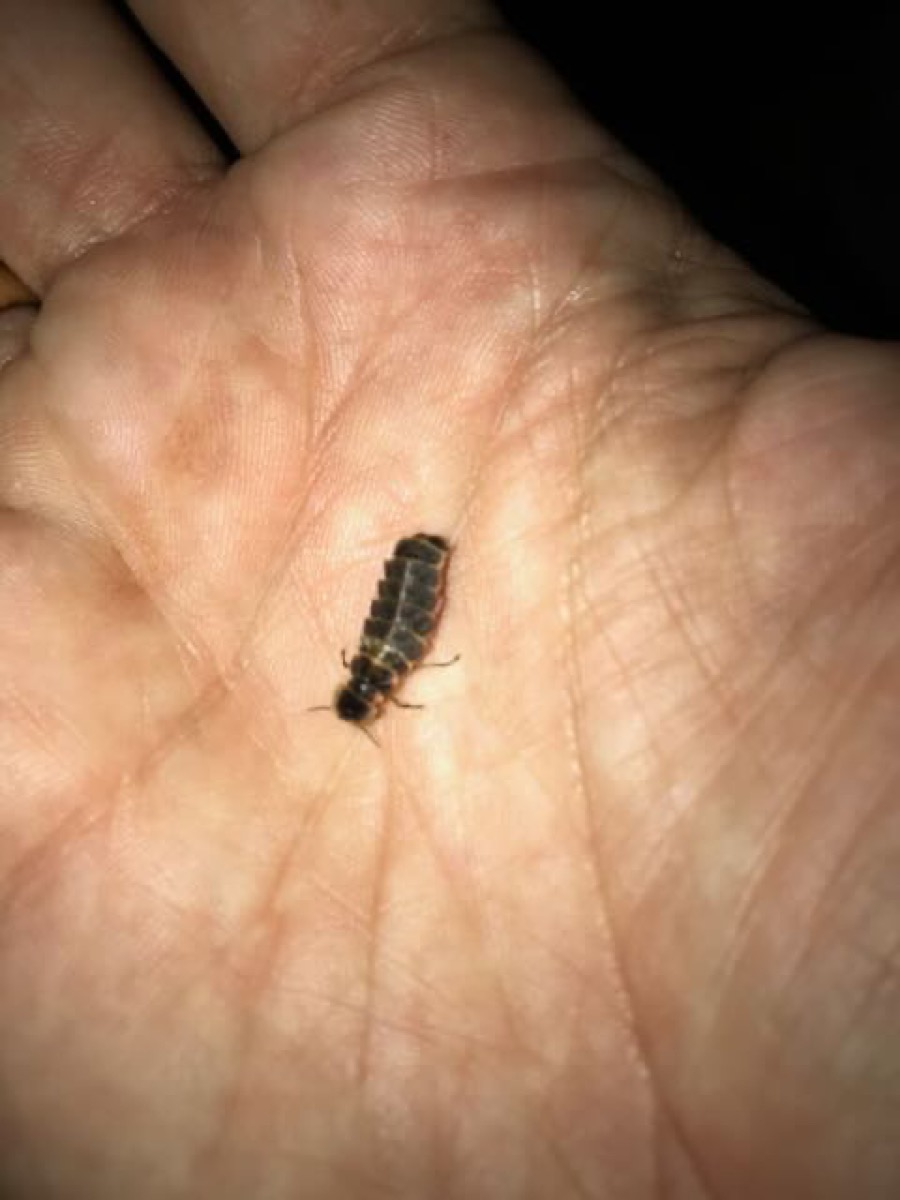
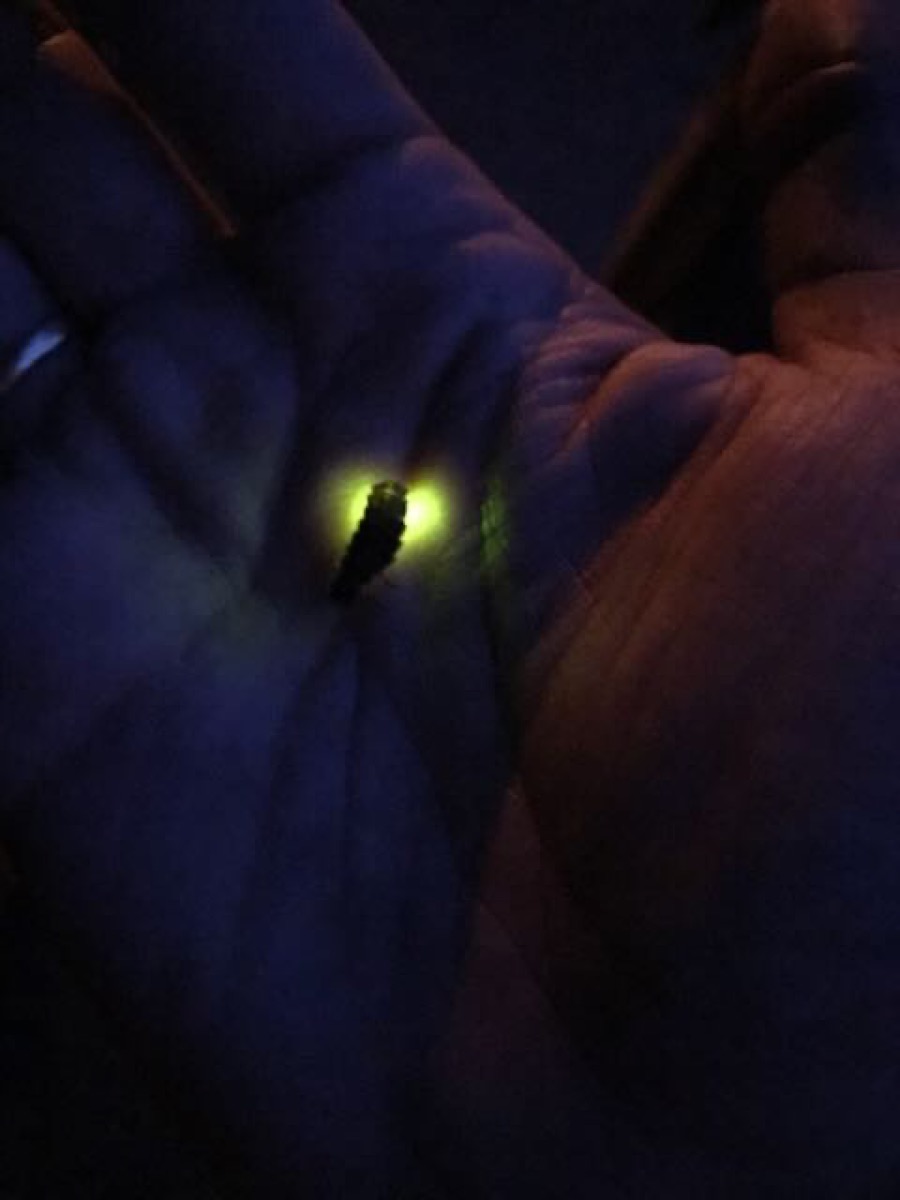
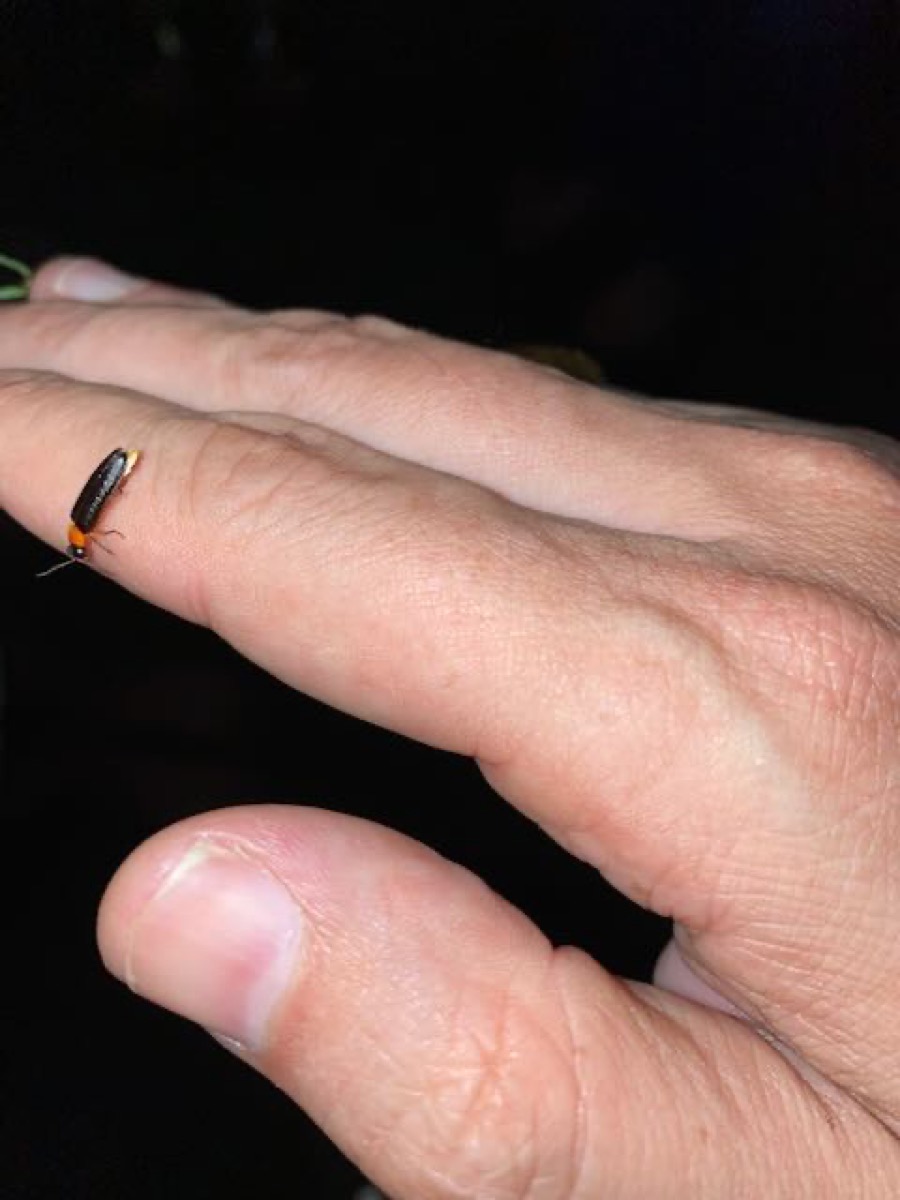
The Lampyridae – fireflies, also known as “glow-worms”, are a family of beetles in the order Coleoptera. These insects are renowned for their ability to produce light, a phenomenon known as bioluminescence. Here is a summary of the main characteristics of Lampyridae:
Characteristics
Bioluminescence:
Bioluminescence is the most distinctive feature of the Lampyridae. Adults, and sometimes larvae, are capable of producing light through a chemical reaction involving a substance called luciferin and an enzyme called luciferase. The light emitted is generally green, yellow, or occasionally red.
Morphology:
Lampyridae show variable appearance, but many have flat and elongated bodies with membranous wings. Females generally have less developed wings than males and in many cases are unable to fly.
Life cycle:
Lampyridae undergo a complete life cycle, including egg, larval, pupal, and adult stages. The larvae, commonly known as “firefly grubs”, are often predatory and feed on snails, slugs, and other small prey.
Communication:
Fireflies use their bioluminescence to communicate with each other, generally for the purpose of finding a mate. Flash patterns and light signals vary by species.
Habitat:
Lampyridae can be found in a range of habitats, from wetlands to forests and meadows. They are often associated with dark, humid areas where their bioluminescence is more visible.
Cultural importance:
Fireflies have significant cultural and aesthetic importance in many societies. Their twinkling lights have inspired literary, artistic, and musical works over the centuries.
Decline and conservation:
Some firefly species are threatened due to habitat loss, light pollution, and other factors. Conservation efforts are underway to preserve these iconic insects and their habitats.
Genus Lampyris
Lampyris noctiluca – Common Glow-worm
| Order | Coleoptera |
|---|---|
| Family | Lampyridae |
| Genus | Lampyris |
| Species | Noctiluca |
| Common name | Common glow-worm – Lampyris |
| Identifier | Linnaeus |
| Year identified | 1767 |
| Protected | Not protected |
| IUCN category (2001-2003) | Not classified |
| Habitat | |
| Diet | |
| Color | dark brown |
| Antennae | |
| Pronotum | |
| Elytra | |
| Legs | |
| Range | Europe, Asia |
| Min size | 15 |
| Max size | 30 |
| Period start | |
| Period end |