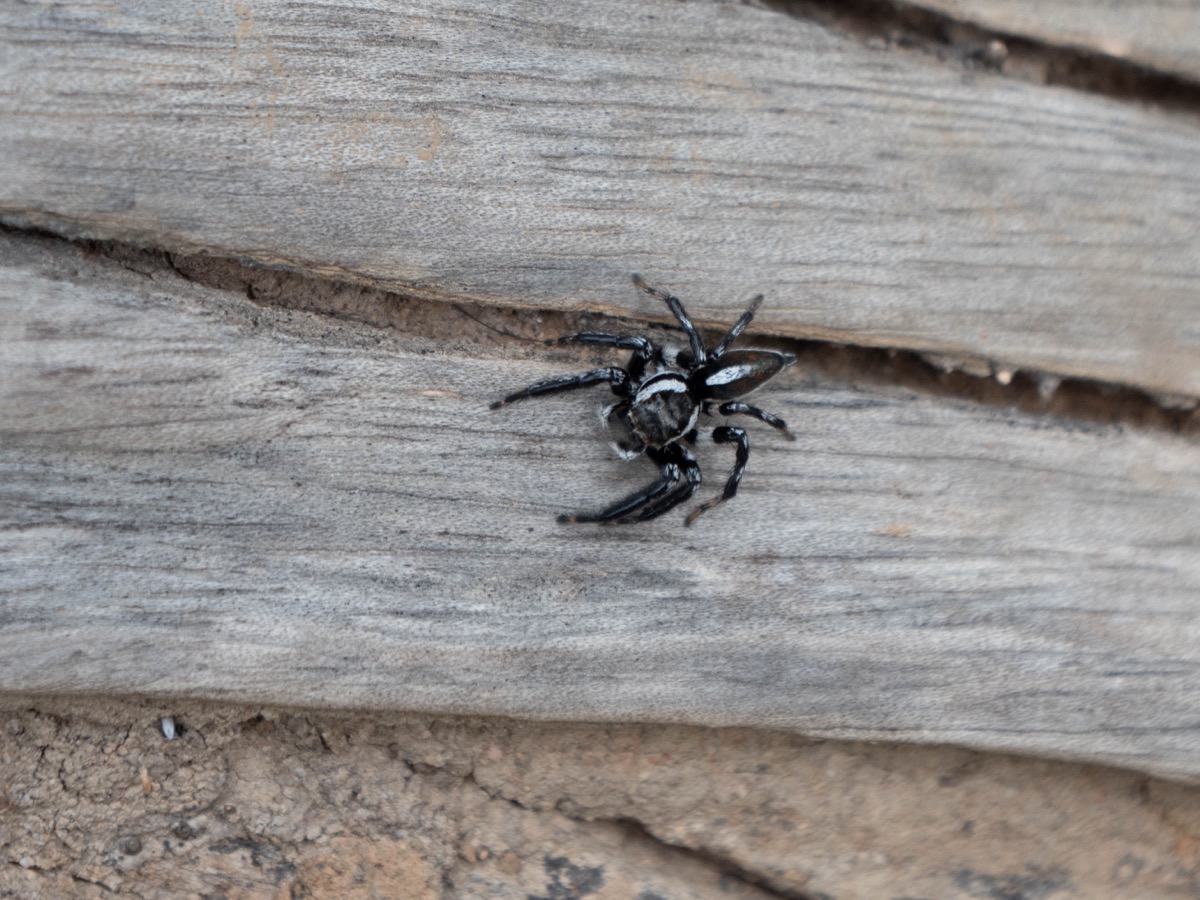
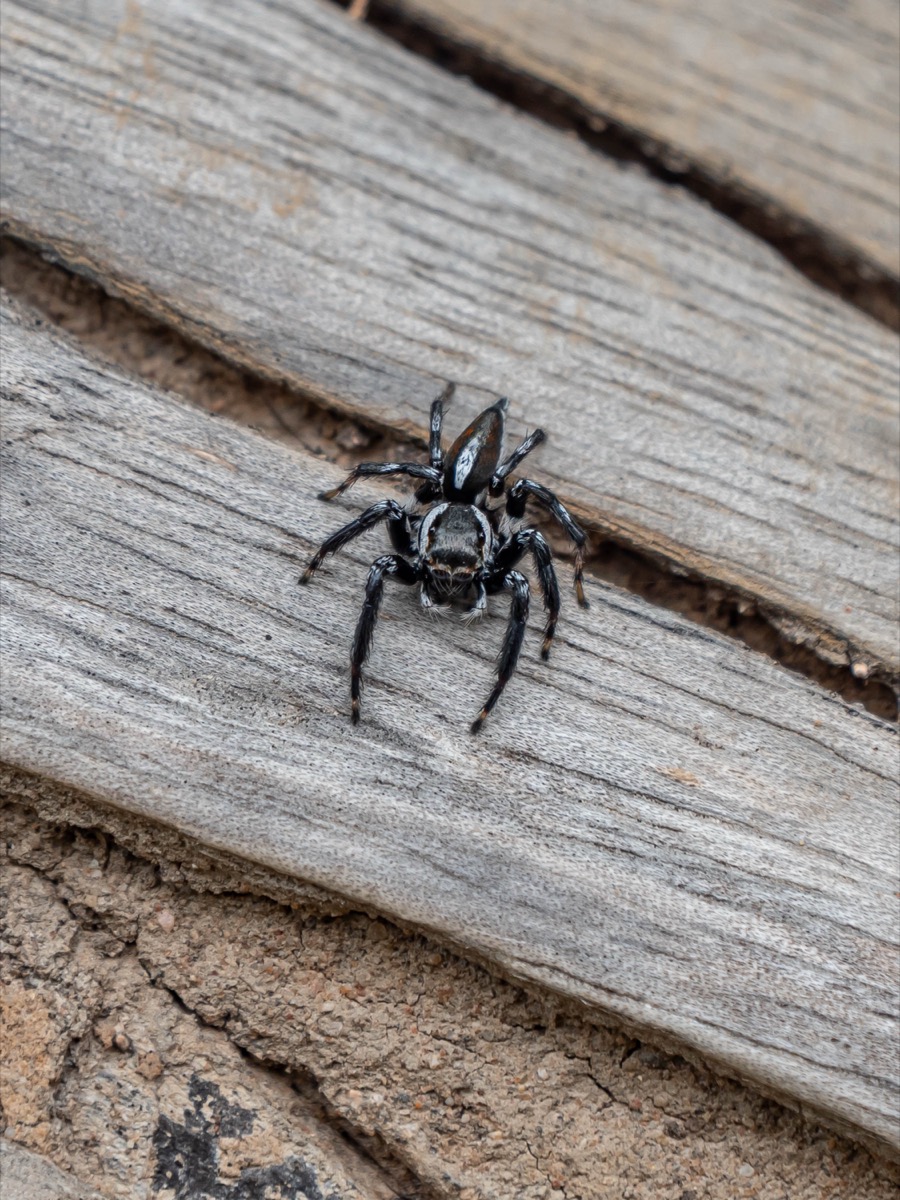
The Salticidae are one of the best known and most fascinating spider families. They are nicknamed jumping spiders because of their movement by leaps, which they use to hunt or flee.
👁️ Exceptional Vision
Salticidae possess four pairs of eyes, including two very large frontal eyes that provide exceptional binocular vision. This allows them to:
- Accurately estimate distances
- Track movements
- Exhibit complex visual behaviors, sometimes considered a form of curiosity
🕷️ Behavior
Unlike spiders that weave webs, Salticidae are active hunters. They explore their environment, often during the day, and leap onto their prey with remarkable precision.
🌍 Distribution
They are present in almost all habitats:
- On foliage or trunks
- On the ground in sunny areas
- In human constructions
- Very common in tropical regions, notably Southeast Asia
📸 Macrophotography
Salticidae are ideal subjects for macrophotography because of:
- Their dynamic behavior
- Their expressive gaze
- Their variety of colors and shapes
🧬 Taxonomy
There are more than 6,000 described species in this family. Below are the genera and species I have observed and photographed:
Salticidae – Jumping Spiders
Salticidae, or jumping spiders, form a fascinating family distinguished by their active jumping behavior and exceptional vision. About 500 genera were recorded as of 2021.
They generally have a compact body, robust legs, and large well-developed eyes at the front of their head. Their colors and patterns vary widely, with many species showing bright colors and distinct markings.
Jumping spiders can leap short distances, sometimes up to 50 times their own body length.
This is the most represented spider family.
-
Salticidae belong to the Dionycha clade, alongside Gnaphosidae, which explains why they are sometimes compared or grouped in phylogenetic analyses.
-
However, Salticidae are not classified within a clearly defined superfamily such as Gnaphosoidea or Araneoidea.
-
They are often considered a standalone family due to their unique morphology (large frontal eyes, complex visual behavior, jumping locomotion, etc.).
(Wayne P. Maddison, Melissa R. Bodner, and Karen M. Needham, “Salticid spider phylogeny revisited, with the discovery of a large Australasian clade (Araneae: Salticidae)”, Zootaxa, vol. 1893(1), 2008, pp. 49–64)
List of Salticidae genera (external link Araneae)
Another list - Maddison 2015 classification
Genus Carrhotus
(Tamerlan Thorell, 1891)
This genus contains 30 species (June 2019).
Carrhotus spiders are small with a compact body and relatively short legs. They have a general appearance similar to other jumping spiders, with prominent eyes and especially large frontal eyes that give them excellent vision.
The genus Carrhotus is mainly found in tropical and subtropical regions of Asia, Africa, Australia, and other parts of the world. These spiders occupy various habitats such as forests, grasslands, gardens, wooded areas, and urban zones.
Carrhotus Xanthogramma – Orange Jumping Spider
| Order | Aranea |
|---|---|
| Family | Salticidae |
| Genus | Carrhotus |
| Species | Xanthogramma |
| Identifier | Latreille |
| Year identified | 1819 |
| Male size min | 5.1mm |
| Male size max | 7.1mm |
| Female size min | 7.1mm |
| Female size max | 8mm |
| Color | yellow-brown with brown stripes / males black-orange |
| Prosoma/Cephalothorax | – |
| Opisthosome/Abdomen | oval |
| Spider legs | male: black with slightly orange rings |
| Habitat | dry grass |
| Start period | February |
| End period | November |
| Zone | Palearctic zone |
| Particularity | dense hair, marked sexual dimorphism |
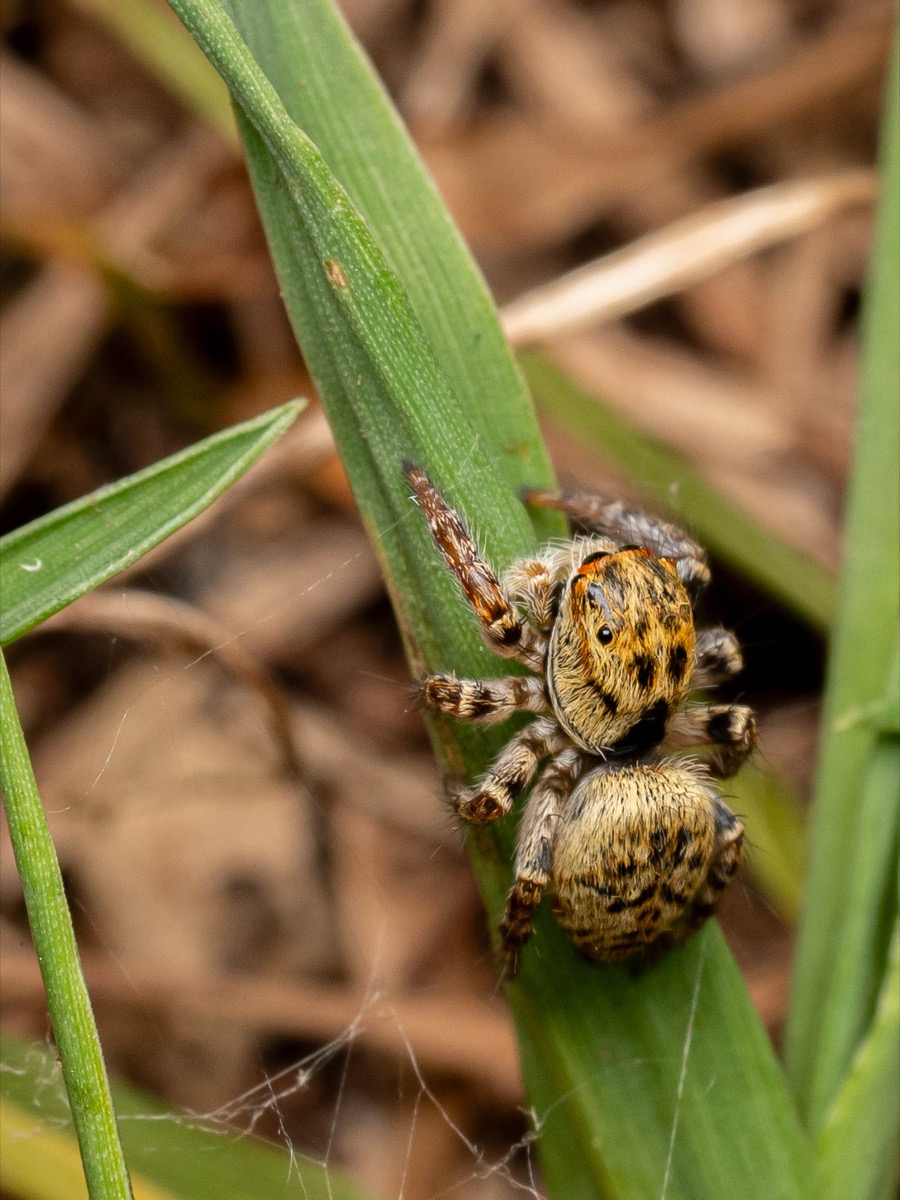
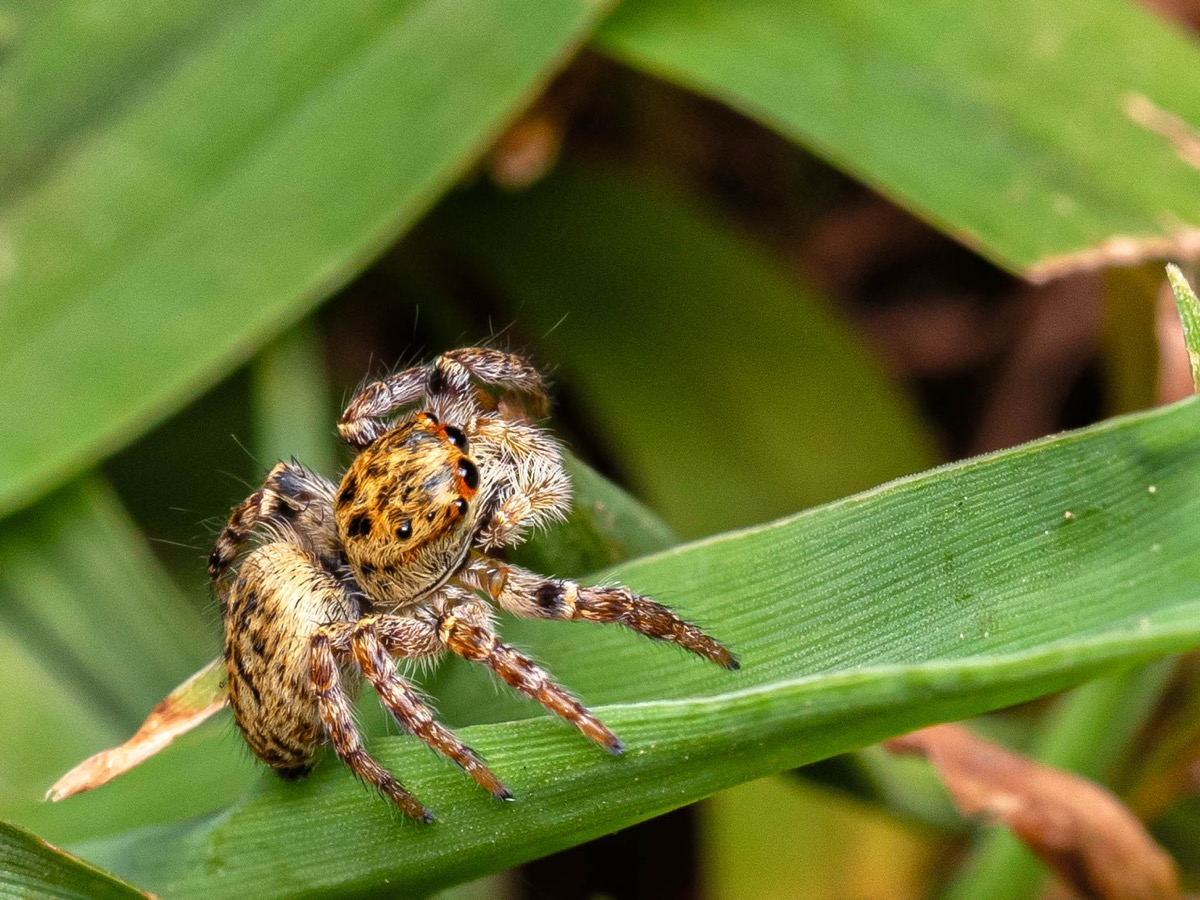
I found this Carrhotus xanthogramma, the Orange Jumping Spider, in the grass in Ticino, Switzerland. I was surprised by its particularly small size. Photographing jumping spiders is always very fun. This spider is very curious and seems to pose.

References:
https://www.gbif.org/species/2175047
https://en.wikipedia.org/wiki/Carrhotus_xanthogramma
Genus Cosmophasis
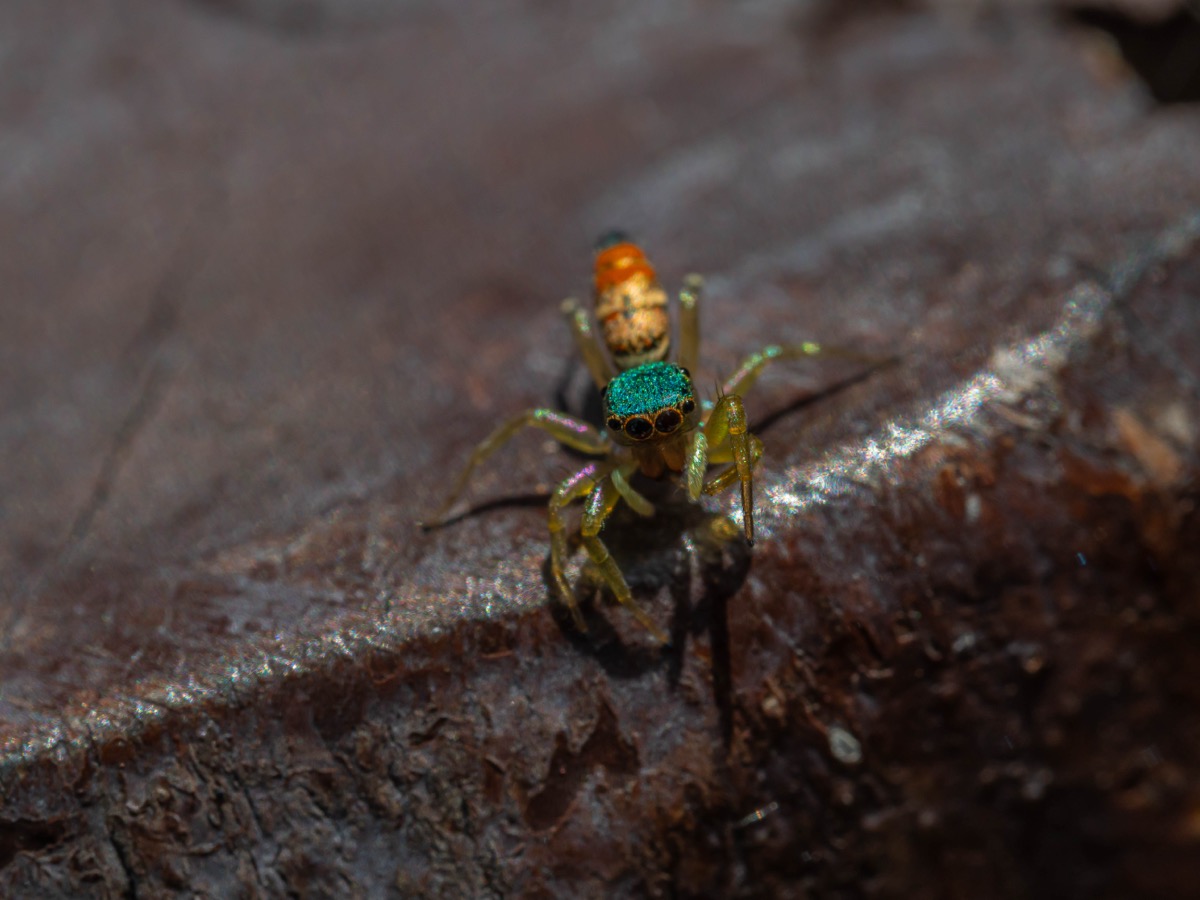
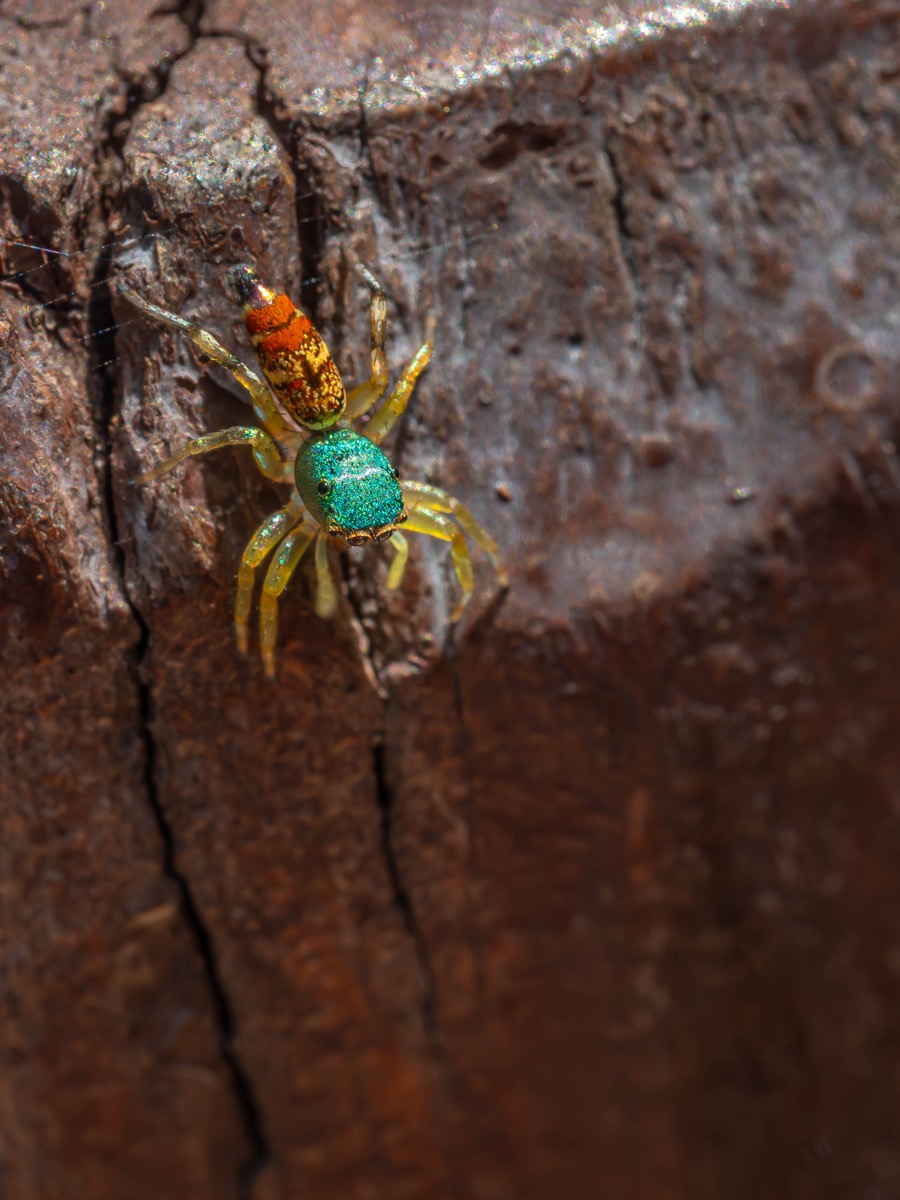
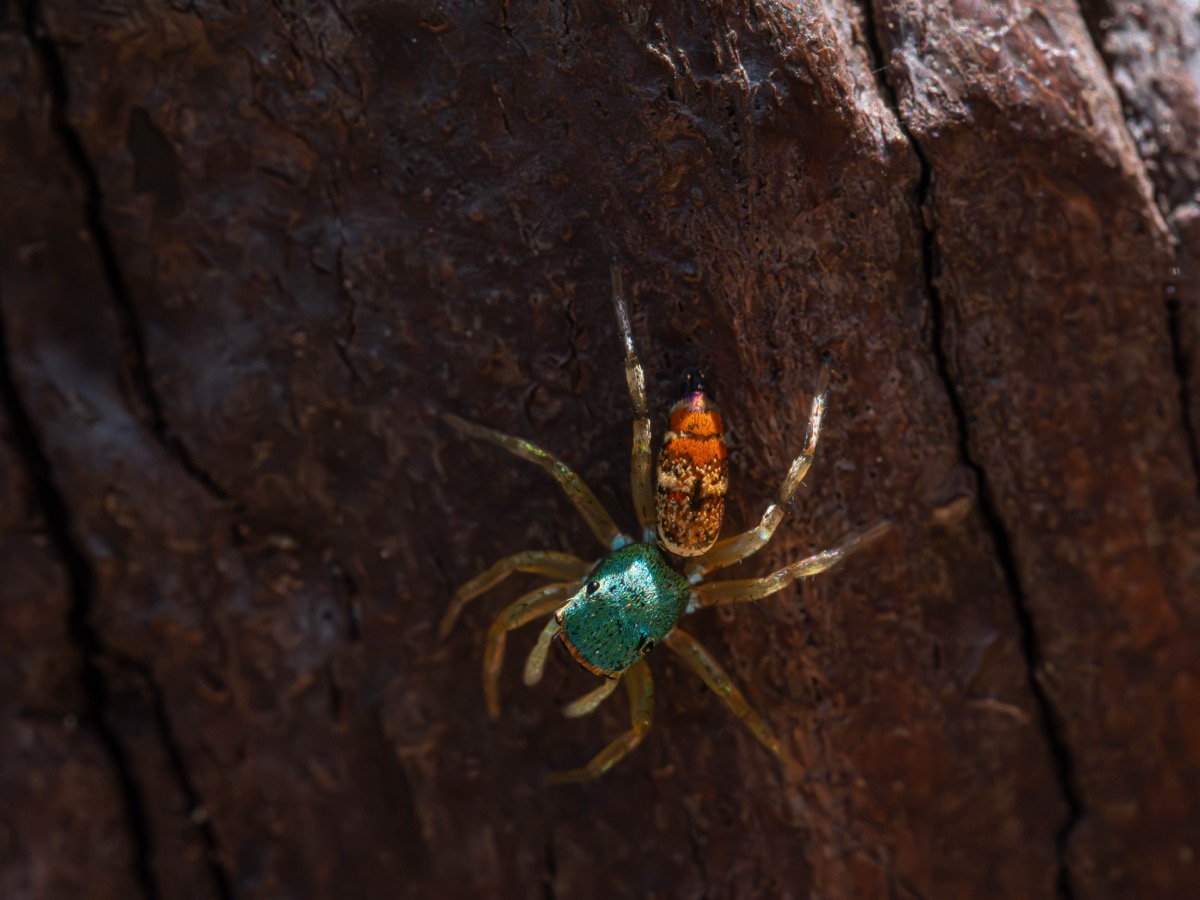
Spiders of the genus Cosmophasis are small and generally modest in size. They are characterized by bright colors and bold patterns, making them particularly visually attractive. These bright colors are often used for mimicry and camouflage, allowing them to blend into their environment or deter potential predators.
Cosmophasis spiders are primarily found in tropical and subtropical regions of Asia, especially Southeast Asia, India, China, Indonesia, and other countries in the region. They occupy various habitats such as forests, gardens, wooded areas, and urban environments.
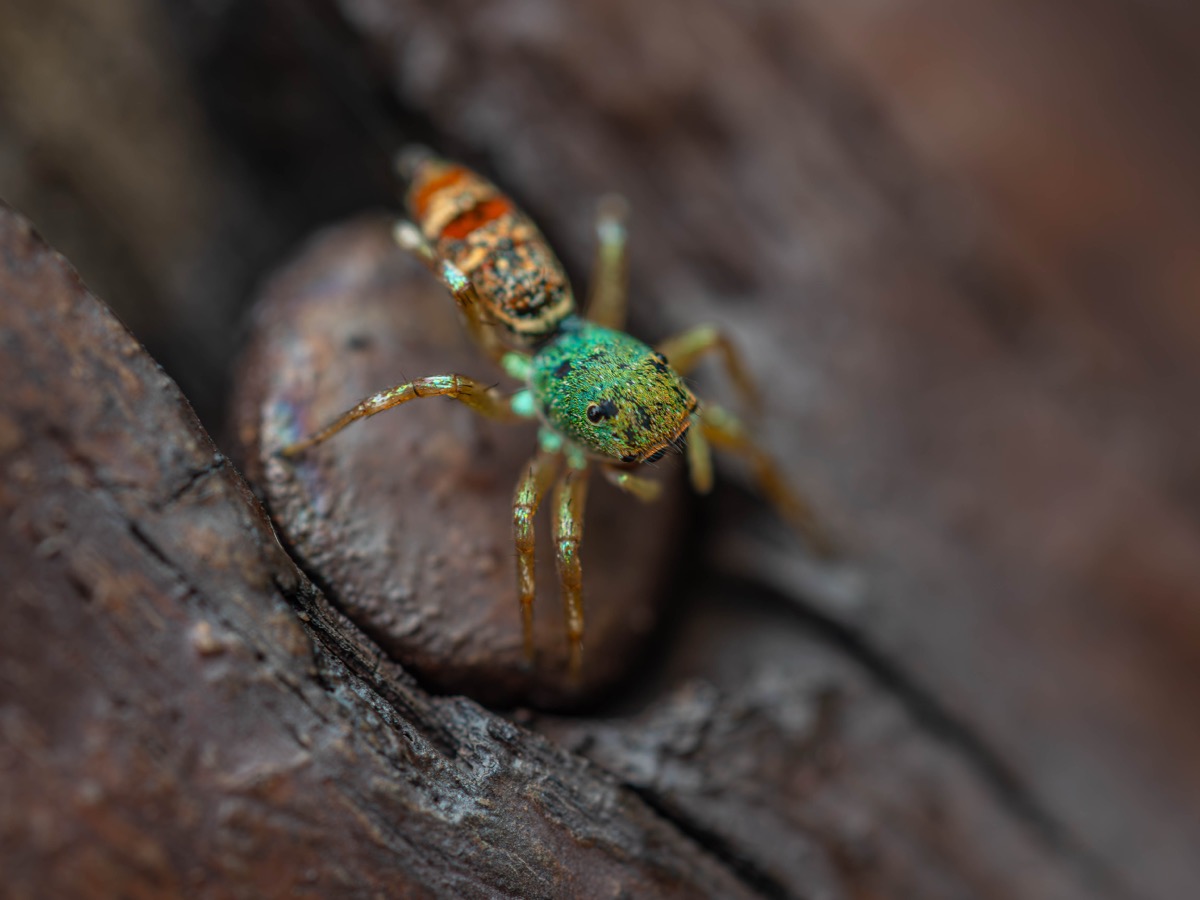
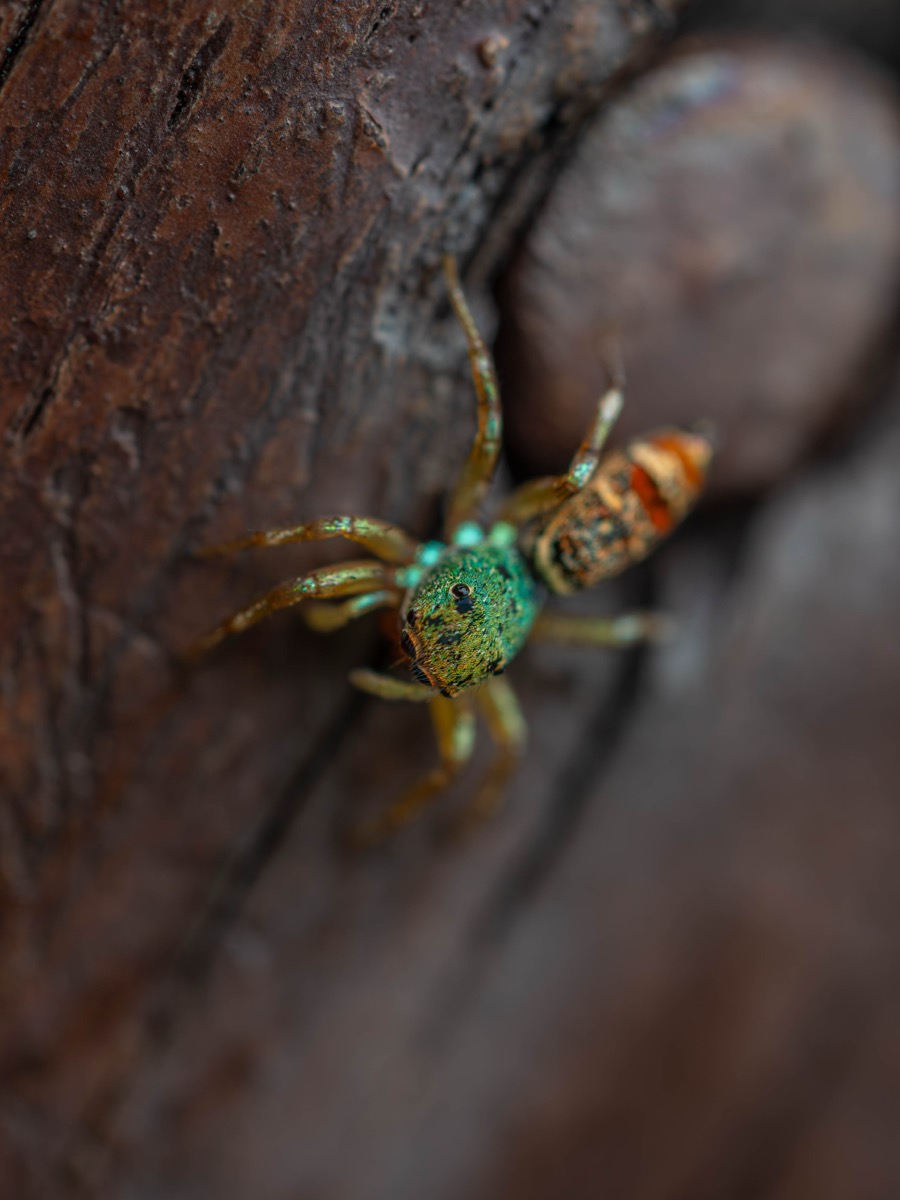
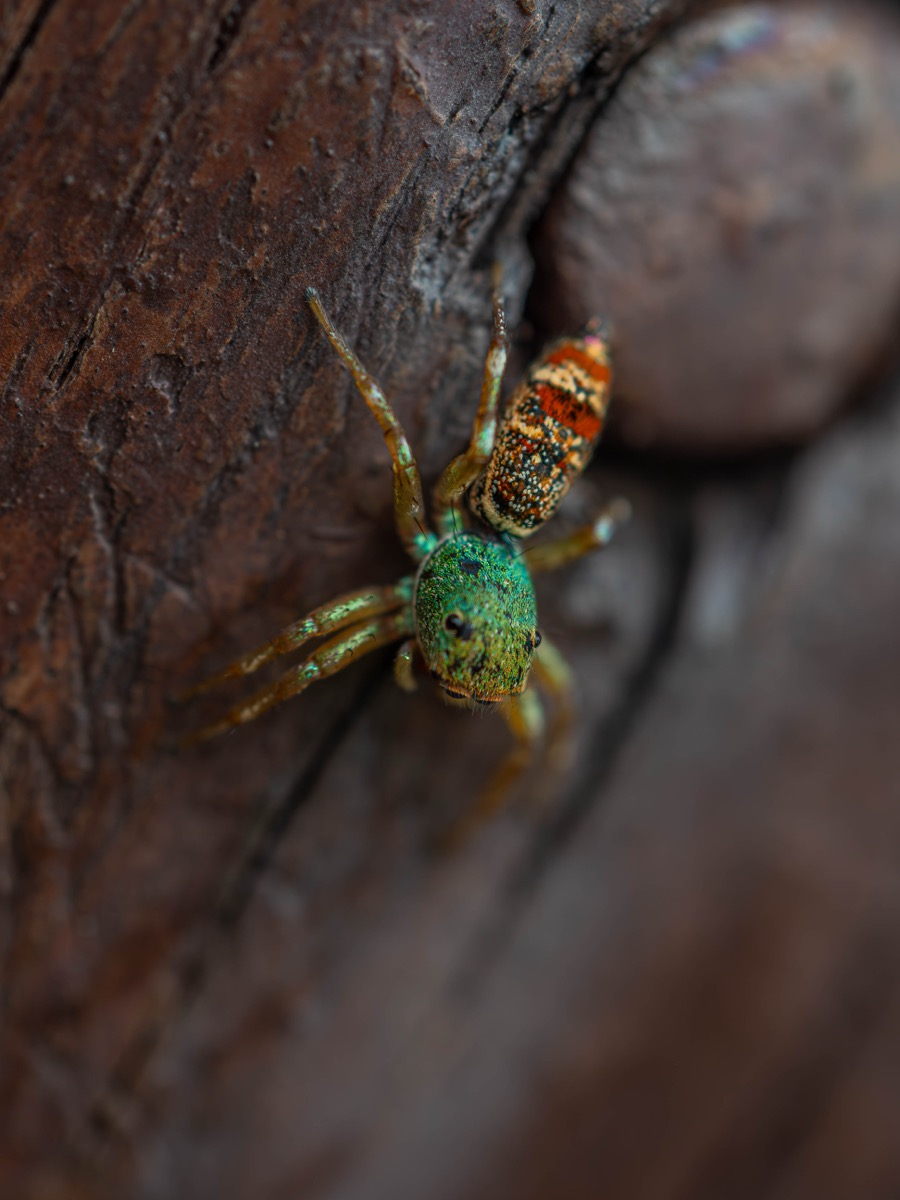
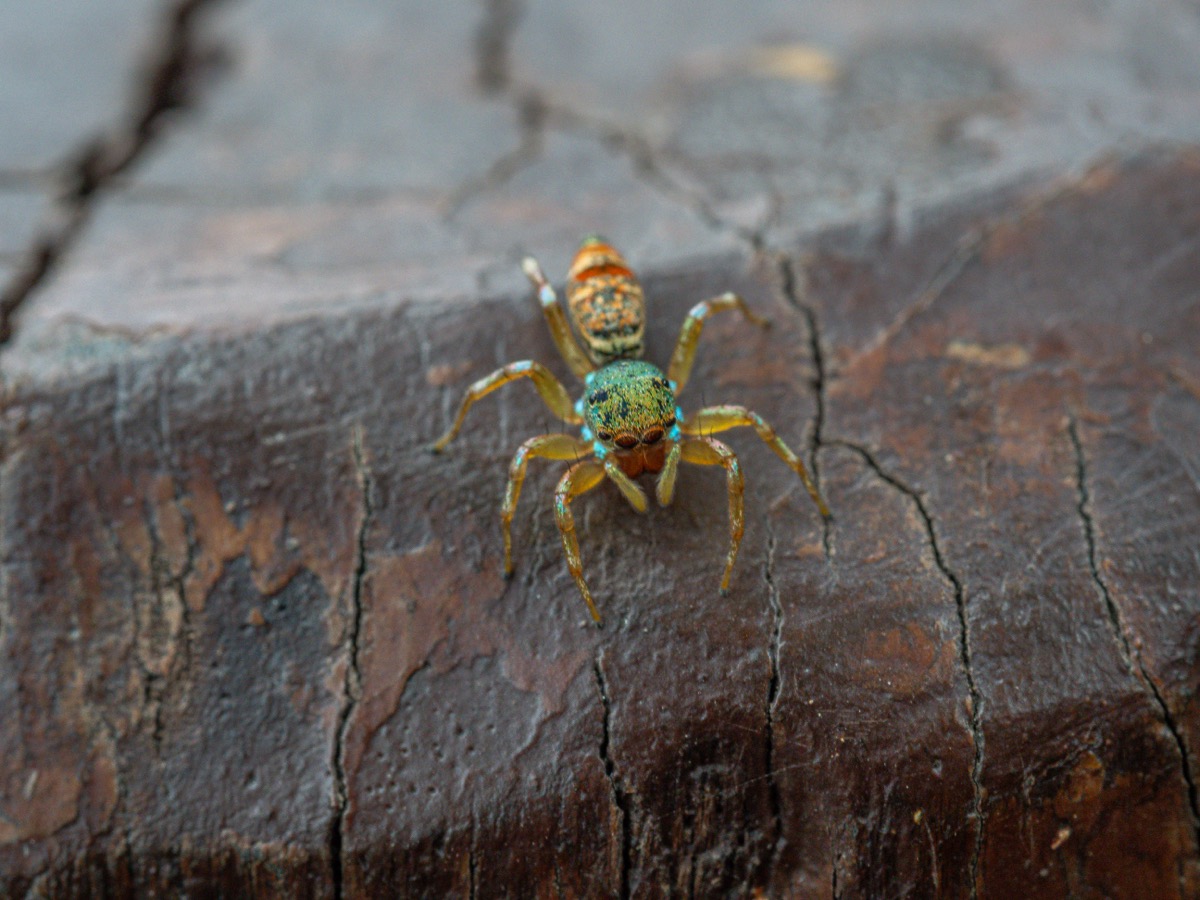
Cosmophasis sp
Cosmophasis thalassina
| Order | Aranea |
|---|---|
| Family | Salticidae |
| Genus | Cosmophasis |
| Species | sp (thalassina??) |
| Identifier | Koch |
| Year identified | 1846 |
| Male size min | 5 |
| Male size max | 5 |
| Female size min | 8 |
| Female size max | 8 |
| Color | |
| Prosoma/Cephalothorax | |
| Opisthosome/Abdomen | |
| Legs | |
| Habitat | |
| Web | does not weave webs |
| Period start | January |
| Period end | December |
| Zone | Oceania, South Asia |
| Particularities |
Difficult to identify this Salticidae genus or family. The photo is poor quality as it comes from a film segment I made in Koh Samui, Thailand, in 2014. The spider moved very quickly. I believe this is a Cosmophasis thalassina. It could be confused with Bagheera kiplingi, but this species is, to my knowledge, not present in Asia.

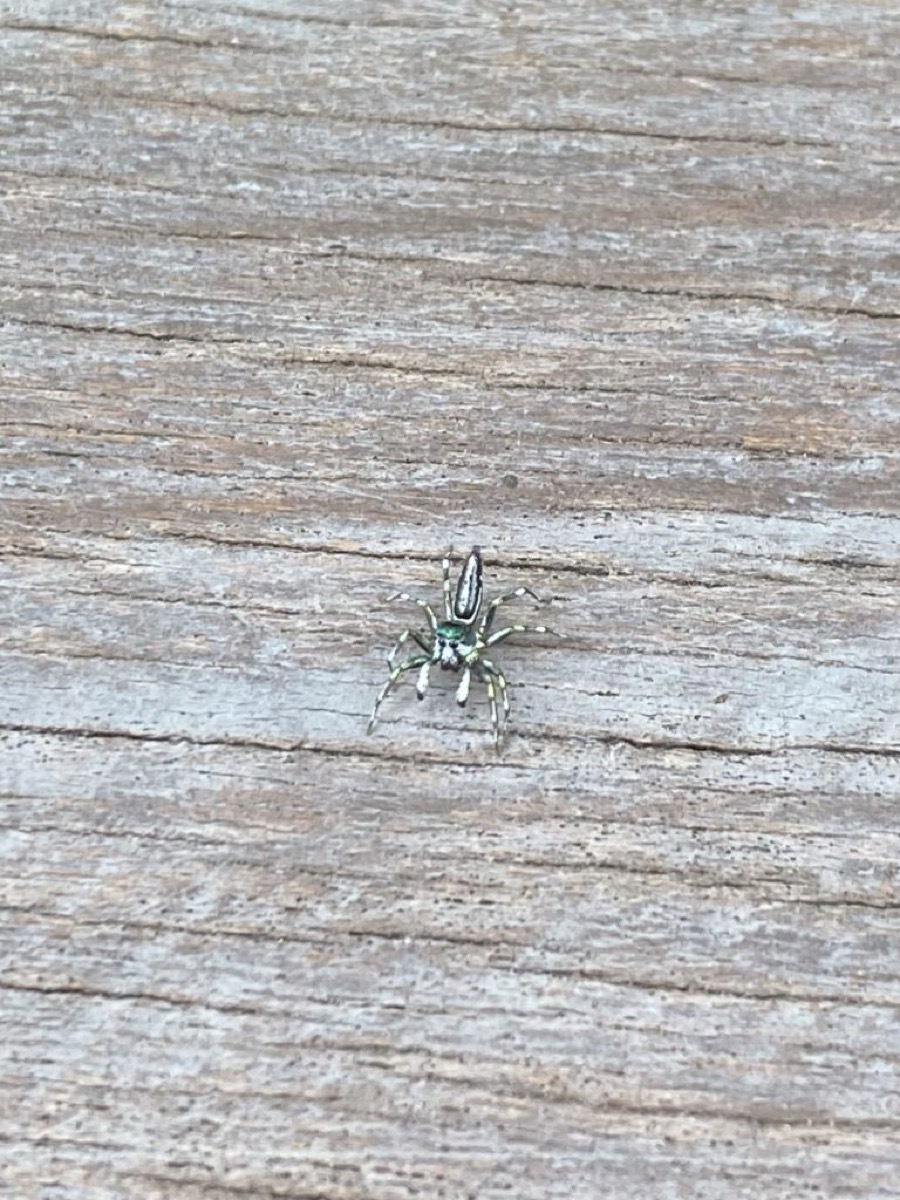
Probably Cosmophasis thalassina, July 2014, Koh Samui, Thailand
References:
https://www.gbif.org/species/2168426
https://en.wikipedia.org/wiki/Cosmophasis_thalassina
https://wsc.nmbe.ch/species/28894
https://www.arachne.org.au/01_cms/details.asp?ID=2143
Genus Epocilla
Species of this genus are found in Southeast Asia, South Asia, East Asia, and Mauritius. Epocilla calcarata has been introduced to Hawaii and Seychelles.
Epocilla Calcarata
| Order | Aranea |
|---|---|
| Family | Salticidae |
| Genus | Epocilla |
| Species | Calcarata |
| Identifier | Karsch |
| Year identified | 1880 |
| Male size min | 6 |
| Male size max | 7 |
| Female size min | 7 |
| Female size max | 8 |
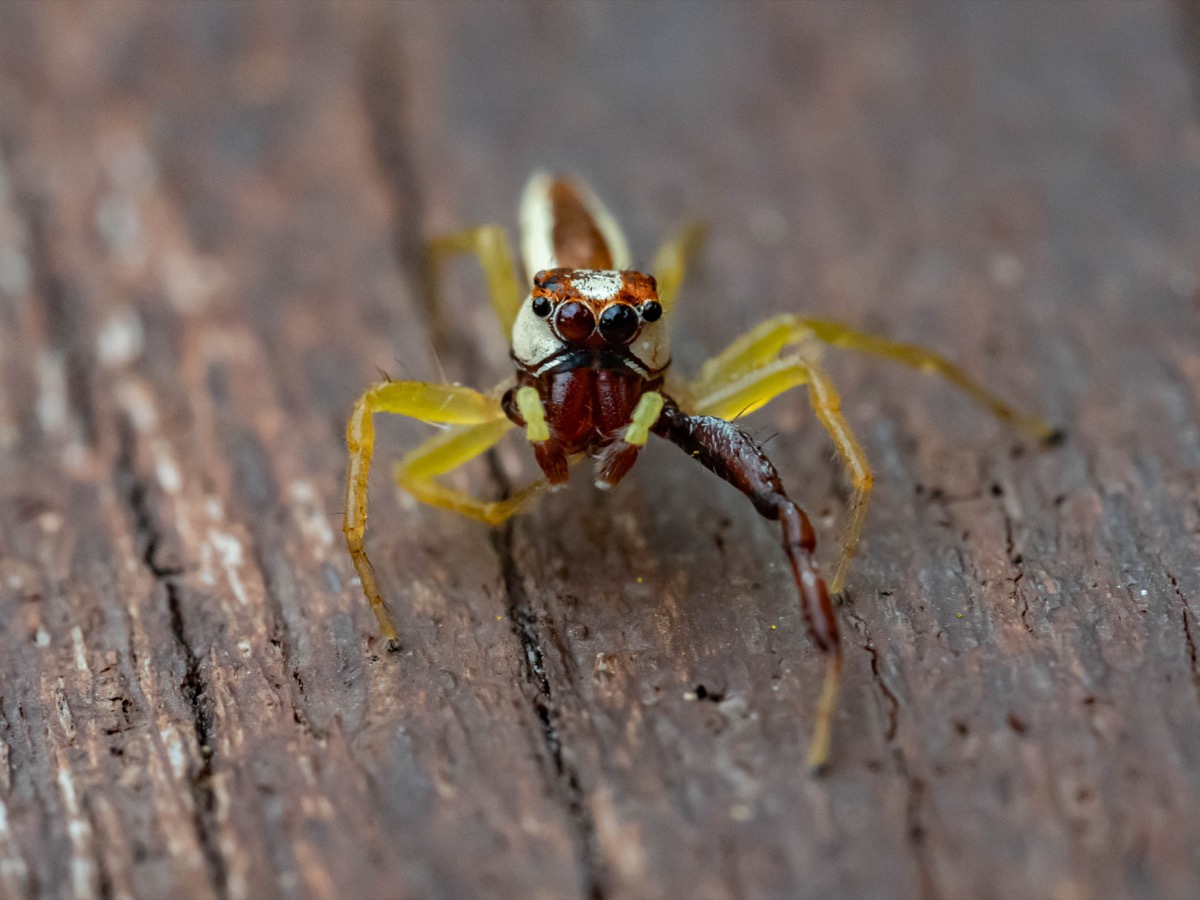
| Color | White, red and yellow (female) / Yellow and brown-red (male) |
| Prosoma/Cephalothorax | White and red bands in female / yellow and brown-red bands in male |
| Opisthosome/Abdomen | White tear-shaped with red markings in female / elongated yellow with brown-red markings in male |
| Legs | Yellow in female / brown front legs in male |
| Habitat | Bushes, warm and humid areas |
| Web | does not weave webs |
| Period start | January |
| Period end | December |
| Zone | Asia |
| Particularities | Confused with epocilla praetextata and aurantiaca |


References:
https://www.gbif.org/species/2177844
https://wsc.nmbe.ch/species/29165/Epocilla_calcarata
http://www.dipode-vie.net/Arachnides/Salticidae/Epocilla/calcarata.html
Genus Evarcha
Spiders of this genus are also known as zebra jumping spiders due to their distinct black and white markings resembling zebra stripes.
Evarcha Jucunda
| Order | Aranea |
|---|---|
| Family | Salticidae |
| Genus | Evarcha |
| Species | Jucunda |
| Identifier | Lucas |
| Year identified | 1846 |
| Male size min | 5.1 |
| Male size max | 6.3 |
| Female size min | 5.5 |
| Female size max | 7.4 |
| Color | Brown-beige / Dark brown / Beige |
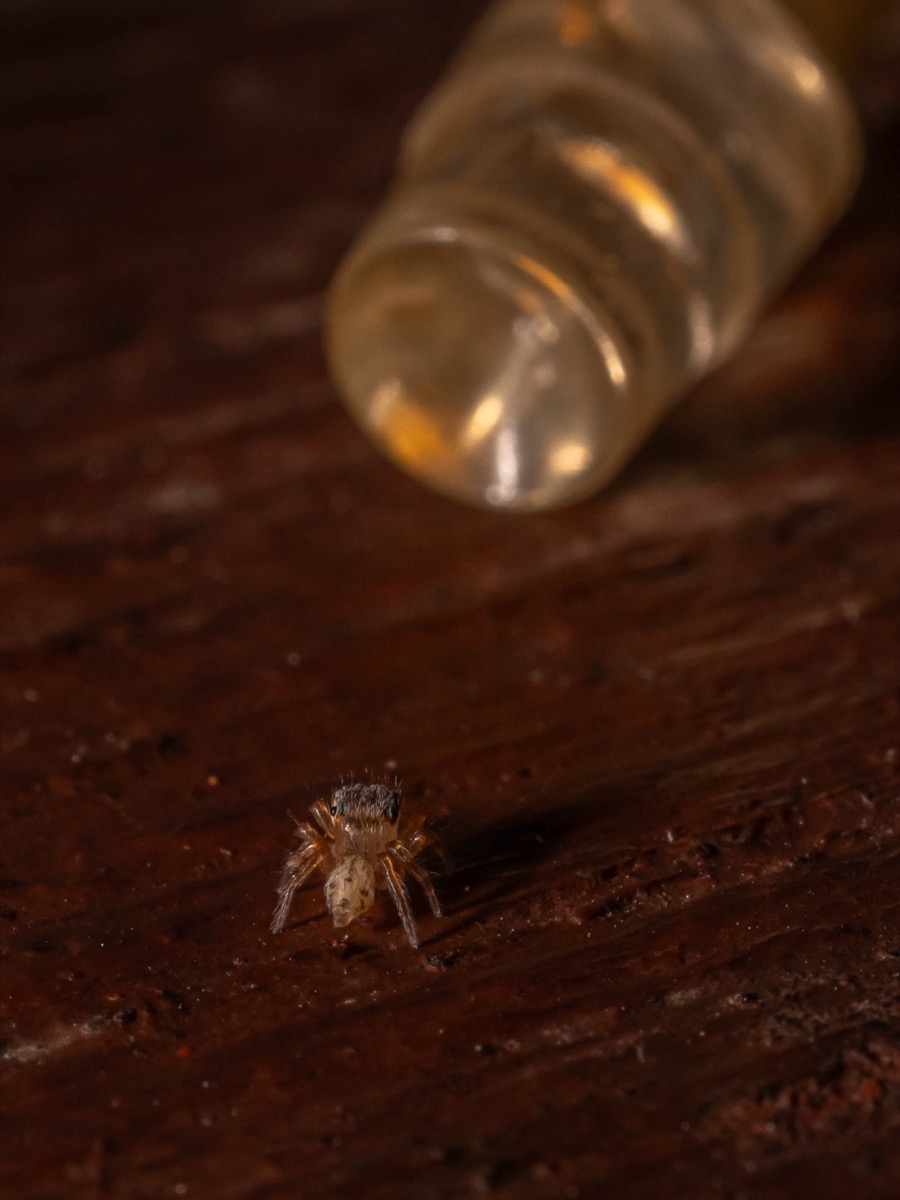
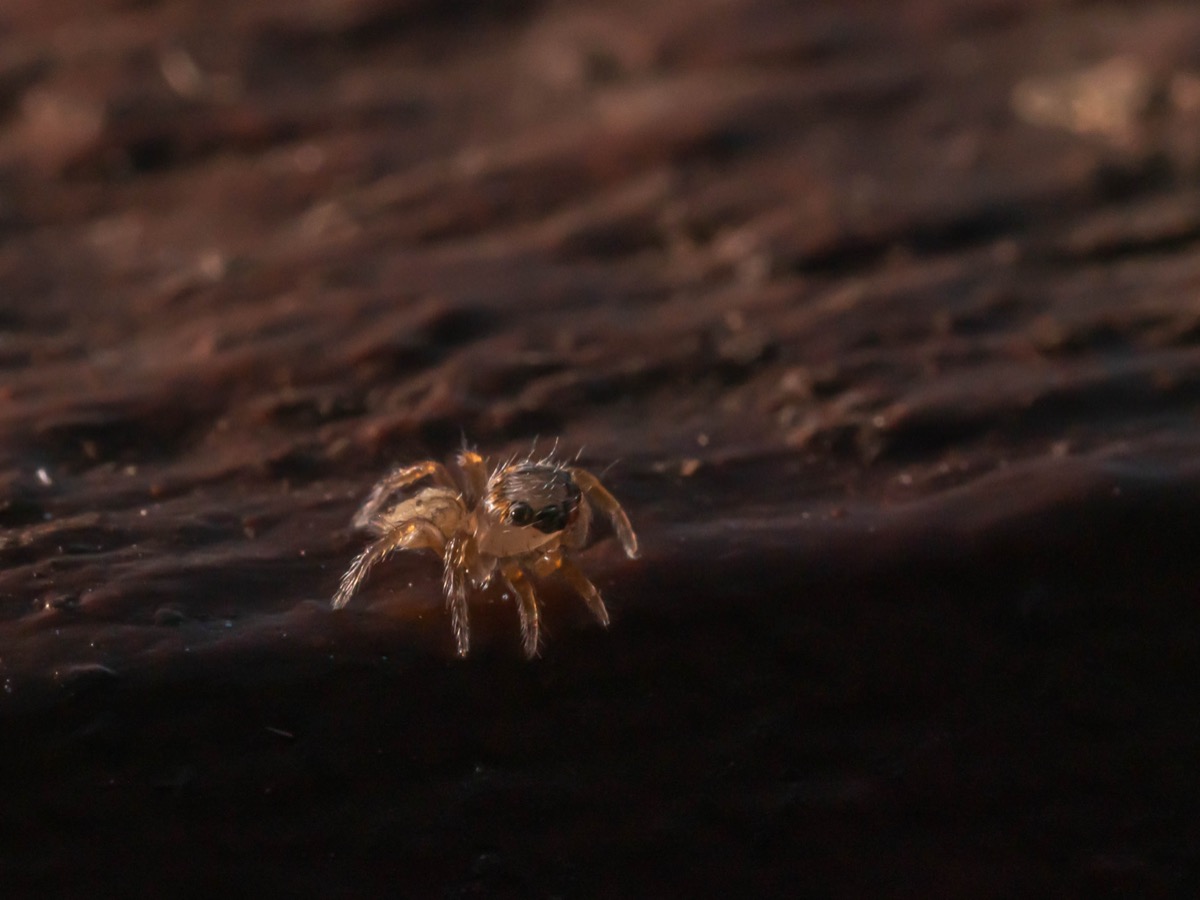
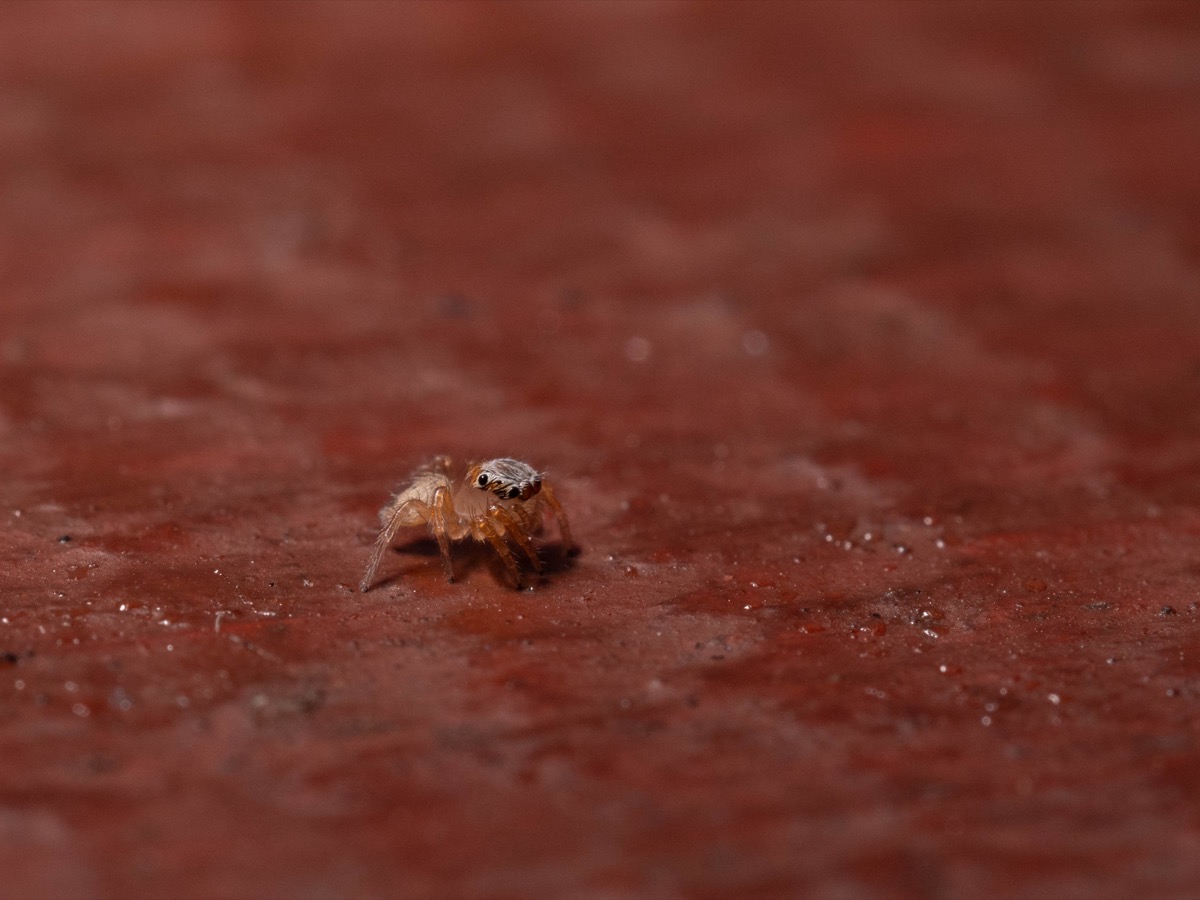
| Prosoma/Cephalothorax | brown-beige (female), brown-black (male) with an arched white line behind |
| Opisthosome/Abdomen | teardrop-shaped, beige and spotted |
| Legs | dark in males |
| Habitat | Rocks, bushes, near ground, trees |
| Web | does not weave webs |
| Period start | January |
| Period end | December |
| Zone | Mediterranean basin |
| Particularities | light hairs under eyes / black and white pedipalps in males |
References:
https://www.gbif.org/species/2172885
https://en.wikipedia.org/wiki/Evarcha_jucunda
Les Carnets Nature de Jessica
Genus Heliophanus
Spiders of the genus Heliophanus are also called sun jumping spiders because of their active behavior and preference for sunny environments. Here is some information about this genus:
- Diurnal behavior: Spiders of the genus Heliophanus are active during the day, which distinguishes them from many other spiders that are more nocturnal. They take advantage of sunlight to hunt and move.
- Variable appearance: The genus Heliophanus includes a wide variety of species with different sizes and color patterns. Some species have distinctive marks on their body, while others have a more discreet appearance to blend into their environment.
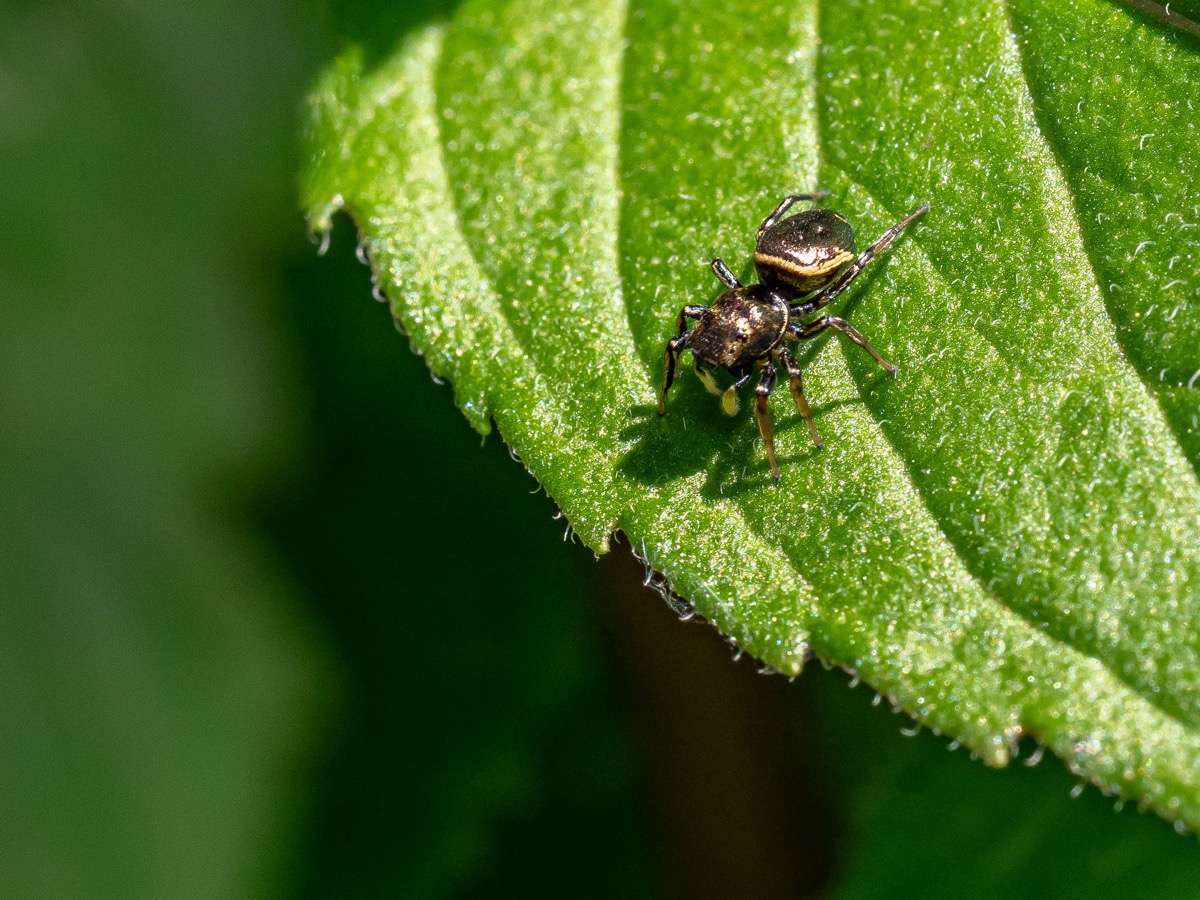
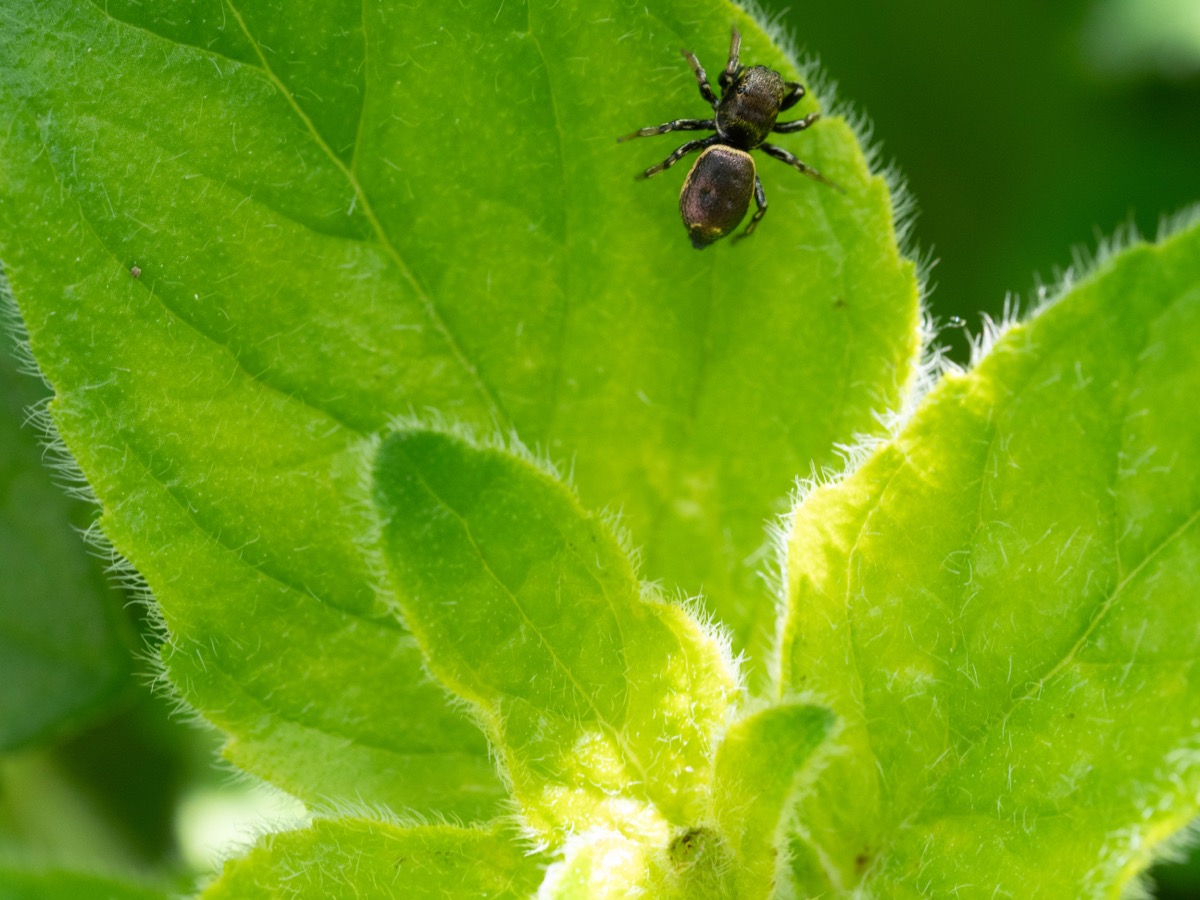
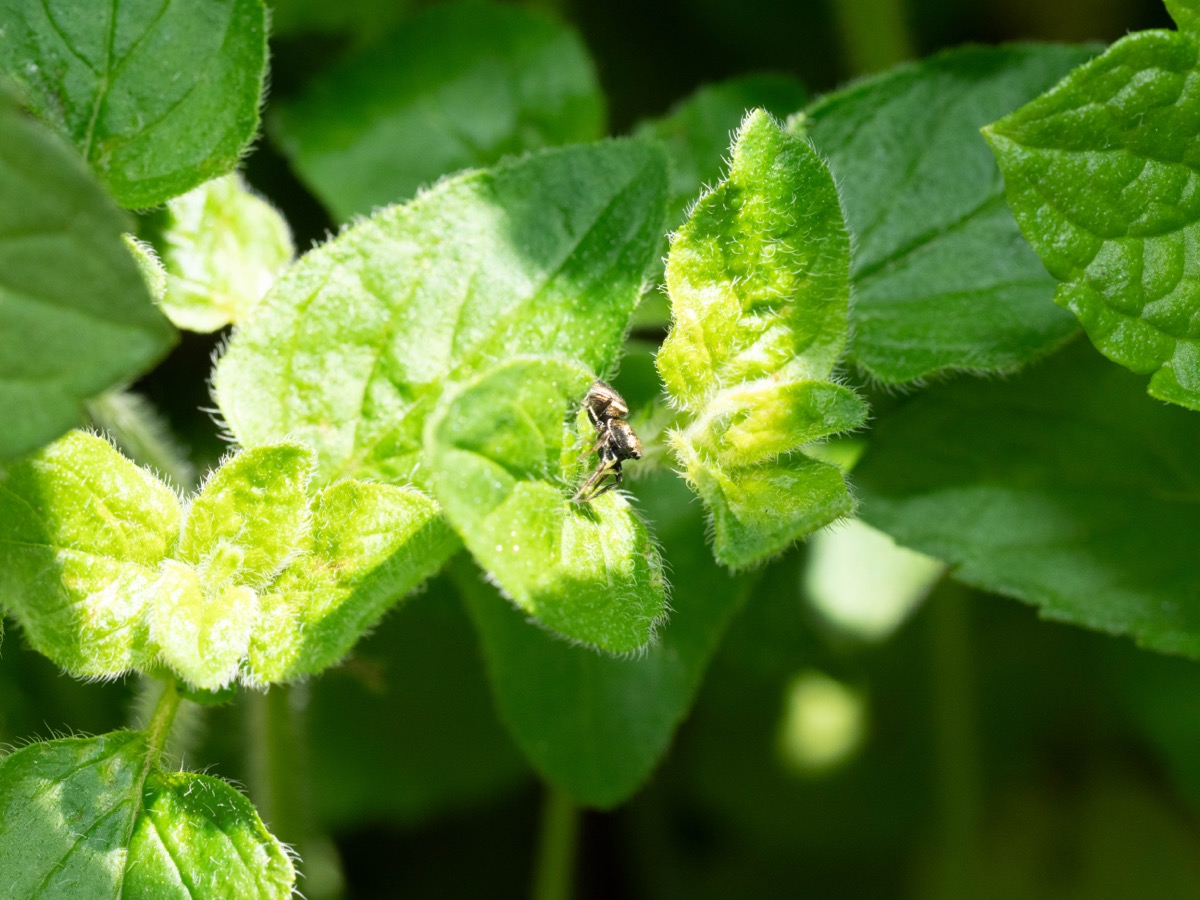
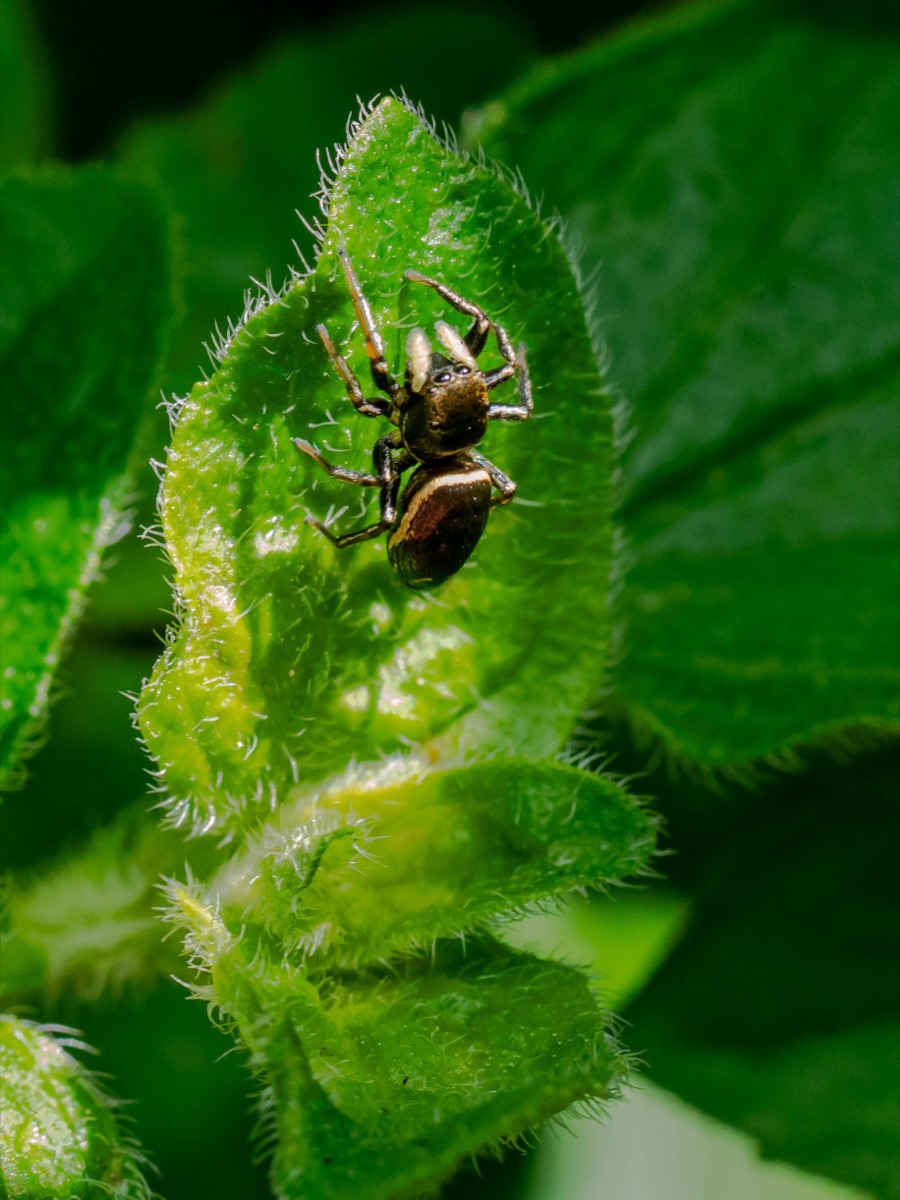
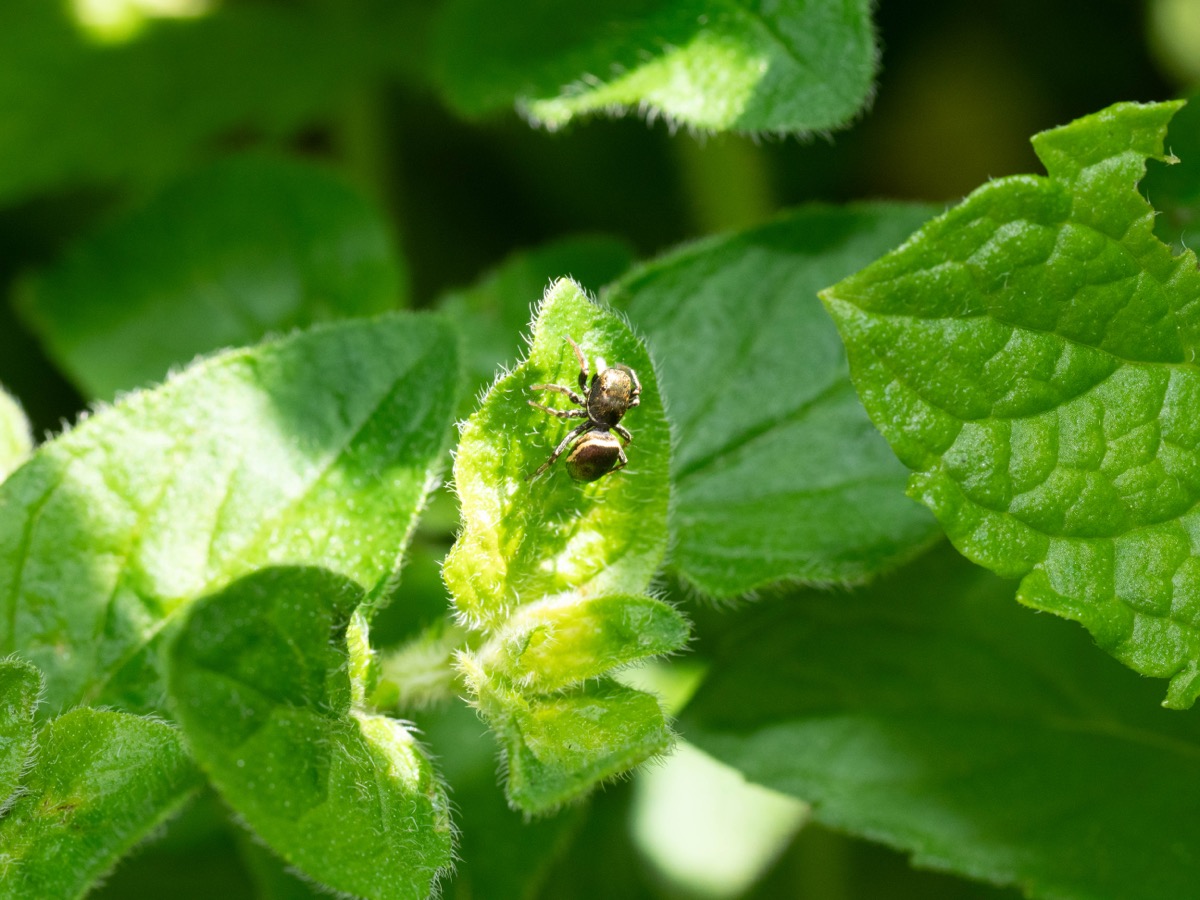
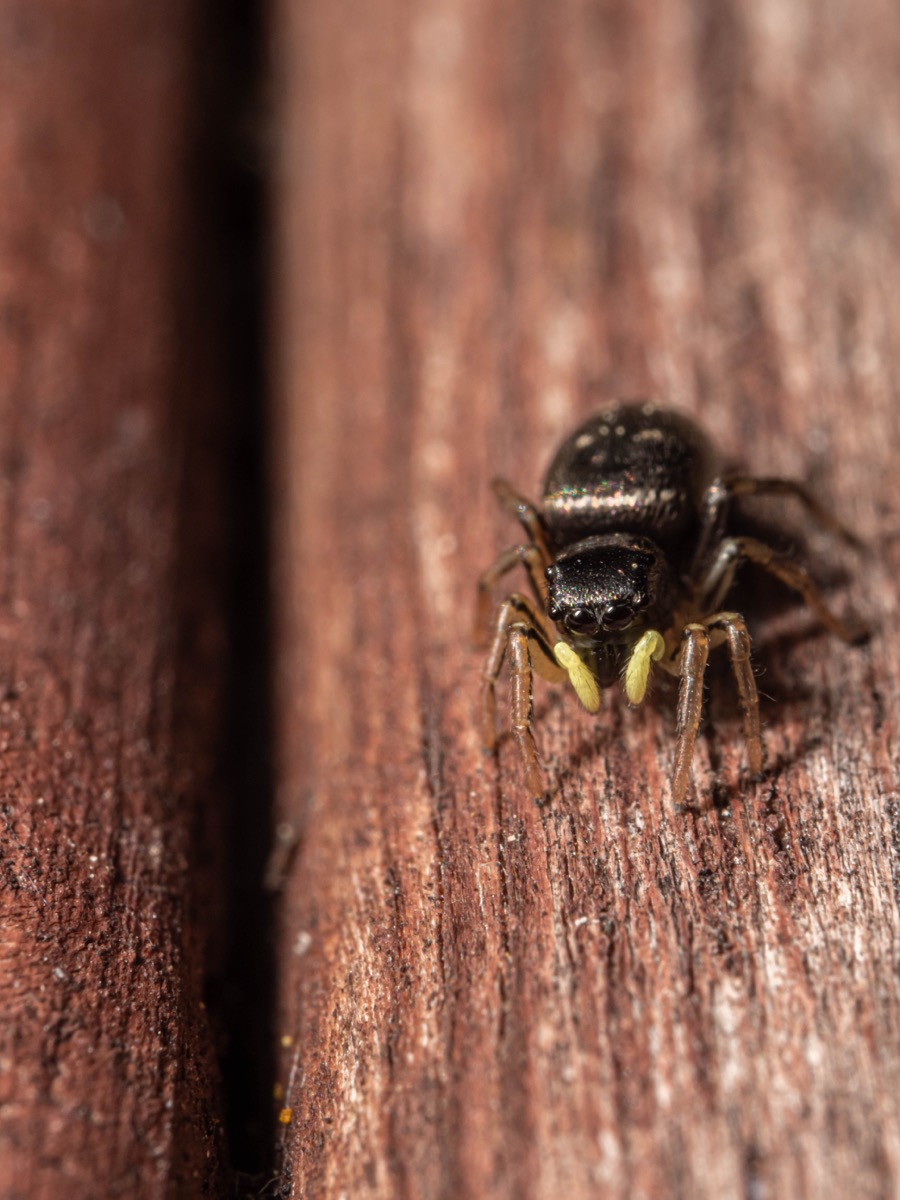
Heliophanus cupreus - Copper Heliophanus
| Order | Aranea |
|---|---|
| Family | Salticidae |
| Genus | Heliophanus |
| Species | Cupreus |
| Identifier | Walckenaer |
| Year identified | 1802 |
| Male size min | 3.6 |
| Male size max | 4 |
| Female size min | 4.6 |
| Female size max | 5.8 |
| Color | dark and shiny |
| Prosoma/Cephalothorax | lateral white lines |
| Opisthosome/Abdomen | inconstant white spots, white bordered |
| Spider legs | yellow in female and dark in male, clear hips in male |
| Habitat | Bush, Path edges, Garden |
| Web | does not weave webs |
| Period start | February |
| Period end | September |
| Zone | Palearctic zone |
| Particularity | yellow pedipalps |
References:
https://www.gbif.org/species/2171923
https://en.wikipedia.org/wiki/Heliophanus_cupreus
https://www.inaturalist.org/taxa/141758-Heliophanus-cupreus
Jessica Joachim’s Nature Notebooks
Genus Icius
This small jumping spider probably belongs to the genus Icius, which is found worldwide.
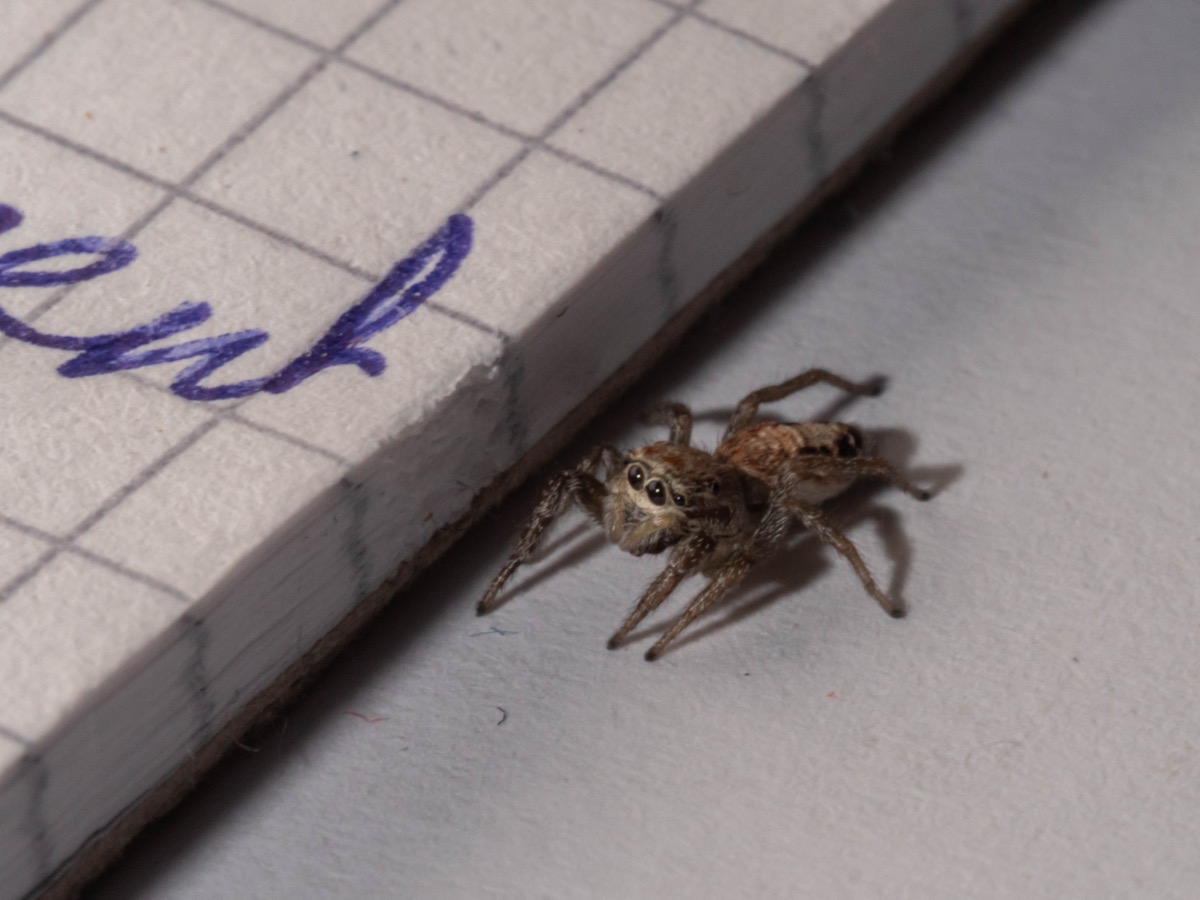
Probably Icius sp., April 2021
Genus Marpissa
Carl Ludwig Koch, 1846
This genus had 51 species in June 2019.
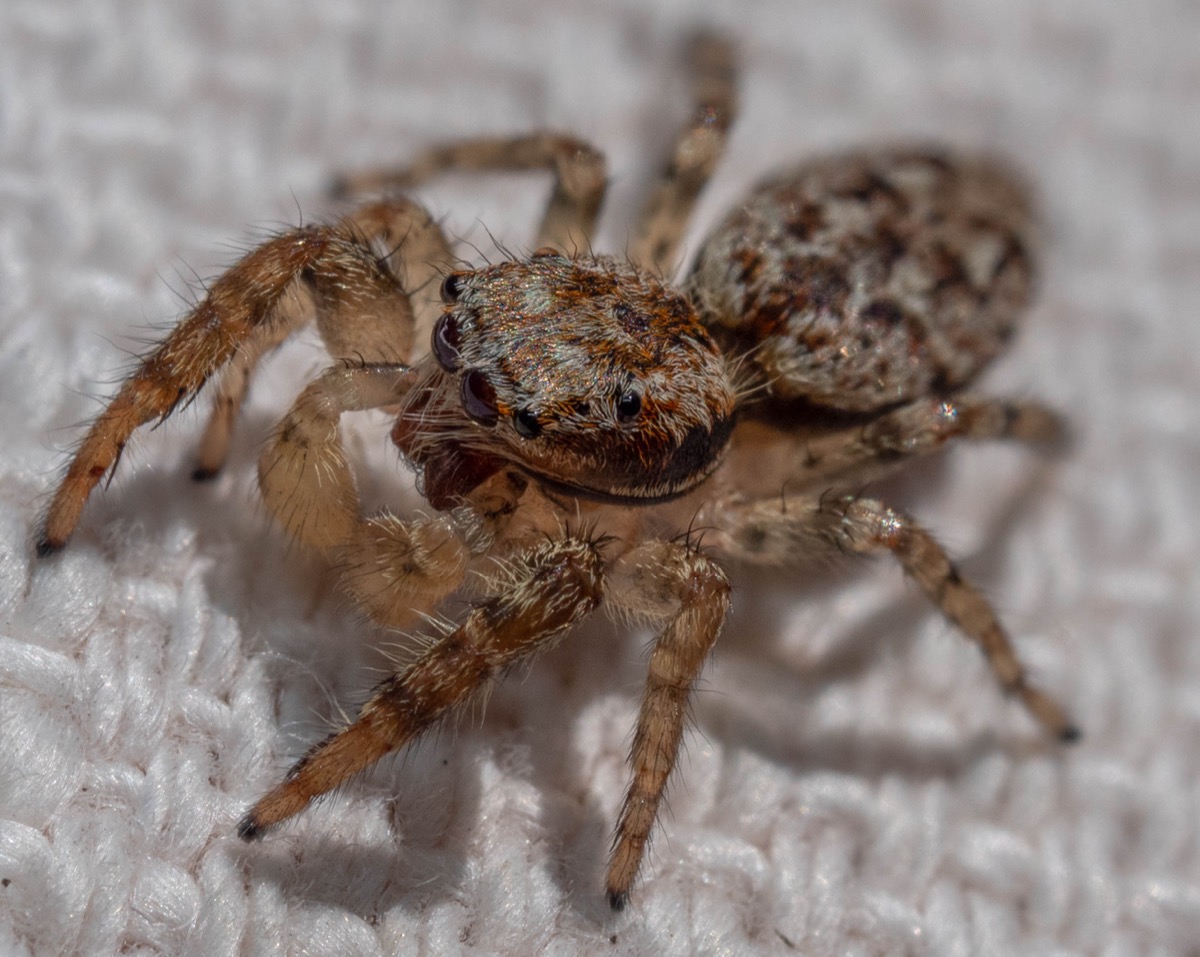
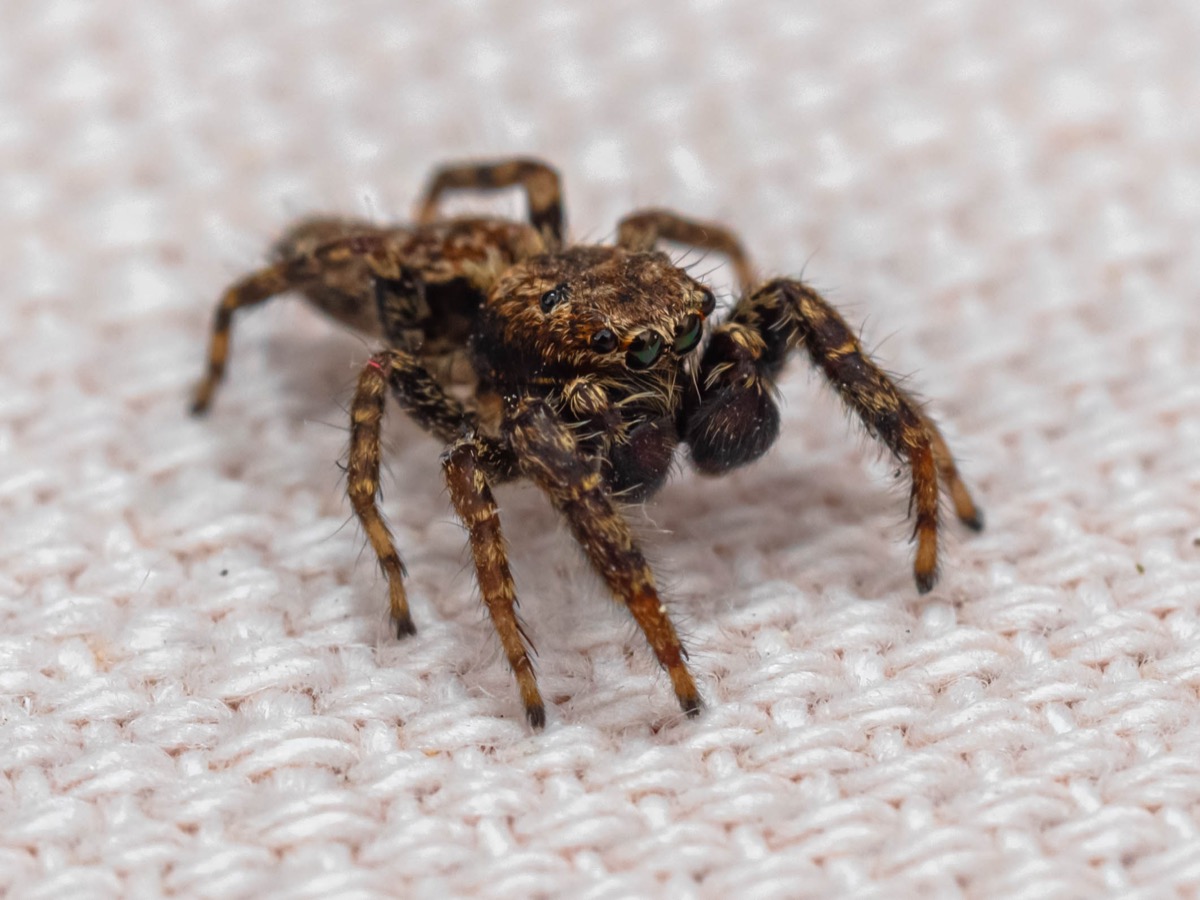
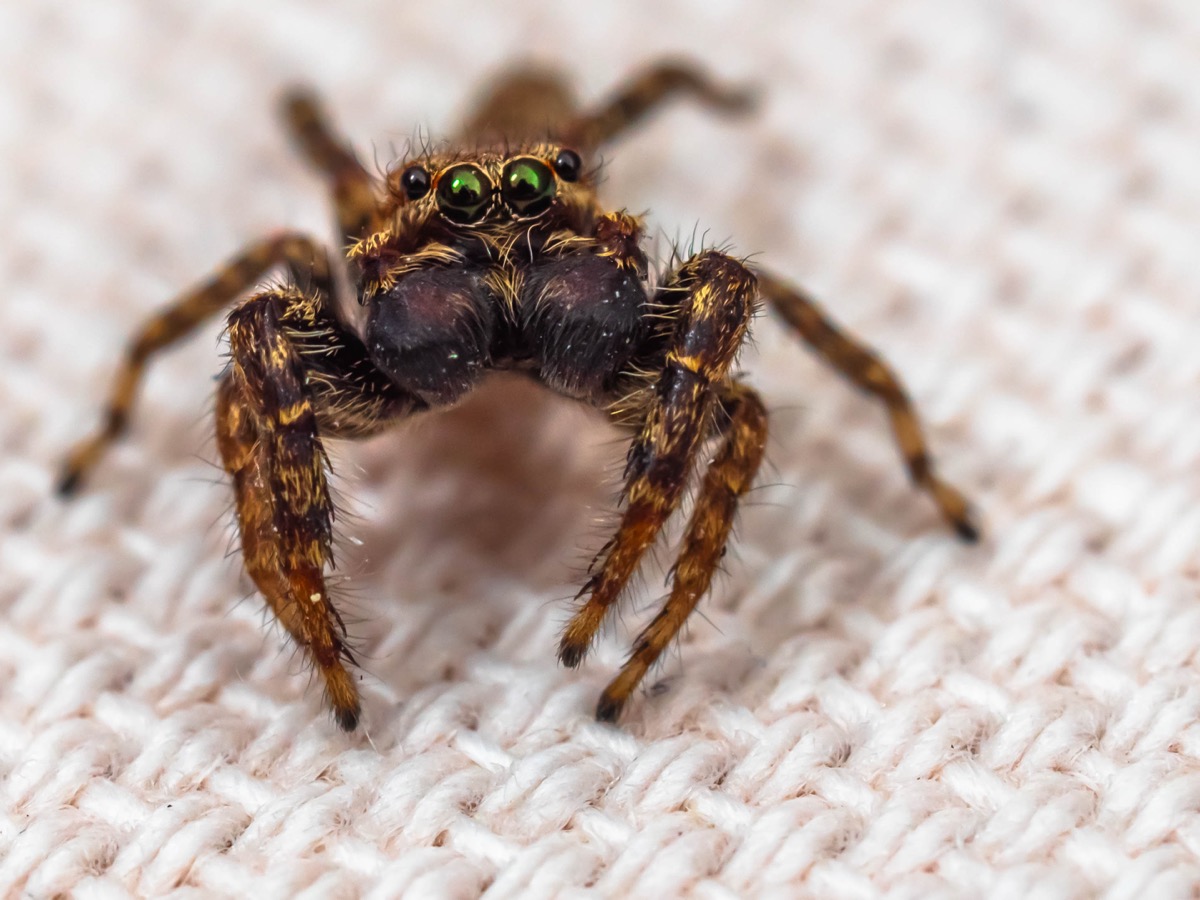
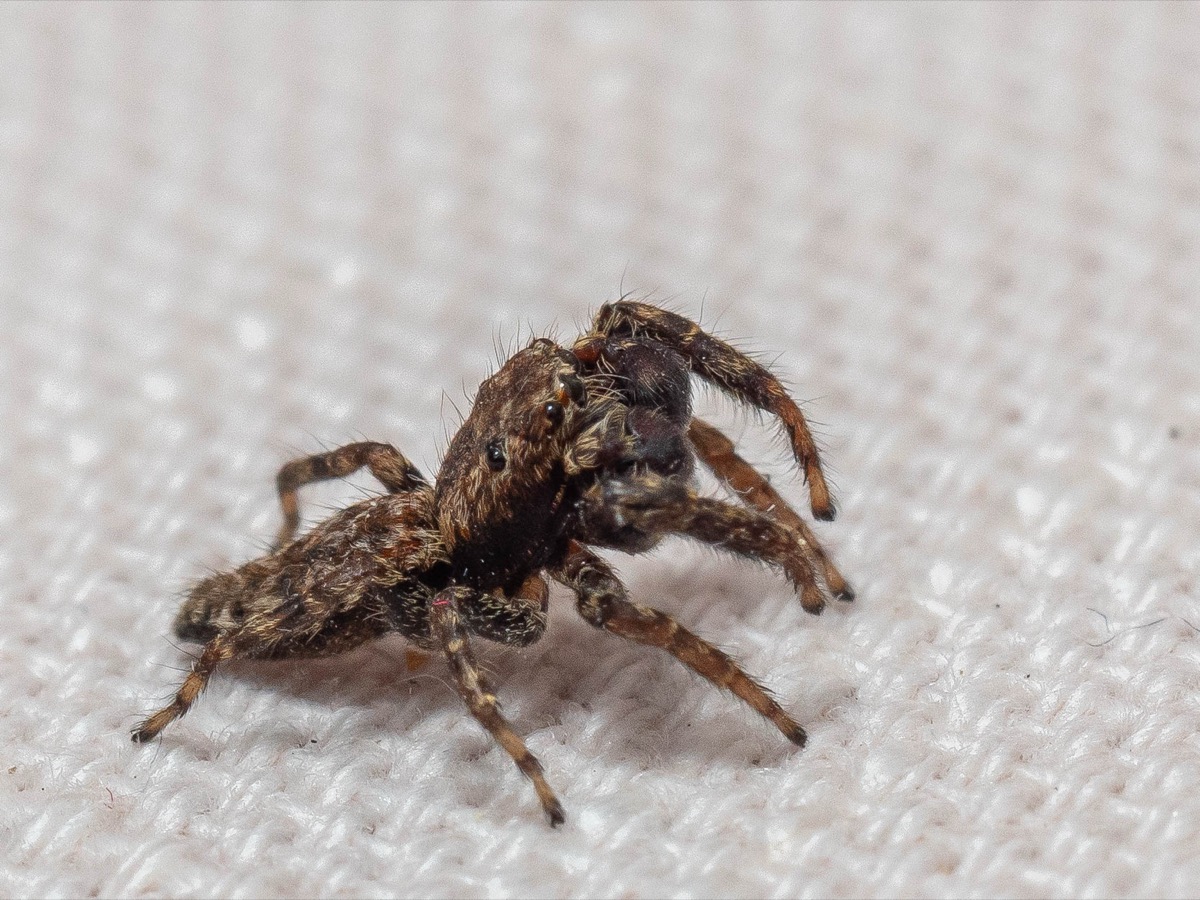
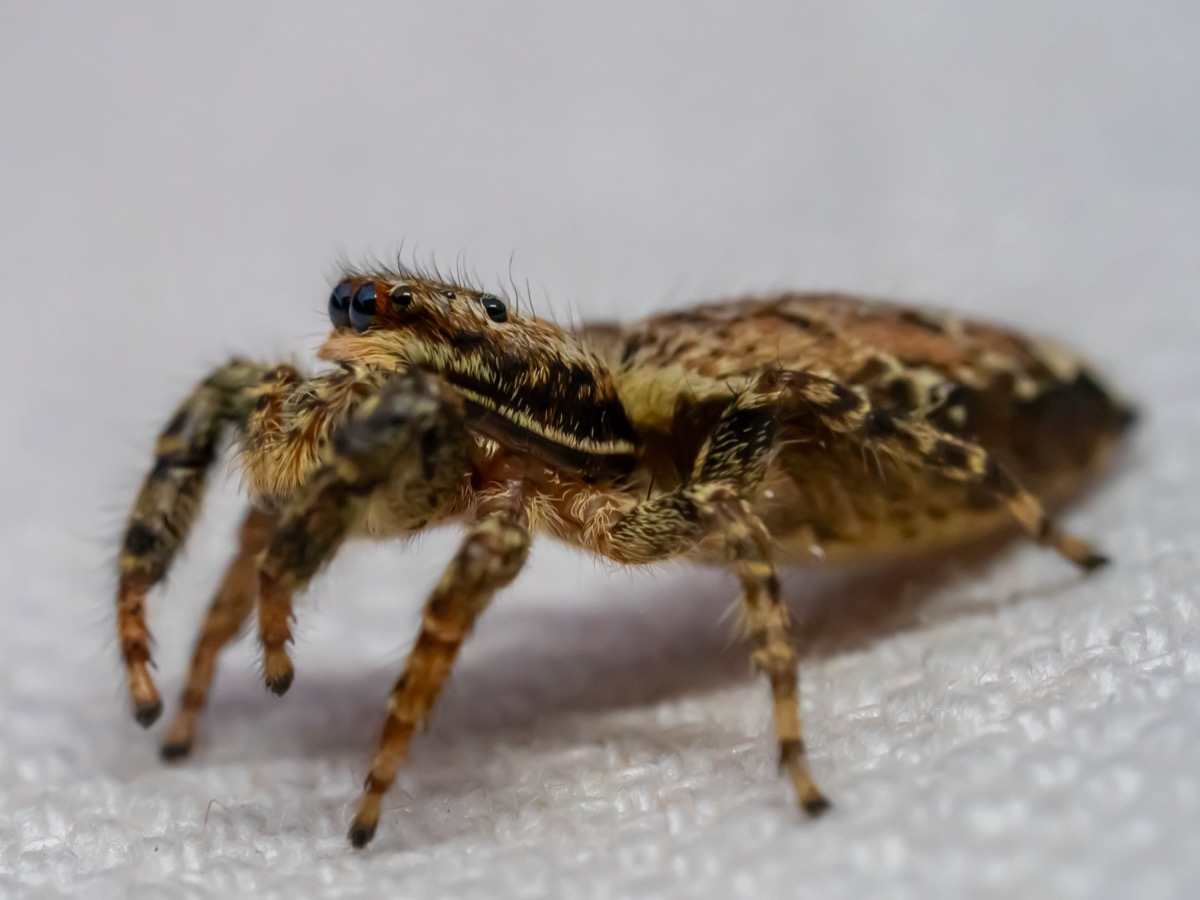
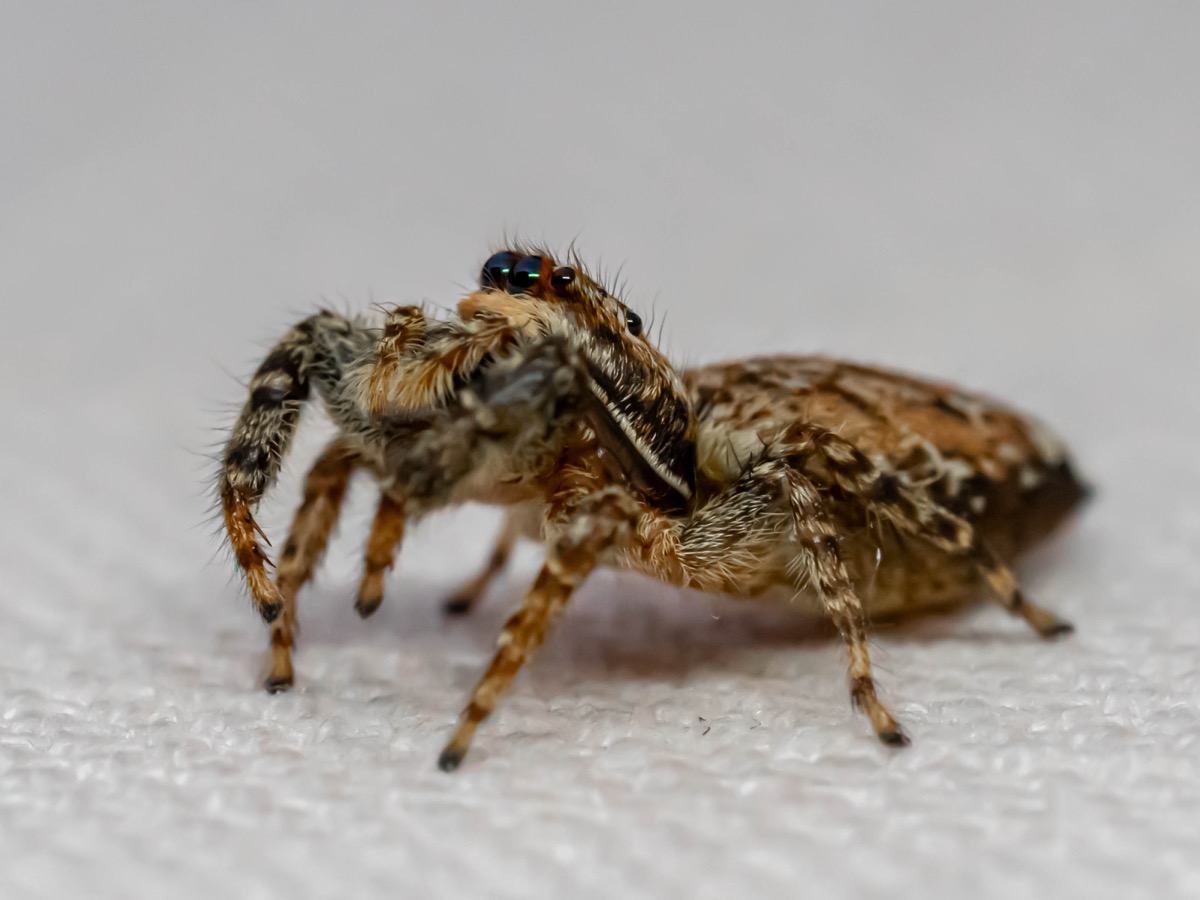
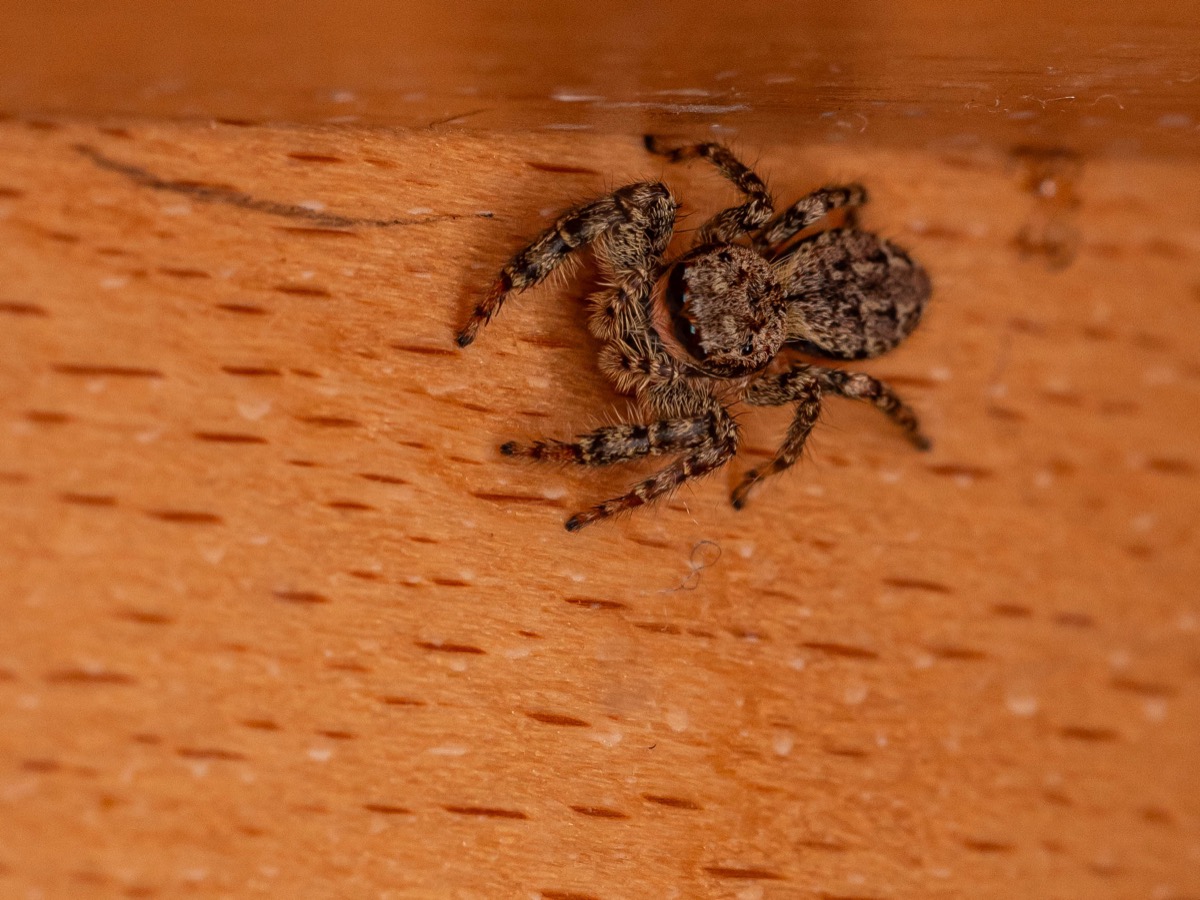
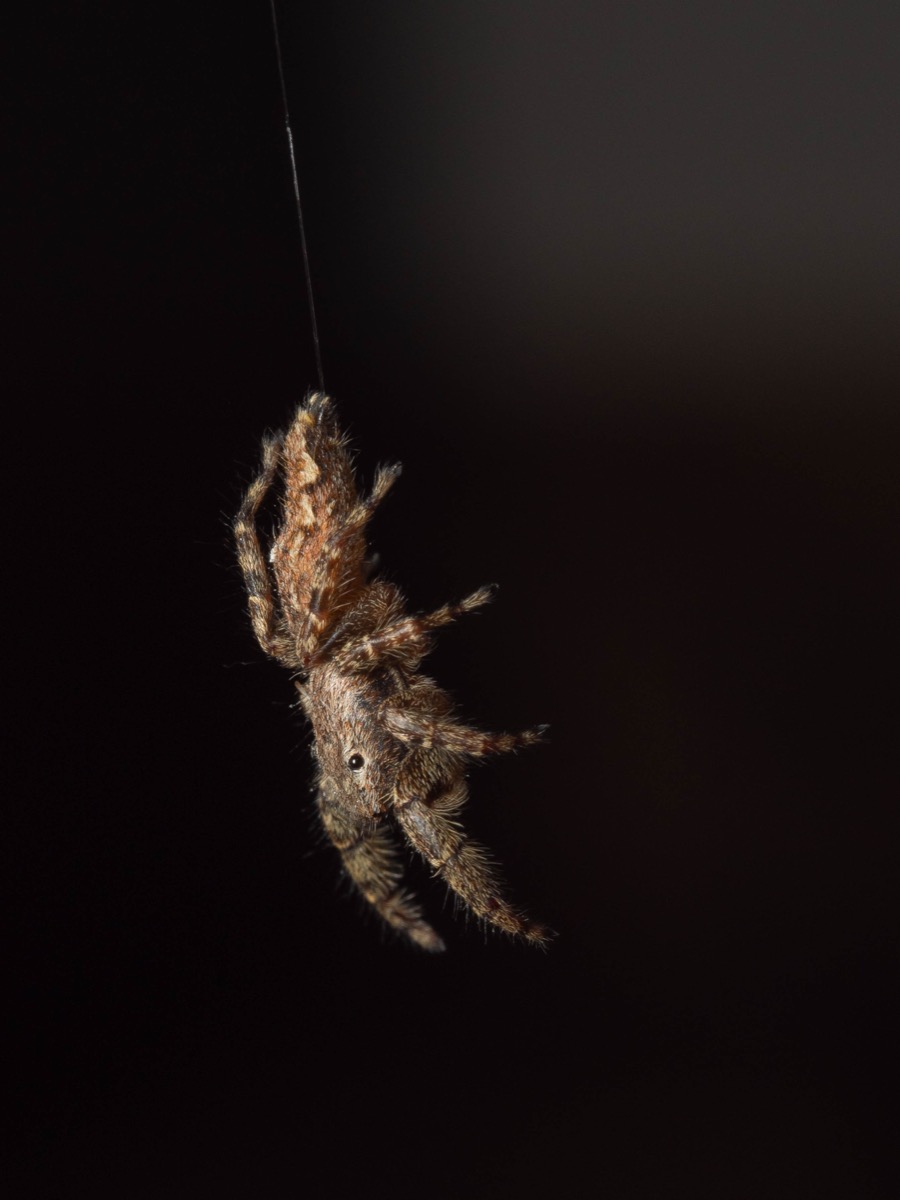
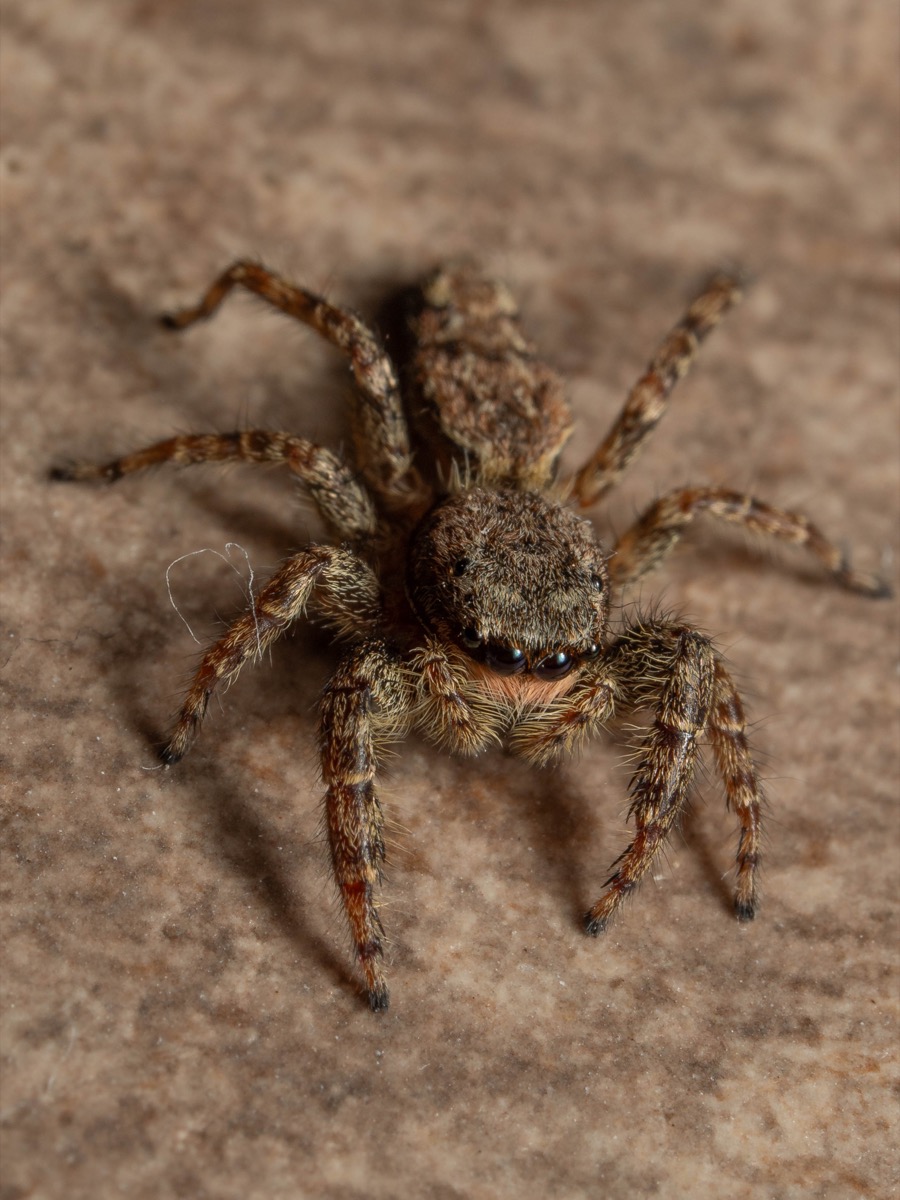
Probably the best known species is Marpissa muscosa, the Giant Jumping Spider. It mainly lives on tree bark. It is also found in houses. Females reach up to 14mm. They have an orange band under the eyes. Males are smaller.
Marpissa muscosa - Giant Jumping Spider
| Order | Aranea |
|---|---|
| Family | Salticidae |
| Genus | Marpissa |
| Species | Muscosa |
| Identifier | Clerck |
| Year identified | 1757 |
| Male size min | 6 |
| Male size max | 8.1 |
| Female size min | 7.5 |
| Female size max | 14 |
| Color | Light to dark brown |
| Prosoma/Cephalothorax | grey hairs |
| Opisthosome/Abdomen | elongated, light spots with dark edges |
| Spider legs | banded |
| Habitat | House/habitat, Forest, Bark |
| Web | does not weave webs |
| Period start | January |
| Period end | December |
| Zone | Europe |
| Particularity | orange-reddish eye band and light moustache |




References:
https://www.gbif.org/species/2168338
https://en.wikipedia.org/wiki/Marpissa_muscosa
Jessica Joachim’s Nature Notebooks
Genus Menemerus
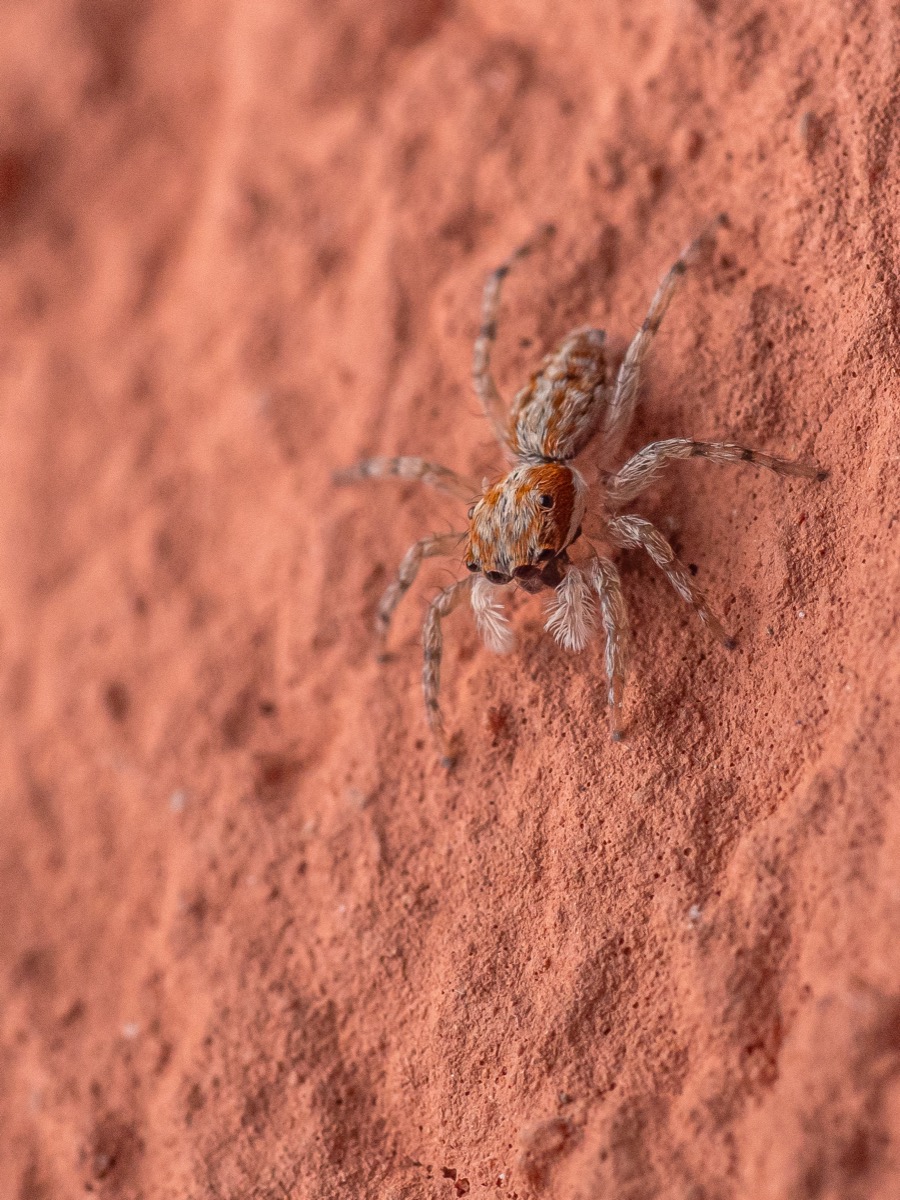
Menemerus sp
Undetermined genus. Photograph taken in Cambodia in July 2023.
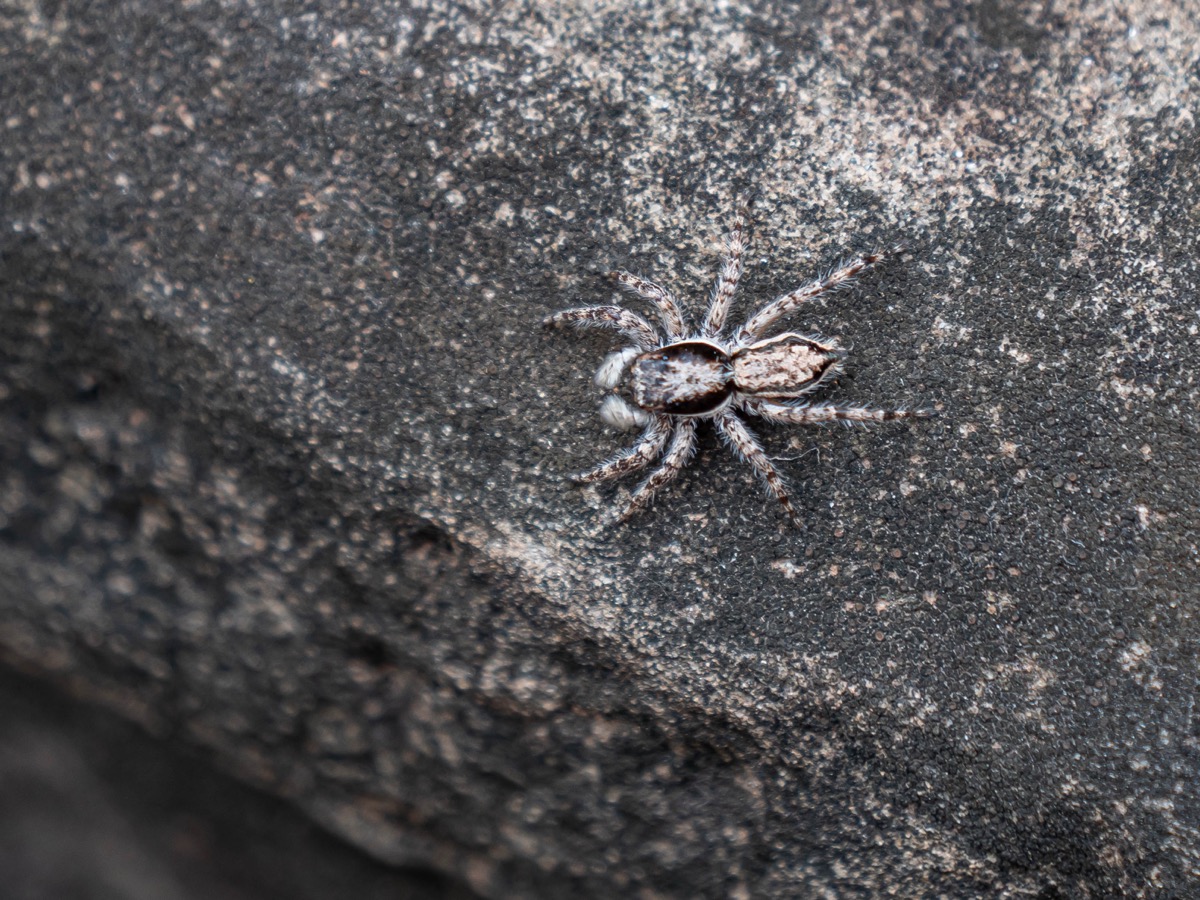
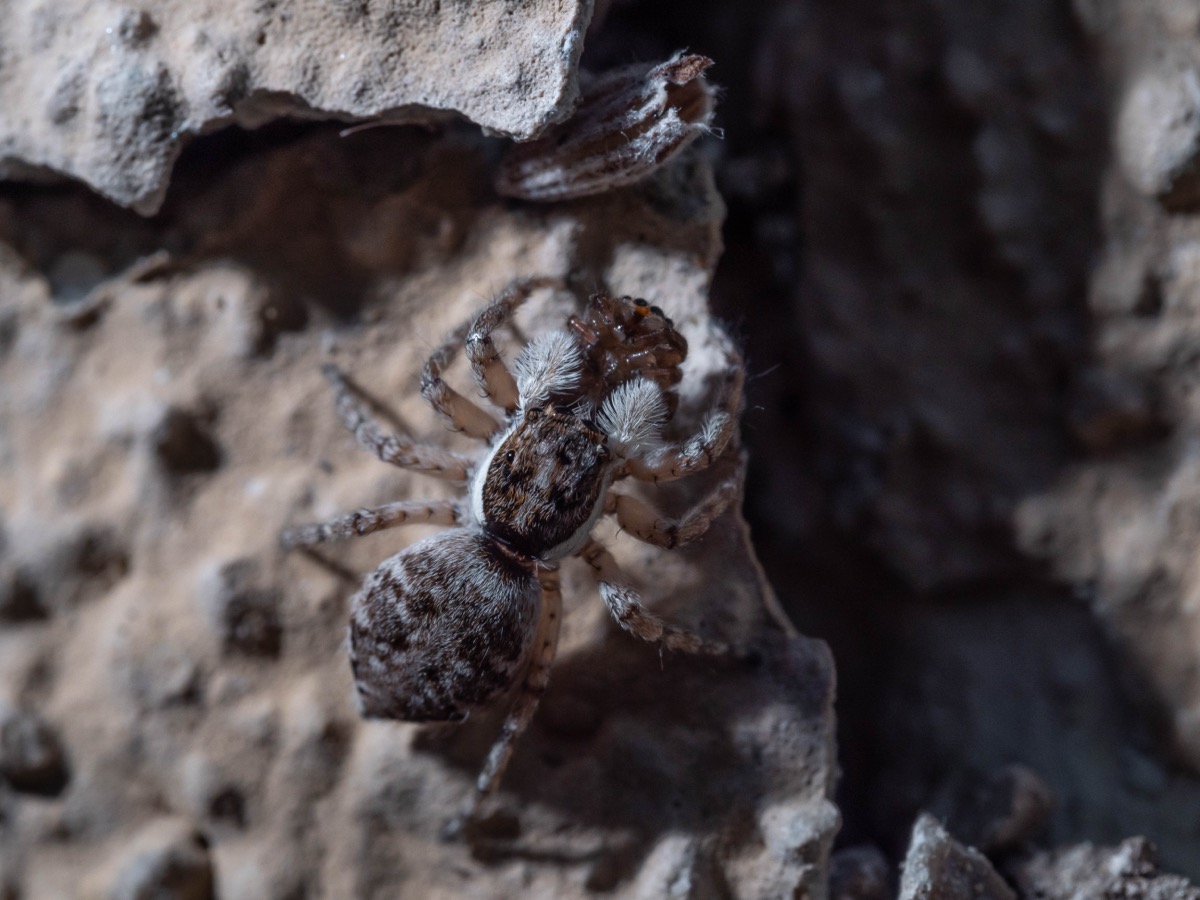
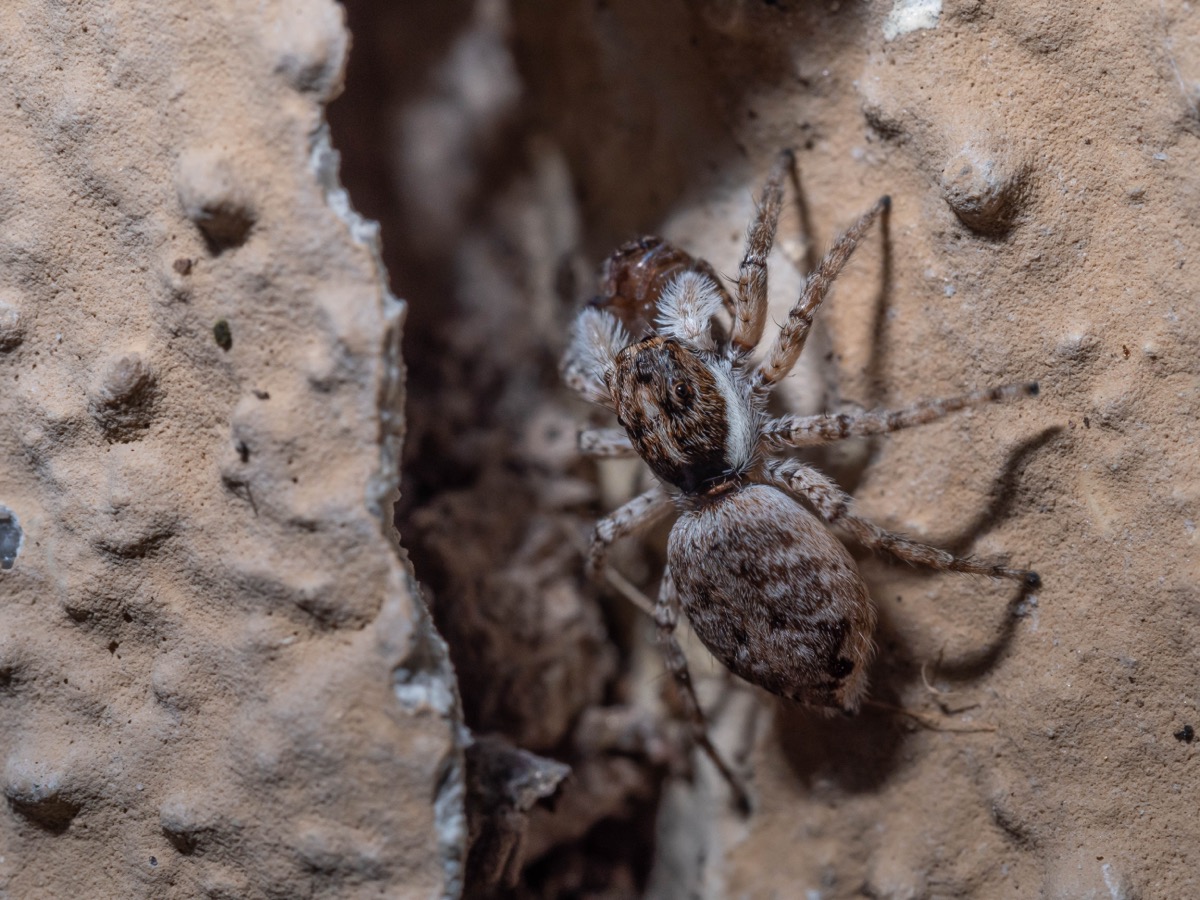
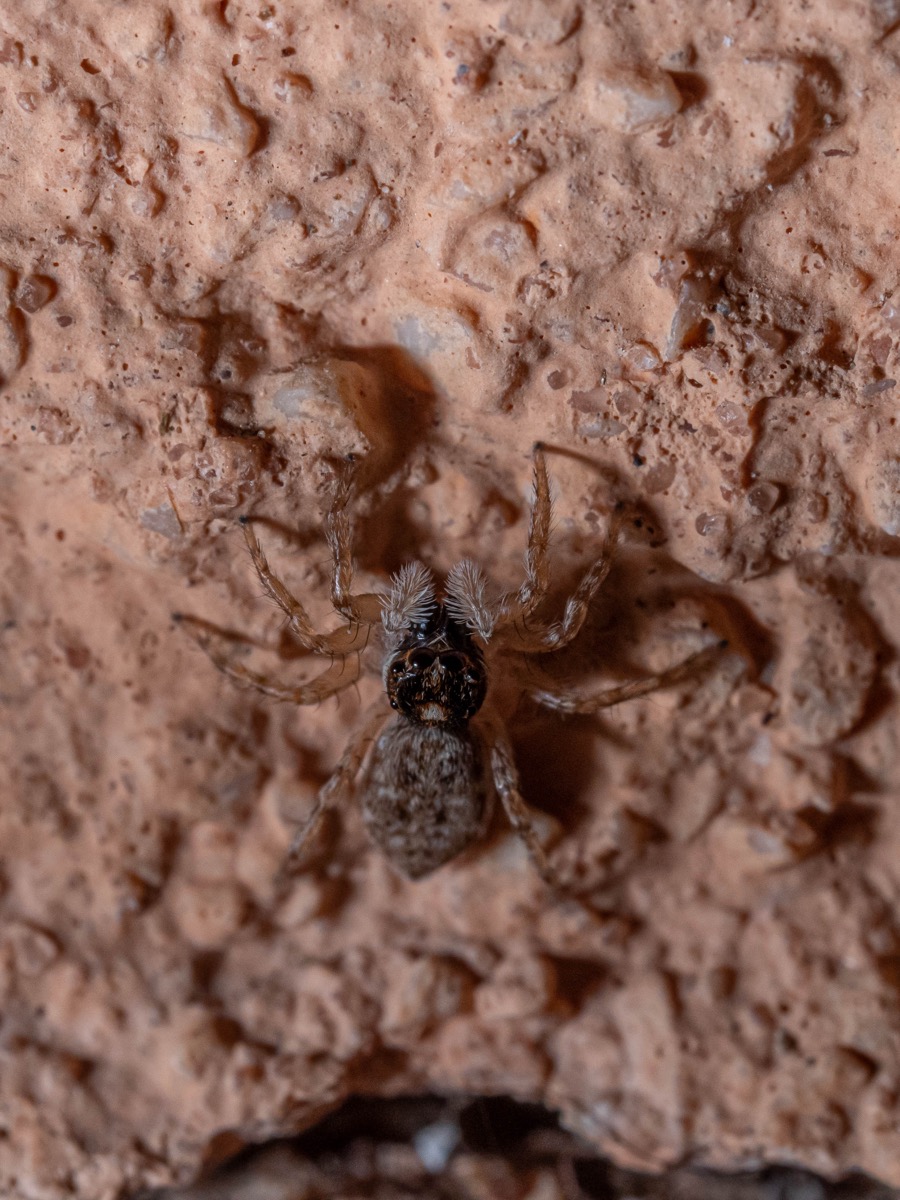
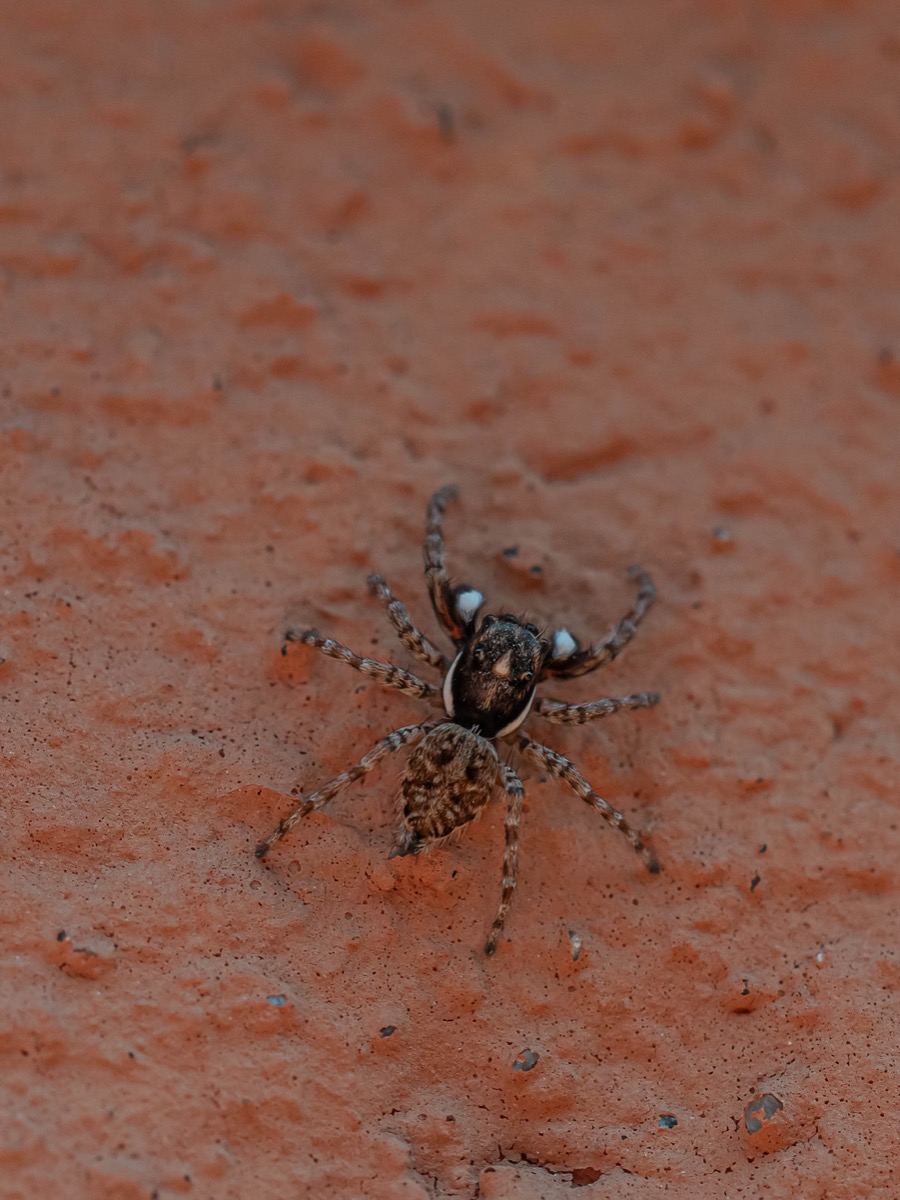
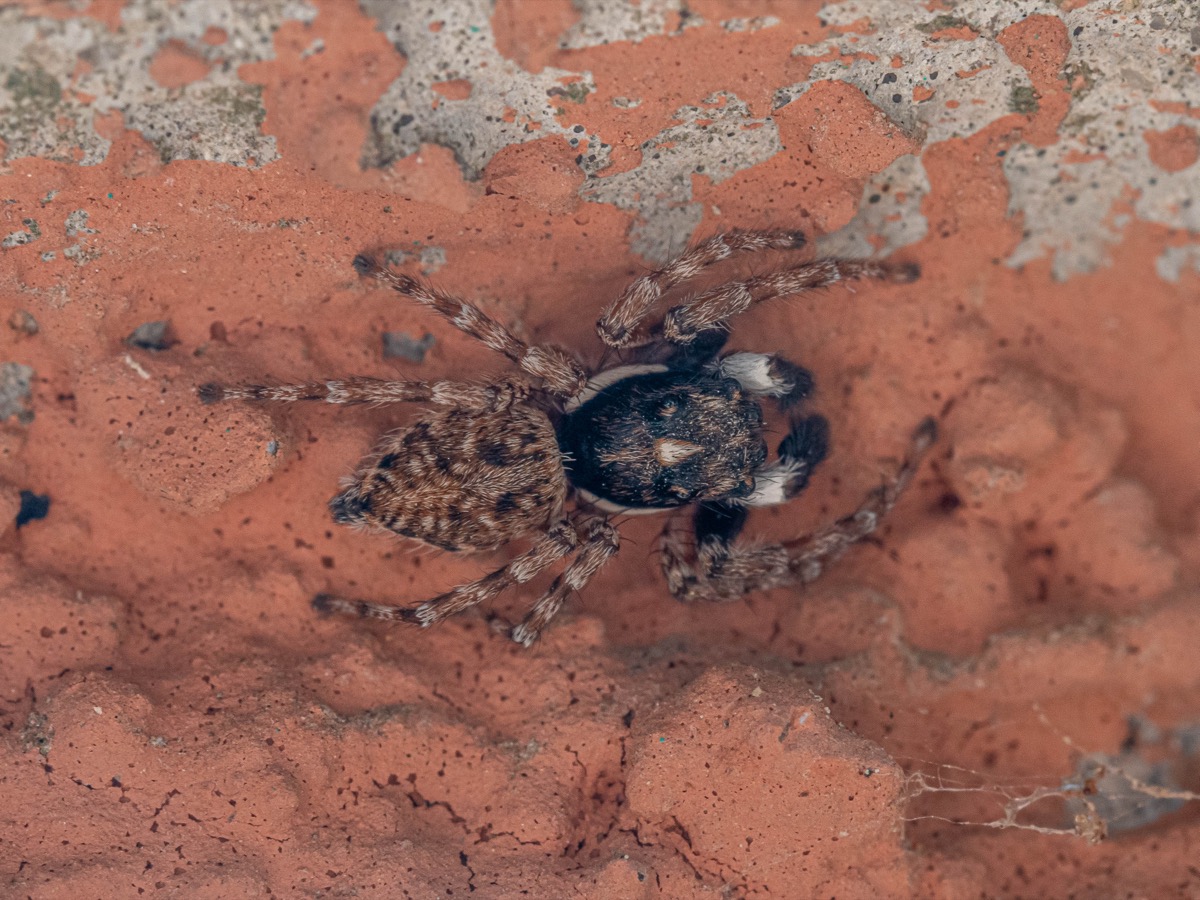
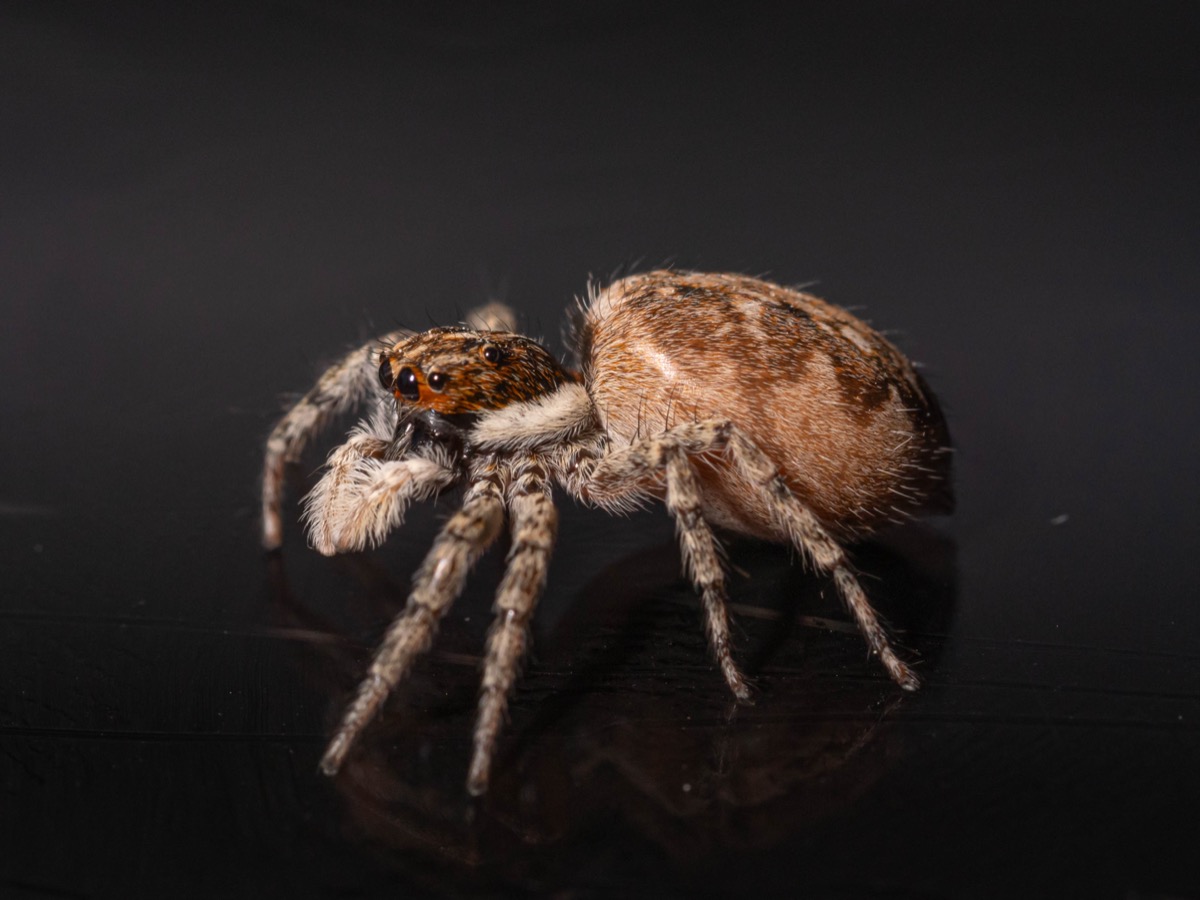
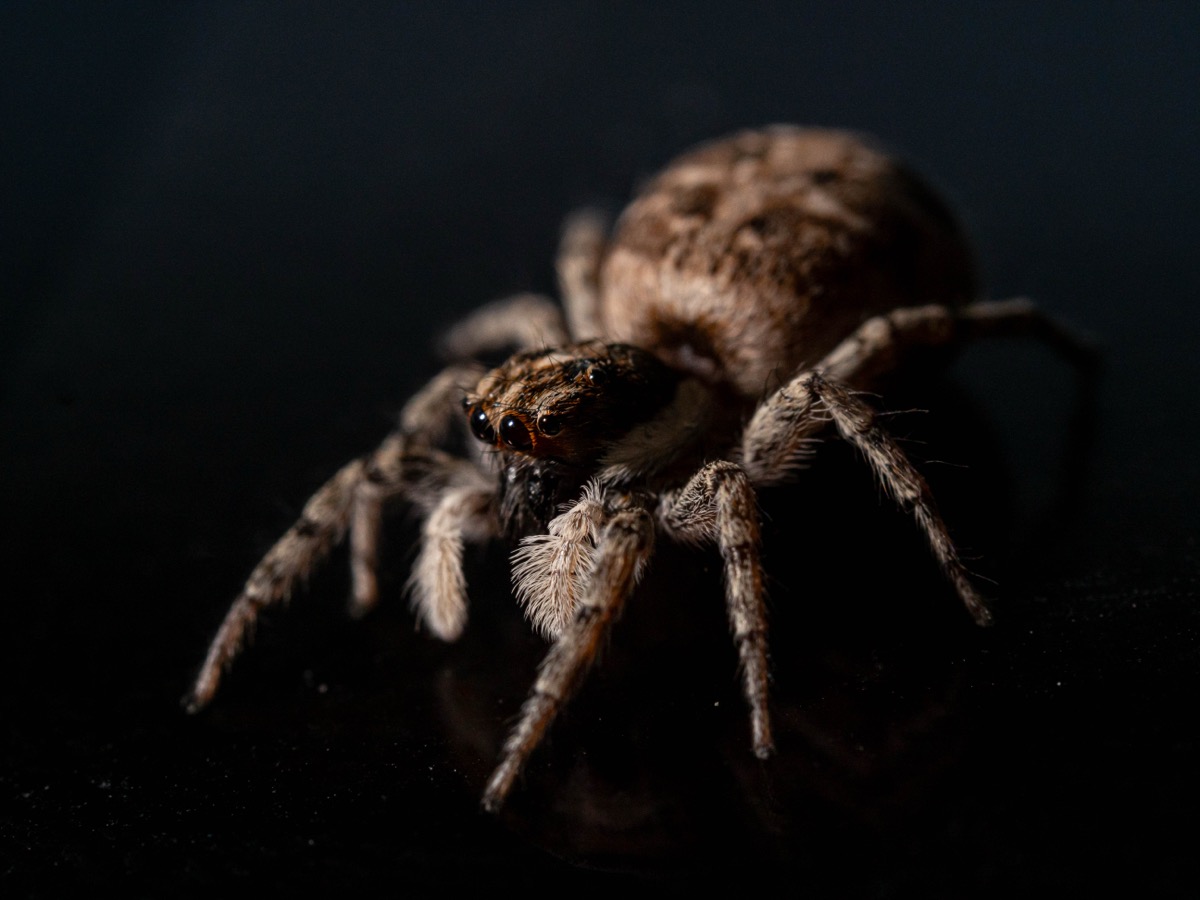
Menemerus semilimbatus – Common Jumping Spider
| Order | Aranea |
|---|---|
| Family | Salticidae |
| Genus | Menemerus |
| Species | Semilimbatus |
| Identifier | Hahn |
| Year identified | 1829 |
| Male size min | 6.5 |
| Male size max | 8.5 |
| Female size min | 8 |
| Female size max | 9 |
| Color | Gray/White |
| Prosoma/Cephalothorax | dark, white lateral margins, light center |
| Opisthosome/Abdomen | flattened, dense hairs, gray-white |
| Spider legs | light brown banded |
| Habitat | House/habitat, Rocks, Sunny and dry, Garden |
| Web | does not weave webs |
| Period start | January |
| Period end | December |
| Zone | Europe, Mediterranean Basin, South Asia, Africa |
| Particularity | light to white hairy pedipalps in female and black and white in male |
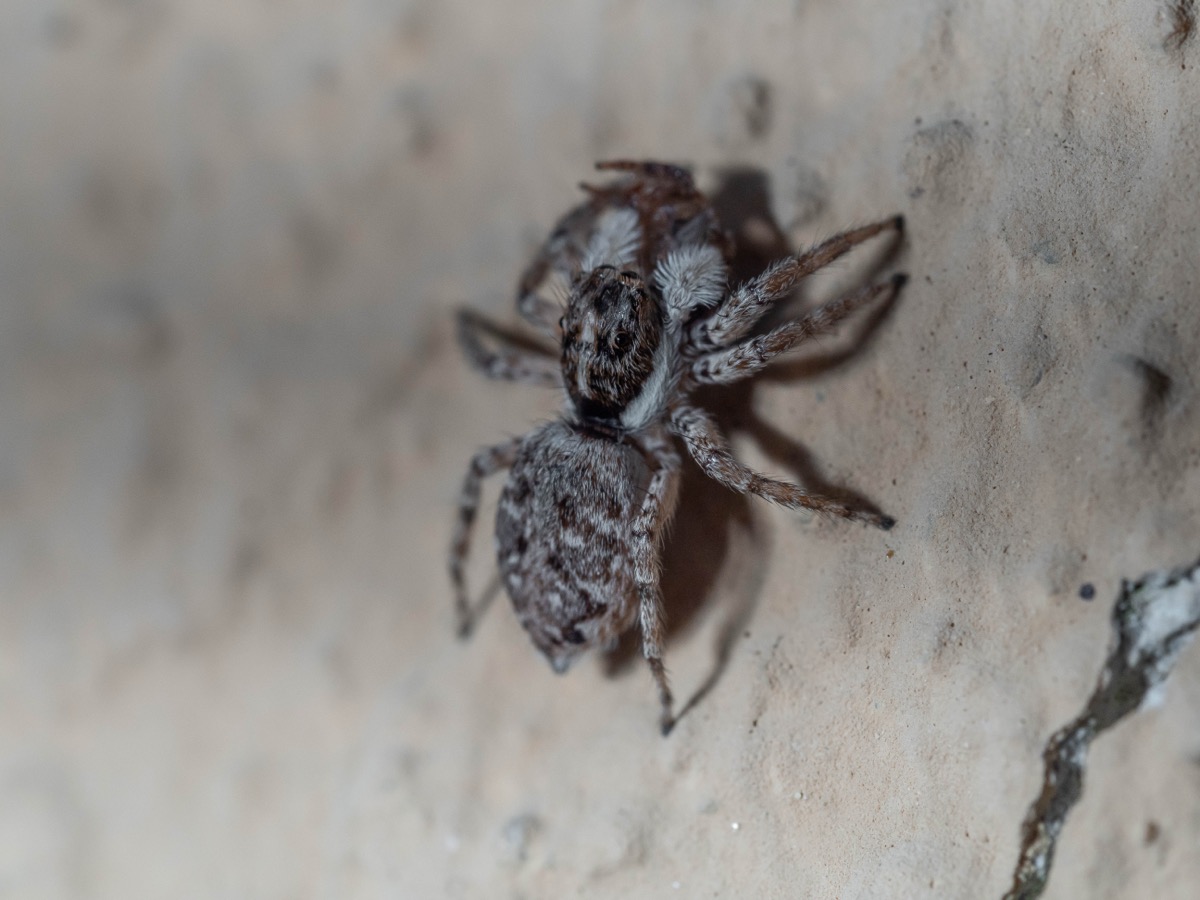
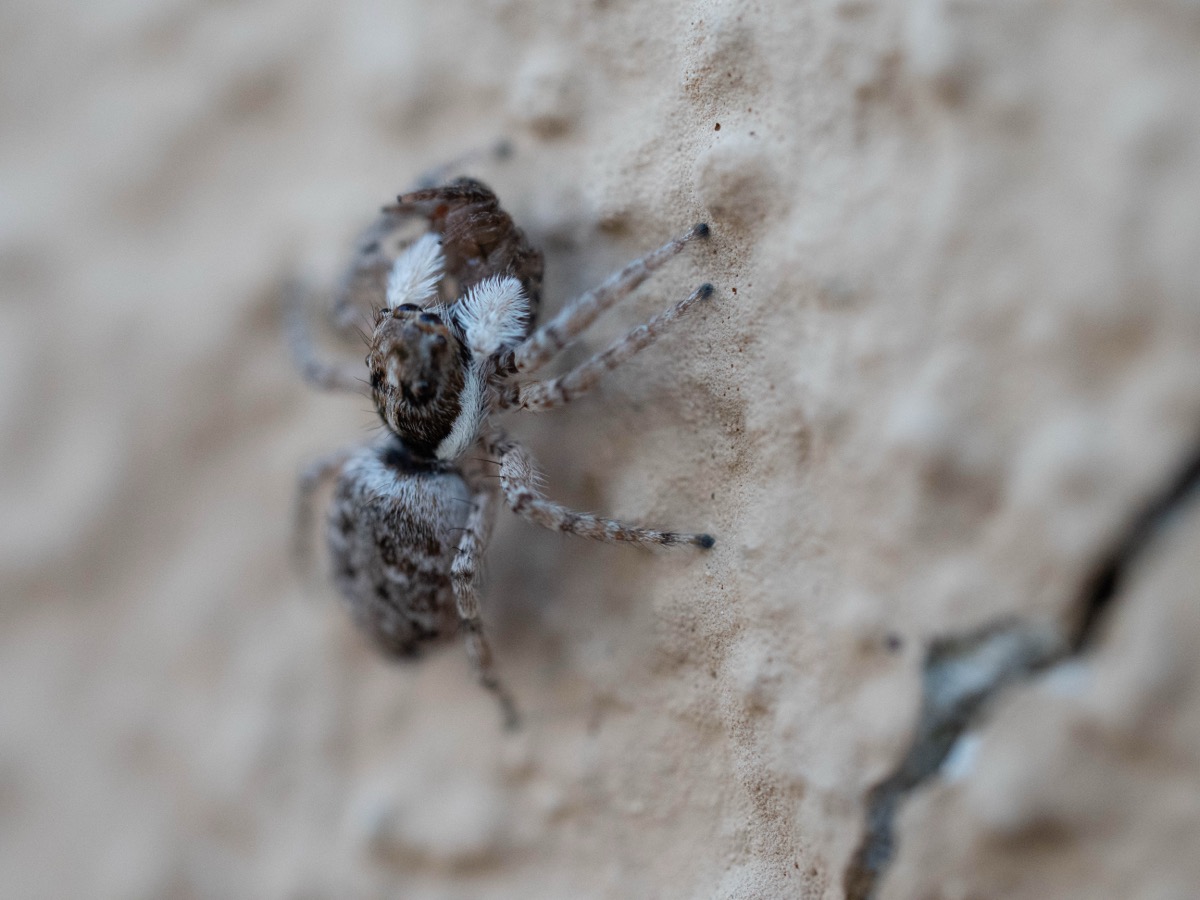
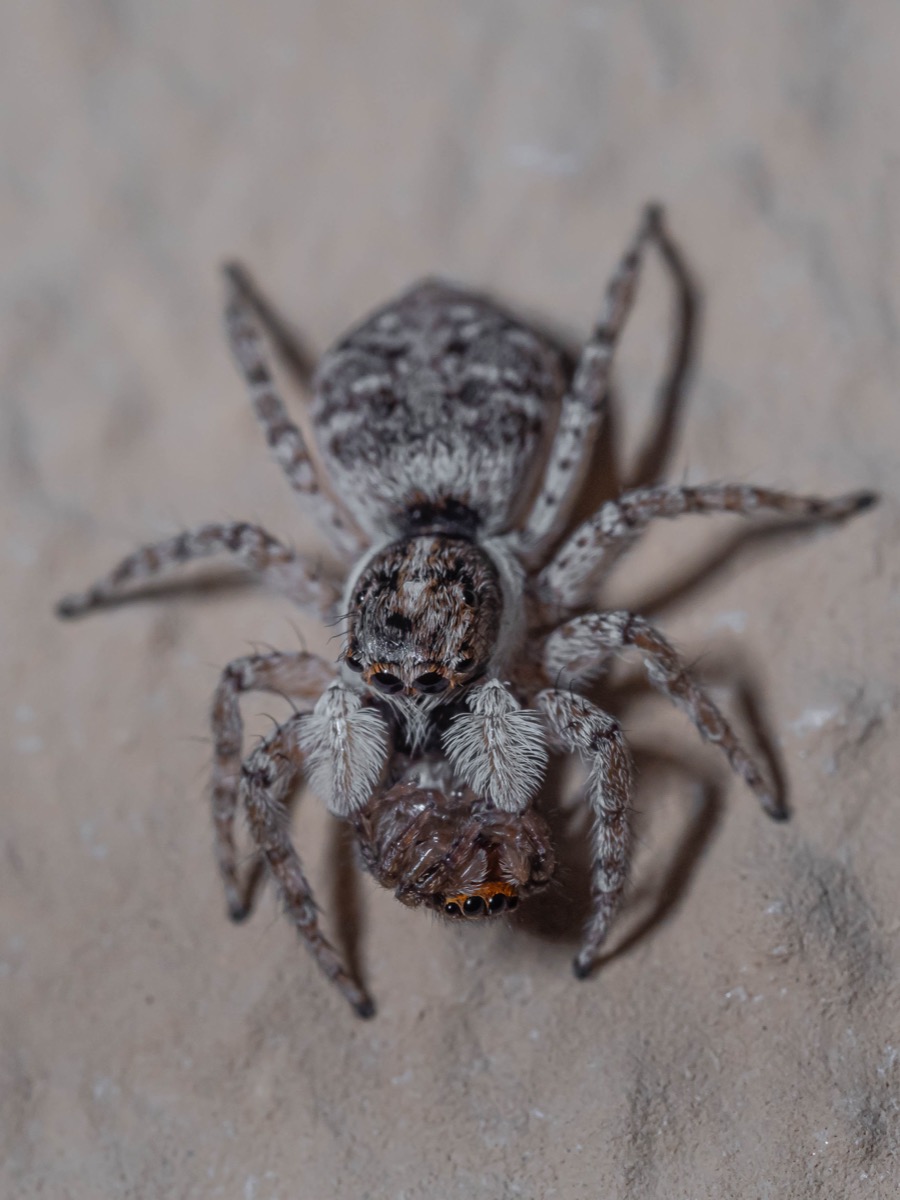
References:
https://www.gbif.org/species/2169069
https://en.wikipedia.org/wiki/Menemerus_semilimbatus
Jessica Joachim’s Nature Notebooks
Genus Pseudeuophrys
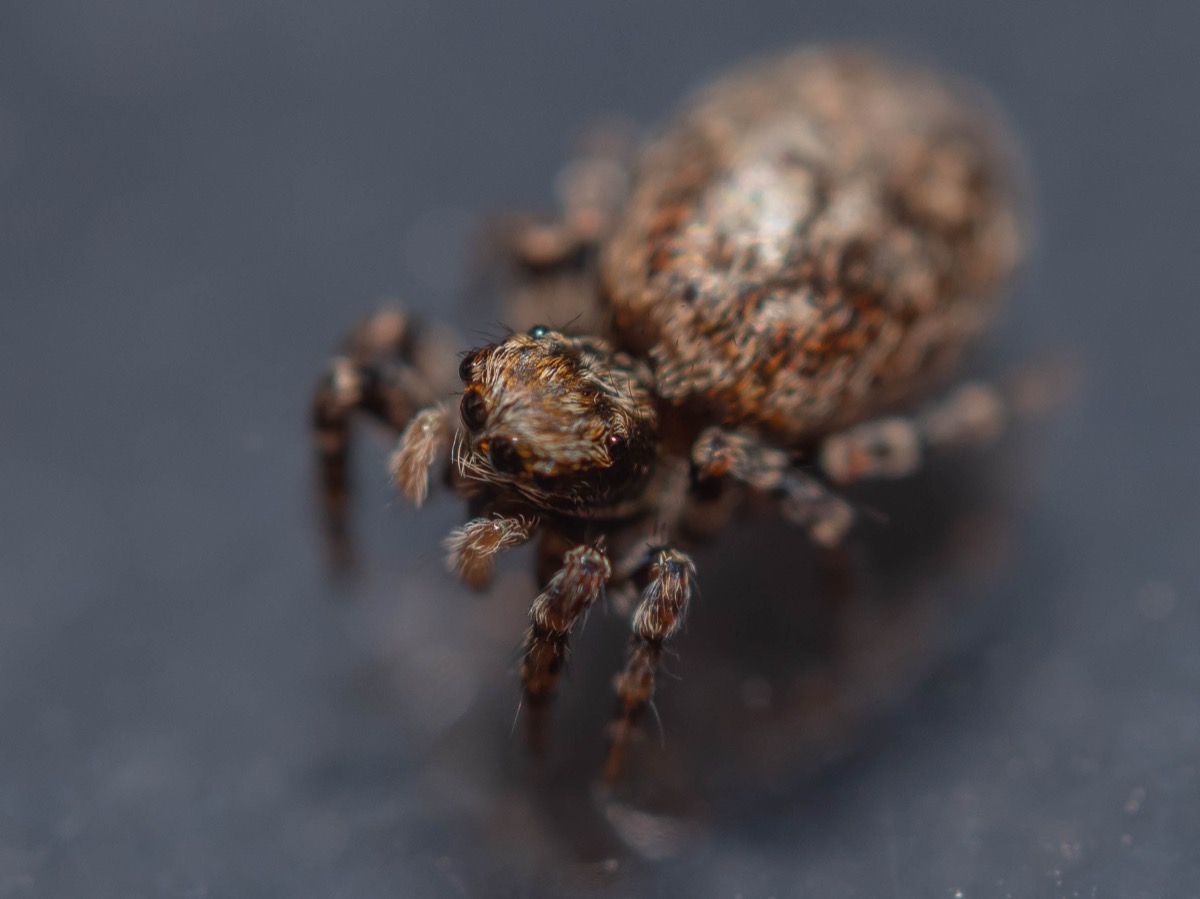
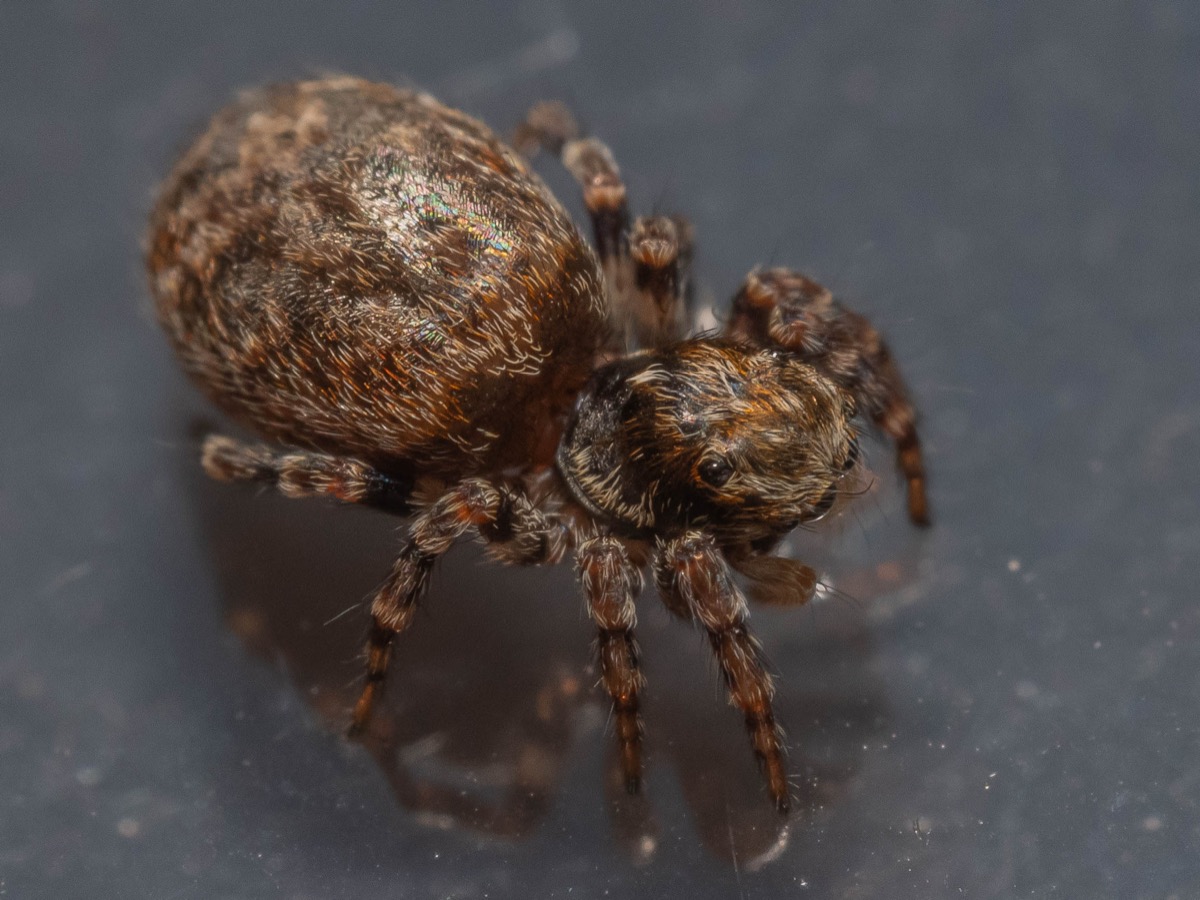
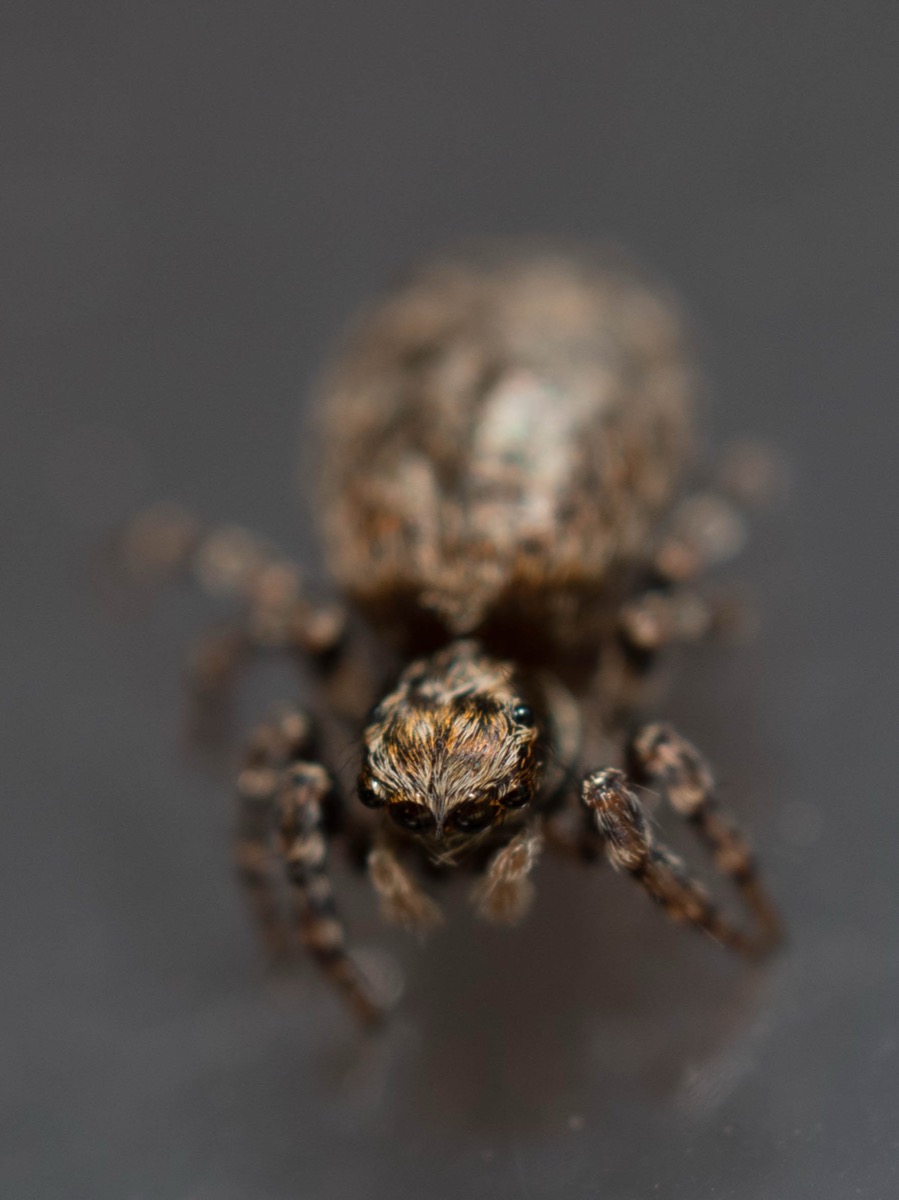
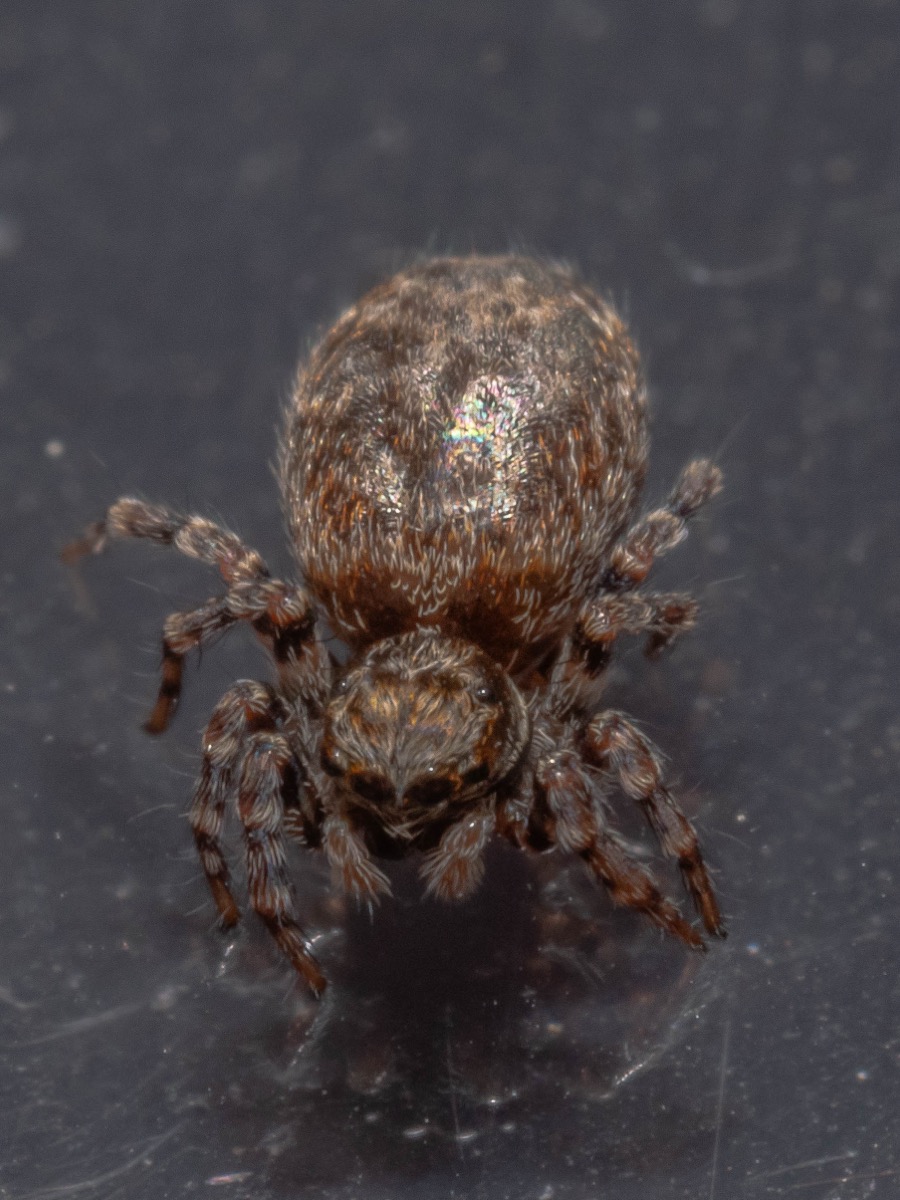
Pseudeuophrys erratica
| Order | Aranea |
|---|---|
| Family | Salticidae |
| Genus | Pseudeuophrys |
| Species | Erratica |
| Identifier | Walckenaer |
| Year identified | 1826 |
| Male size min | 3 |
| Male size max | 4 |
| Female size min | 5 |
| Female size max | 5 |
| Color | black/gray/brown/white |
| Prosoma/Cephalothorax | light band at base/black on sides in male |
| Opisthosome/Abdomen | two symmetrical light triangles |
| Spider legs | banded |
| Habitat | House/habitat, Rocks, Path edges, Bark |
| Web | does not weave webs |
| Period start | February |
| Period end | November |
| Zone | Europe, Asia, North America |
| Particularity | black, yellow, white pedipalps in male / white in female |
References:
https://www.gbif.org/species/2173232
https://en.wikipedia.org/wiki/Pseudeuophrys_erratica
Genus Rhene
Spiders of the genus Rhene generally have a flat body and a stout appearance, with four pairs of short and powerful legs. Their bodies are often decorated with vivid patterns and colors, allowing them to camouflage in their environment and blend among flowers or leaves.
The genus Rhene is widespread in various regions of the world, mainly in tropical and subtropical regions. They are found in a variety of habitats such as forests, meadows, gardens, and coastal zones. These spiders are often associated with flowering plants as they often hide on petals to surprise pollinating insects.
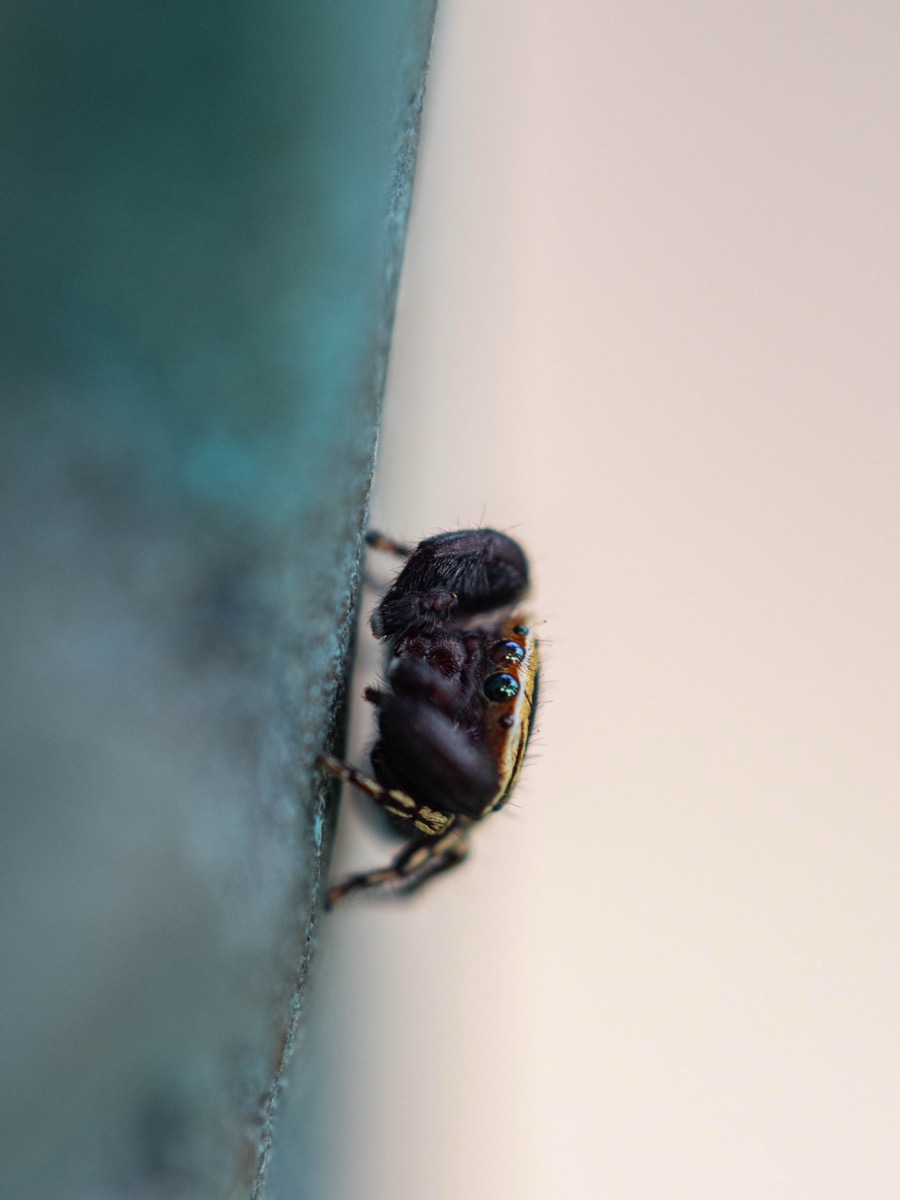
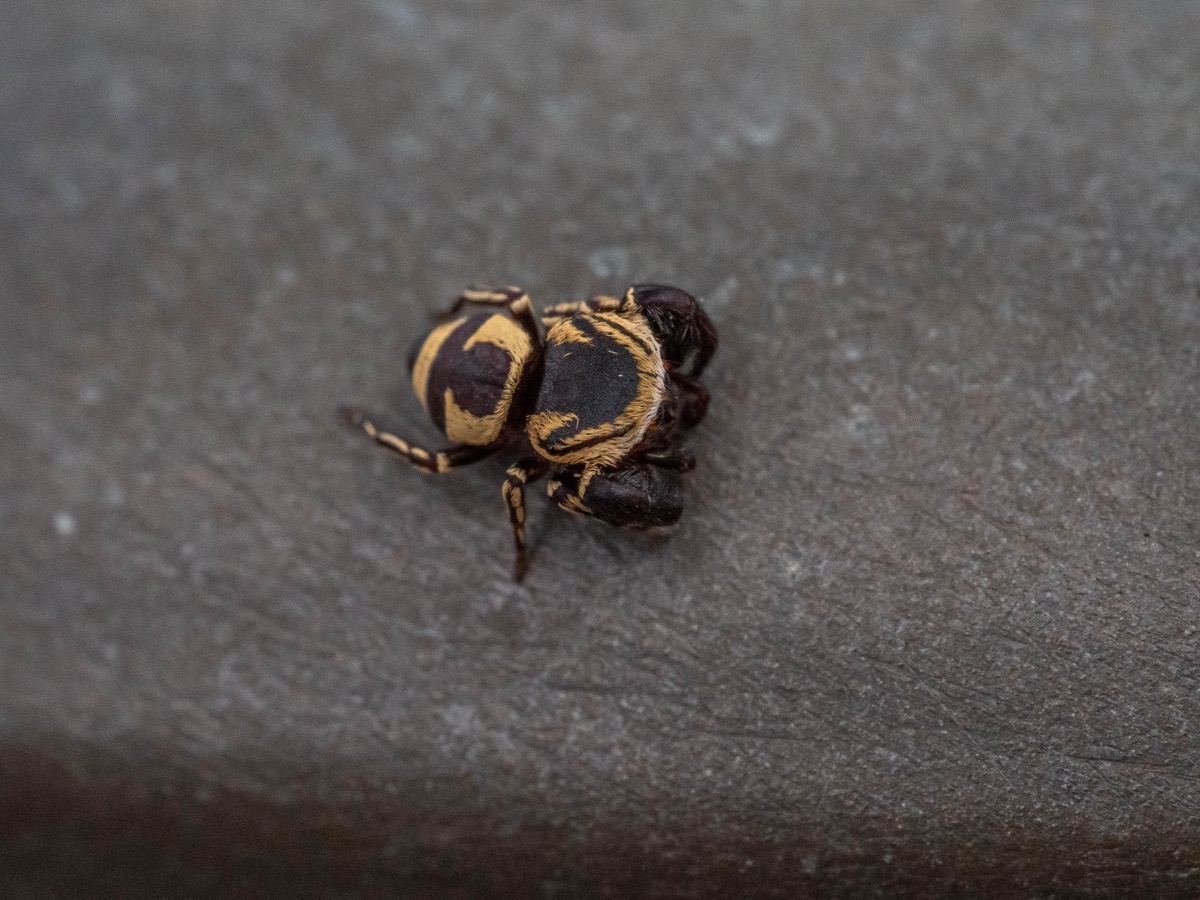
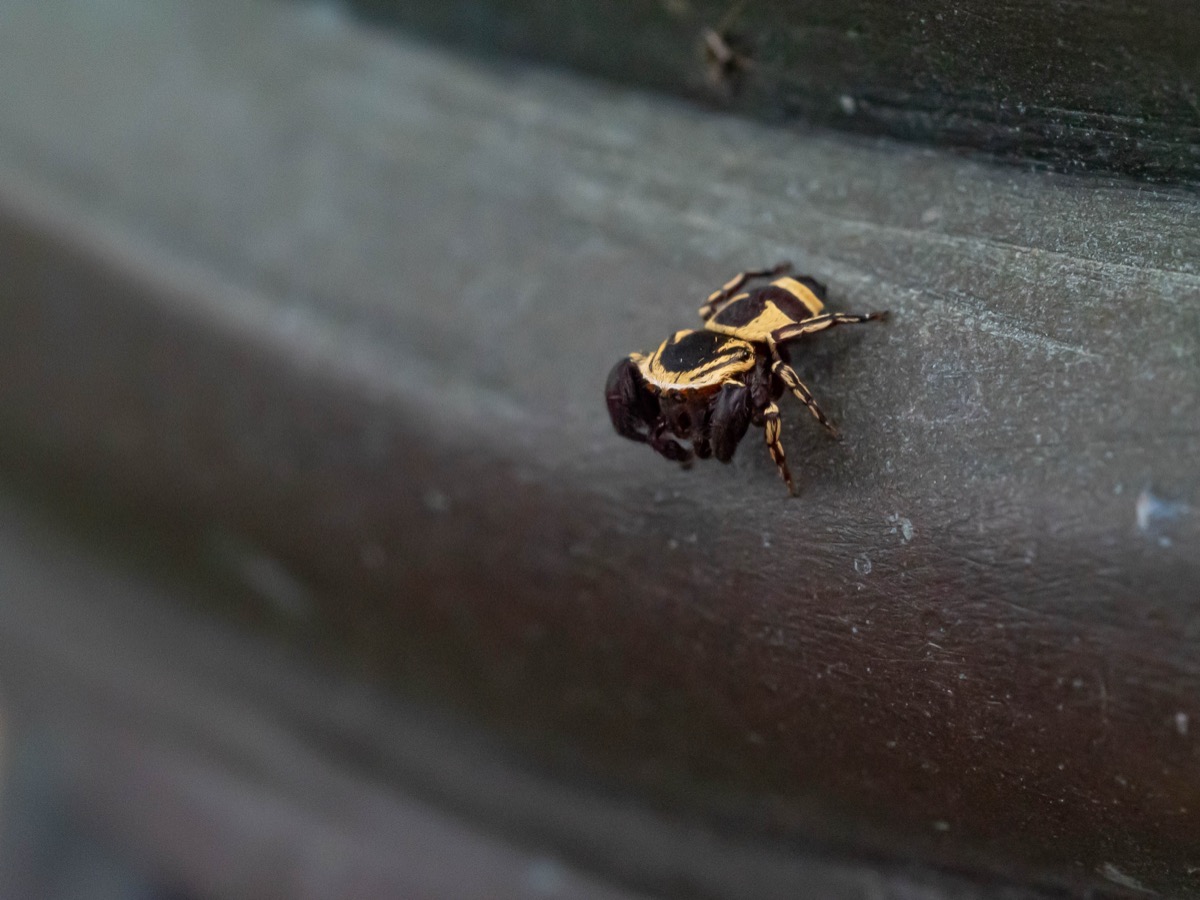
Rhene Flavicomans – Yellow-legged Crab Spider
The yellow-legged crab spider owes its name to its characteristic appearance, resembling a small crab. It has a flattened body and long legs that extend laterally, giving it a distinctive look. Its legs are often yellow, hence its common name.
| Order | Aranea |
|---|---|
| Family | Salticidae |
| Genus | Rhene |
| Species | Flavicomans |
| Identifier | Simon |
| Year identified | 1902 |
| Male size min | |
| Male size max | |
| Female size min | |
| Female size max | |
| Color | Yellow/Brown/Black |
| Prosoma/Cephalothorax | Yellow with brown pattern |
| Opisthosome/Abdomen | Yellow with brown band and spots |
| Spider legs | front legs large and thick, dark brown |
| Habitat | Forest, Bush, Path edges, Warm and humid |
| Web | does not weave webs |
| Period start | January |
| Period end | December |
| Zone | South Asia |
| Particularity | looks very much like a small crab |

References:
https://www.gbif.org/species/2170961
https://en.wikipedia.org/wiki/Rhene_flavicomans
https://wsc.nmbe.ch/species/32358
Genus Salticus
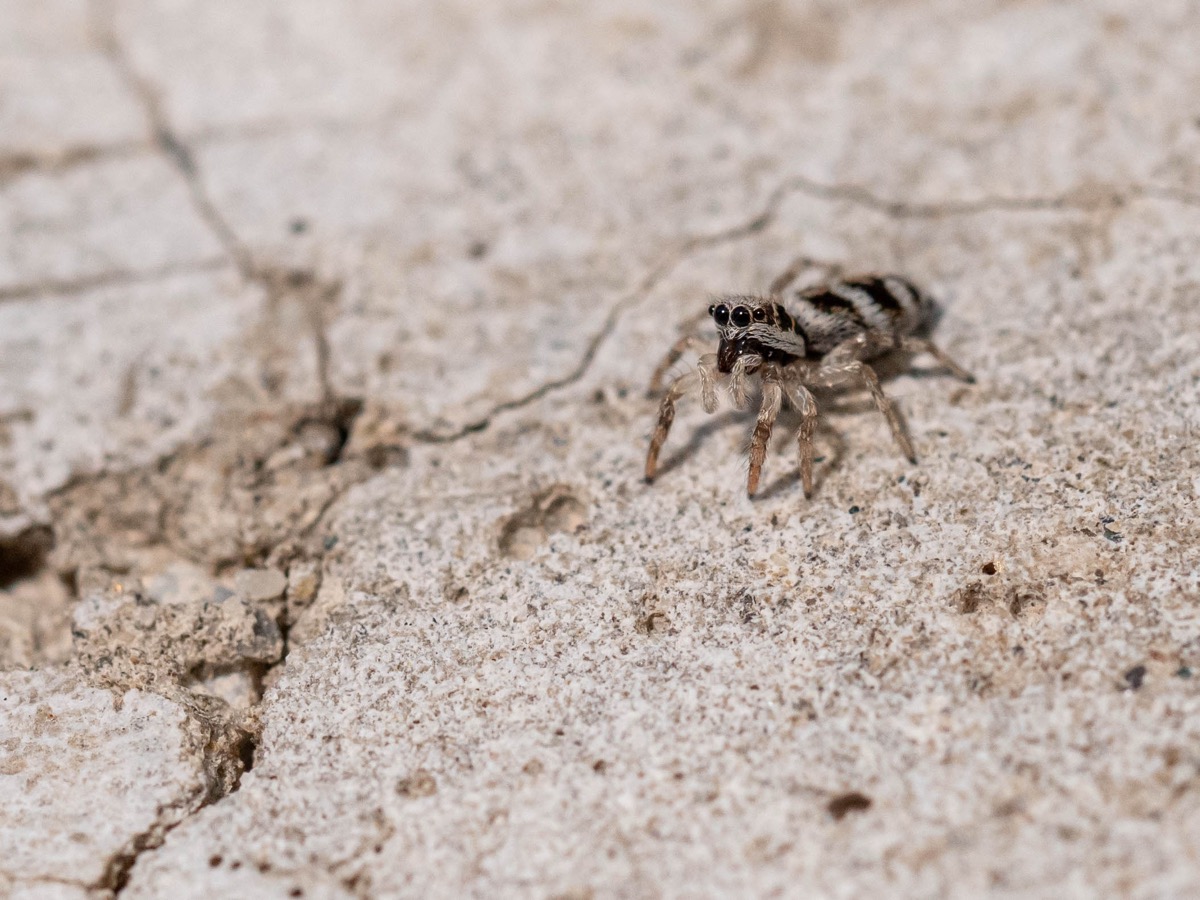
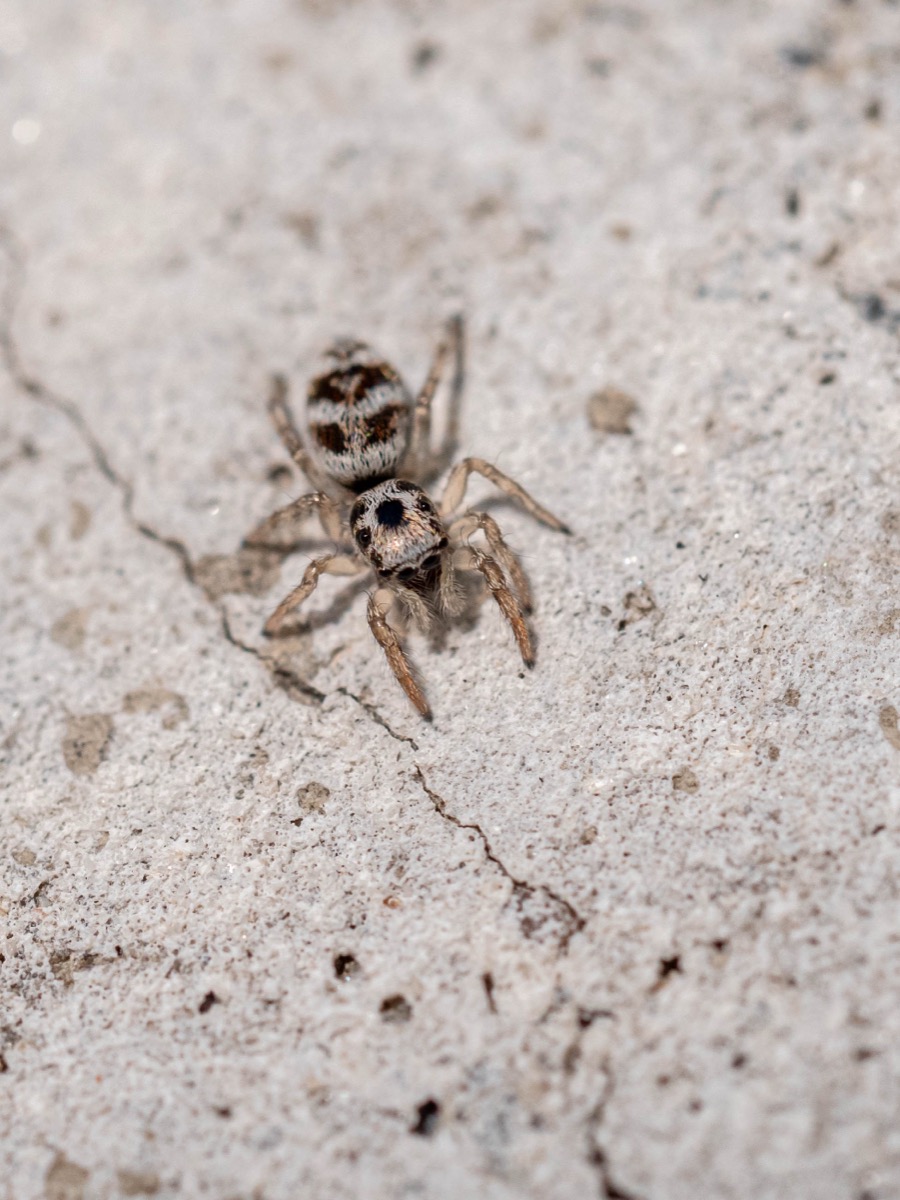
Salticus scenicus, the Zebra Jumping Spider or the Zebra Spider, likes rocky places, walls, and warm spots. Its white-gray color with black bands allows it to blend into its habitat.
Salticus scenicus – Zebra Jumping Spider
| Order | Aranea |
|---|---|
| Family | Salticidae |
| Genus | Salticus |
| Species | Scenicus |
| Identifier | Clerck |
| Year identified | 1757 |
| Male size min | 4 |
| Male size max | 7 |
| Female size min | 5.5 |
| Female size max | 7.5 |
| Color | Brown with white markings |
| Prosoma/Cephalothorax | – |
| Opisthosome/Abdomen | light and dark bands |
| Spider legs | – |
| Habitat | House/habitat, Rocks |
| Web | does not weave webs |
| Period start | March |
| Period end | October |
| Zone | Holarctic zone |
| Particularity |
References:
https://www.gbif.org/species/2172595
https://en.wikipedia.org/wiki/Salticus_scenicus
Salticinae (subfamily)
Jumping spiders of the subfamily Salticinae, Cambodia July 2023.